
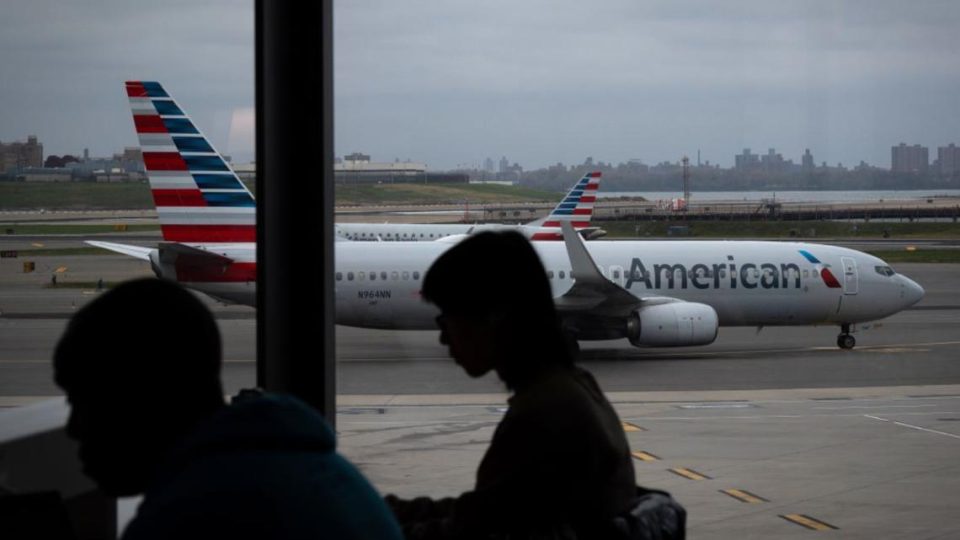
The Federal Aviation Administration (FAA) has signaled that the current 6% reduction in scheduled flights at 40 major U.S. airports will continue, as more air traffic controllers gradually return to duty but staffing levels remain below full capacity. This ongoing flight cut stems from an acute shortage of controllers, a problem that has been building for years and recently exacerbated by disruptions such as federal government shutdowns and the COVID-19 pandemic.
Since the staffing shortfall began significantly impacting operations earlier this year, the FAA has ordered airlines to reduce flights in an effort to manage air traffic safely with fewer controllers than needed. Initial plans called for flight reductions of up to 10% at some airports, but recent reports indicate that the cutbacks have stabilized at around 6% as controller attendance improves incrementally. Yet, the problem remains far from resolved, and the FAA continues to face a complex operational challenge balancing flight capacity with safety requirements.
The numbers paint a clear picture of the scale of the workforce gap. The FAA currently requires about 14,600 certified professional controllers to effectively manage the nation’s airspace. However, only roughly 10,800 controllers are actively working. This shortage leaves the agency with around 3,800 fewer controllers than necessary, forcing it to impose flight limits at critical hubs to avoid overloading the system and compromising safety.
Over the last five years, the FAA has increased hiring efforts, onboarding nearly 5,800 new controllers since 2019. It exceeded its controller recruitment goal in fiscal year 2024, adding 1,811 new hires against a target of 1,800. Yet, departures also continue at a significant pace. The agency anticipates losing nearly 1,600 controllers in 2025 due to retirements, promotions, resignations, and training attrition. Retirement eligibility for controllers is expected to rise steadily over the coming years, adding further pressure to replacement efforts.
To tackle this persistent gap, the FAA has outlined an ambitious workforce plan reaching through 2028. This plan calls for hiring nearly 9,000 new controllers by that year, with 2,000 scheduled for 2025 alone. The goal is to not only replace those leaving but to build enough staff to safely support growing demand and restore normal flight schedules. These efforts include streamlining the hiring process, expanding training programs, and deploying technology to accelerate controller proficiency.
Government involvement has been critical throughout this period, especially since many controllers are considered essential employees required to work amidst partial government shutdowns, often without immediate pay. These circumstances have impacted morale and attendance, leading to spikes in sick calls and absences that further strained an already diminished workforce. Efforts by the Department of Transportation and the FAA leadership are ongoing to stabilize the workforce, including offering retention bonuses and improving training infrastructure.
Reflecting on this situation reveals the delicate balance the FAA must maintain. On one hand, the priority remains to safeguard air travel by ensuring controllers have manageable workloads. On the other, there is pressure from industry and passengers eager to see capacity return to pre-shortage levels. Navigating this tightrope means flight reductions are likely to persist as the FAA rebuilds its ranks gradually, avoiding rushed staffing that could jeopardize safety.
The ongoing 6% flight cuts at many U.S. airports underscore the operational and regulatory challenges facing the FAA. While the agency’s hiring and training initiatives are steps in the right direction, restoring the air traffic control workforce to full strength will take time. The public and industry alike must recognize that safety cannot be compromised in the quest for operational normalization, even as the skies slowly clear and controllers return to their vital roles.
