The Federal Reserve left its key interest rate unchanged this week, keeping the target range at 4.25% to 4.5%, where it has sat since December. While this decision was widely anticipated, the details from the Federal Open Market Committee (FOMC) meeting and the updated economic projections offer a nuanced view of where the U.S. economy and monetary policy might be heading next.
The central bank’s latest projections show that inflation is proving to be stickier than previously hoped. The Fed now expects its preferred inflation gauge, the core personal consumption expenditures (PCE) price index, to rise at a 3.1% pace this year. That’s up from the 2.8% estimate made just three months ago and well above the Fed’s 2% target.
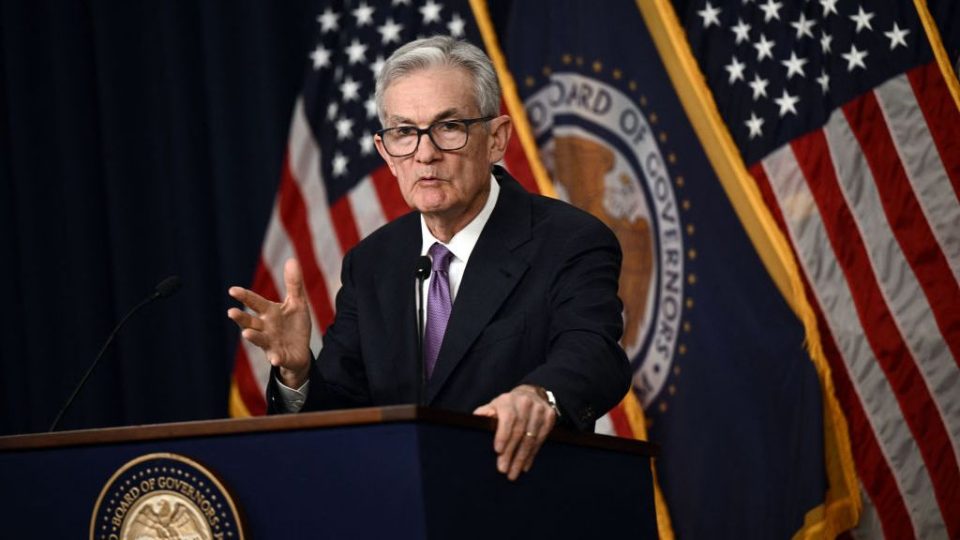
Fed Chair Jerome Powell pointed to tariffs and ongoing geopolitical tensions as key drivers behind the uptick in inflation expectations. “Recent months have seen a rise in near-term inflation expectations, as evidenced by both market and survey-based metrics. Survey respondents, including consumers, businesses, and professional forecasters, attribute this to tariffs,” Powell said during the press conference.
Alongside the inflation forecast, the Fed trimmed its expectations for economic growth. Officials now see U.S. gross domestic product (GDP) expanding just 1.4% in 2025, down from the 1.7% growth rate projected in March. This aligns with a broader sense that the economy is losing some steam, with recent data showing softer retail sales and a slight uptick in the Consumer Price Index after several months of declines.
Labor market conditions remain relatively solid, but there are hints that momentum could be fading. The FOMC statement acknowledged that “uncertainty about the economic outlook has diminished but remains elevated”.
Despite the stubborn inflation and slowing growth, the Fed’s closely watched “dot plot” still points to two rate cuts before the end of the year. This is unchanged from the previous quarter’s projections, suggesting that policymakers are maintaining a cautious approach as they wait for clearer signs that inflation is cooling.
The FOMC emphasized that it will continue to monitor a wide range of data, including labor market conditions, inflation pressures, and international developments, before making any moves. “The committee would be prepared to adjust the stance of monetary policy as appropriate if risks emerge that could impede the attainment of the committee’s goals,” the statement read.
The Fed’s decision to hold rates steady while signaling potential cuts later in the year creates a climate of watchful waiting. The central bank is clearly concerned about the possibility of both persistent inflation and weaker growth, and it wants more evidence before making any big moves.
The policy rate affects everything from borrowing costs to consumer loans and mortgage rates. With the Fed holding steady for now, markets are left parsing every word from Powell and the FOMC for clues about when the first cut might actually arrive.
In the months ahead, the interplay between inflation, growth, and global risks will remain front and center. The Fed’s cautious stance reflects the complexity of the current environment, with tariffs, energy prices, and geopolitical instability all playing a role. For now, the message is clear: the central bank is taking its time, watching the data, and not rushing to change course.