
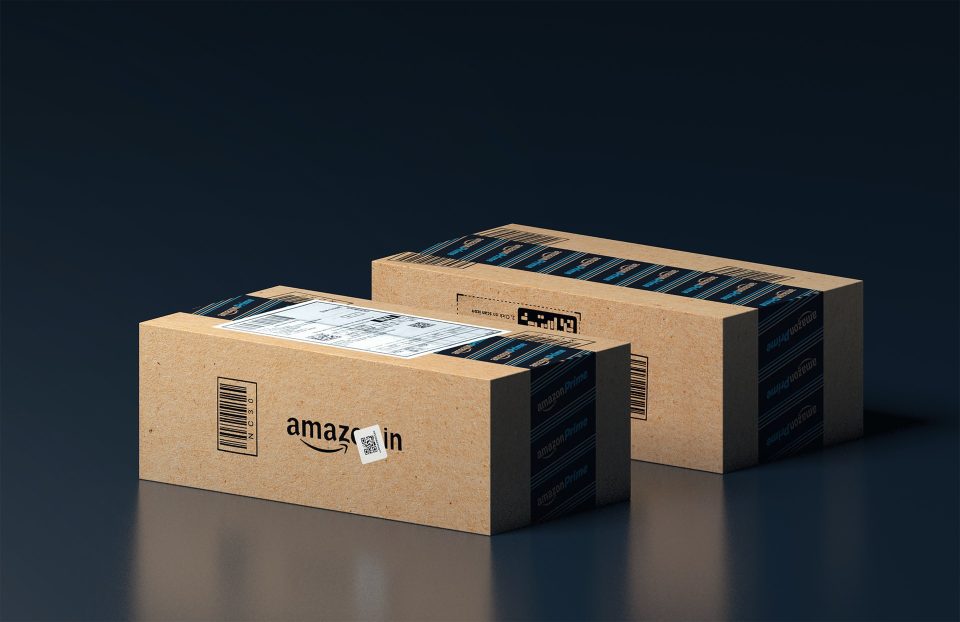
Most of us have returned something to an online retailer at least once, maybe twice, or maybe more if your living room doubles as a try-on studio. In Amazon’s (NASDAQ: AMZN) business, the returns process is not just a matter of logistics or customer goodwill, but a never-ending game of cat and mouse with scam artists who try to take advantage of the system. Now, the tech giant is putting some serious muscle into a startup that claims it can tackle one of retail’s slipperiest problems using cutting-edge technology.
Cambridge Terahertz, not exactly a household name but suddenly grabbing attention, is the startup at the center of this effort. The company just wrapped up a $12 million seed funding round, and what really matters is that Amazon, through its one billion dollar Industrial Innovation Fund, is one of the backers. In tech world signals, this is the kind of endorsement that makes boardrooms and venture capitalists pay attention, especially since Amazon is probably facing return fraud at a scale no one else does.
If you have never worked a returns desk, here is what is going on: A shopper says an item did not work out, prints a return label, and sends a box back. The box, in more cases than most people realize, contains anything but the original goods, ranging from bricks to junk or is sometimes empty. In traditional manual and even semi-automated systems, it is remarkably easy for fakes and frauds to slip through. For a business of Amazon’s size, this siphons away not just revenue, but trust.
This is where Cambridge Terahertz steps in with a 3D imaging technology that is more Star Trek than shipping department. Their devices deploy high resolution 3D imaging radar to scan through boxes and other non-conductive materials, giving workers a look at what is inside packages without opening them. The idea is that they can instantly verify if the returned item matches the product Amazon originally shipped, flagging suspicious returns before they make their way back into inventory.
This technology is not just theory; Cambridge Terahertz’s approach is already making waves in the world of security as well as logistics. Their terahertz imaging, which operates in a frequency range beyond regular X-rays, allows for safe, non-destructive peeking into parcels. This process does not involve harmful radiation, and the 3D images it generates represent a leap ahead of the outdated flat 2D scans still used in many screening systems.
Amazon’s interest is easy to explain. The company has built its entire reputation on speed, reliability, and the idea that you can get your money back if something is not right. However, as online retail grows and shoppers grow more comfortable with free returns, the dark side is a thriving ecosystem of fraudulent returns. These range from outright theft, like shipping back an empty box, to more creative violations, such as sending a convincing but fake item in place of the real one.
The numbers behind it are big, though Amazon and rivals tend to be vague about specifics for obvious reasons. Industry analysts estimate that return fraud costs American retailers billions of dollars each year. For Amazon, anything that makes a dent in that number can pay for itself many times over, and if the solution is scalable and quick, the returns are even greater.
But this is not just about fraud. Cambridge Terahertz suggests their tech can apply far beyond Amazon. Think airport security, customs, manufacturing lines, anywhere that rapidly and accurately identifying items in packages would save money or protect against risk.
Amazon’s Industrial Innovation Fund itself is designed to back precisely this kind of company, firms with technology promising a fundamental shift in how supply chains, logistics, and fulfillment work. The Fund is not splashing cash for PR, but hunting for inventions that take real-world headaches and make them manageable, using hardware and AI alike.
Of course, building 3D scanners that see through boxes is easier said than done. Cambridge Terahertz has grabbed additional funding beyond Amazon’s investment from other backers, and now faces that familiar startup challenge: turning promising technology into a tool that works reliably and at scale, without slowing down the relentless pace of modern fulfillment centers.
For Amazon, the equation is simple. If Cambridge Terahertz can deliver on its claims, the savings speak for themselves, and so does the message to fraudsters: there is a new sheriff in town and it is armed with terahertz radar.
