
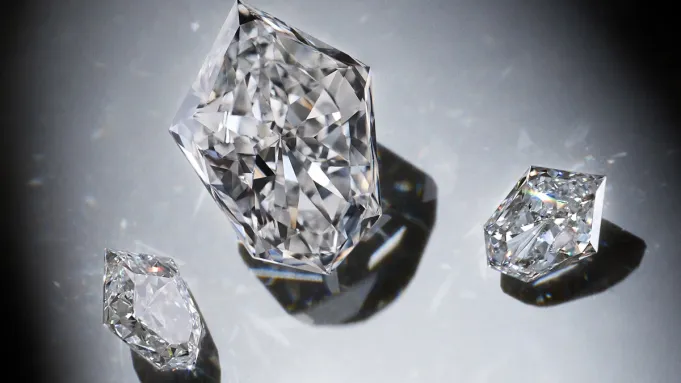
Lab grown diamonds are fast becoming a major force in the global diamond market, and their rise is starting to reshape not only the jewelry industry but also the entire value system around diamonds. If you have not been following the trend, you may be surprised at just how much things have changed in just a few years.
Creating a diamond in a lab is not a magic trick, but it is about as close to science fiction as you will find at your local jeweler. The process imitates the forces that create diamonds deep within the earth, but in a controlled laboratory setting. There are two main technologies at play here: High Pressure High Temperature, or HPHT, and Chemical Vapor Deposition, known as CVD. Both methods start with a tiny piece called a diamond seed, which is placed in a chamber. In HPHT, that chamber is subjected to tremendous heat and pressure, allowing carbon to crystallize around the seed over the course of a few weeks. CVD, on the other hand, works more like a futuristic 3D printer, using hydrogen and methane gases blasted with energy to layer carbon onto the seed until a diamond is formed.
The result is a stone that is chemically, physically, and visually identical to any mined diamond. HPHT and CVD diamonds are nearly impossible to distinguish from natural ones without sophisticated tools, which means buyers get all the sparkle and none of the guesswork about origin.
The cost savings are dramatic. Depending on where you look, and the grades you compare, lab grown diamonds can be between 30% and 95% less expensive than their mined cousins. Just a few years ago, the discount was only about 10% to 20%, but increased efficiencies and fierce competition have put serious downward pressure on lab diamond prices. As of early 2025, most lab grown diamonds are selling for about one tenth the price of a comparable mined stone, and further price drops are expected as production scales up even more. For consumers, this means stones that were once out of reach are suddenly an option, whether for engagement rings or other jewelry.
Jewelers have had to rethink their whole approach. After years of skepticism and even concern that lab grown stones would cheapen their natural inventory, most retailers now offer both options. While this gives buyers more choices, it has presented challenges for jewelers who must manage new inventory, pricing strategies, and shifting preferences. In February 2020, lab grown stones made up only 11% of diamond sales. By February 2024, that number had exploded to 53%. Jewelers are scrambling to adapt as younger buyers, in particular, embrace lab diamonds both for ethical reasons and pure value.
The ripple effects extend to diamond mining companies, too. Faced with a growing consumer shift, mining giants have seen the prices of natural diamonds slide abruptly. For standard stones, average prices for one carat rounds have dropped by more than a third from their peak in 2022 to the end of 2024. Some large mining firms have responded by launching their own lab grown diamond lines or looking to sell off natural diamond assets. Meanwhile, the environmental case for lab grown diamonds is strong. Mined diamonds generate about 57,000g of carbon emissions per carat, while lab grown stones emit only a minuscule fraction of that amount. For the eco-conscious, this is a compelling point.
The industry’s customer base is shifting, too. Millennials and Generation Z, those aged roughly 18 to 44, now account for more than 60% of demand for natural diamond jewelry and are also leading the surge for lab grown stones. Surveys show that younger buyers care not just about the look and price of diamonds, but about ethics, environmental impact, and transparency. Engagement rings remain the number one diamond purchase, with 52% of couples choosing lab grown stones in 2024, up dramatically from just 12% in 2019. The desire to gift diamond jewelry is still strong, but the reasons are evolving, with design and ethical credentials carrying more weight than ever.
Diamonds may last forever. But the market’s ideas about what a diamond should be, who produces it, and what it says about you, are all changing rapidly. The next time you walk into a jewelry shop, do not be surprised if the most dazzling gem in the case was not pulled from the earth, but made by a scientist wielding technology that reshaped an entire industry.
