
[stock_market_widget type=”card” template=”basic2″ assets=”GOOG” realtime=”true” api=”yahoo-finance”]
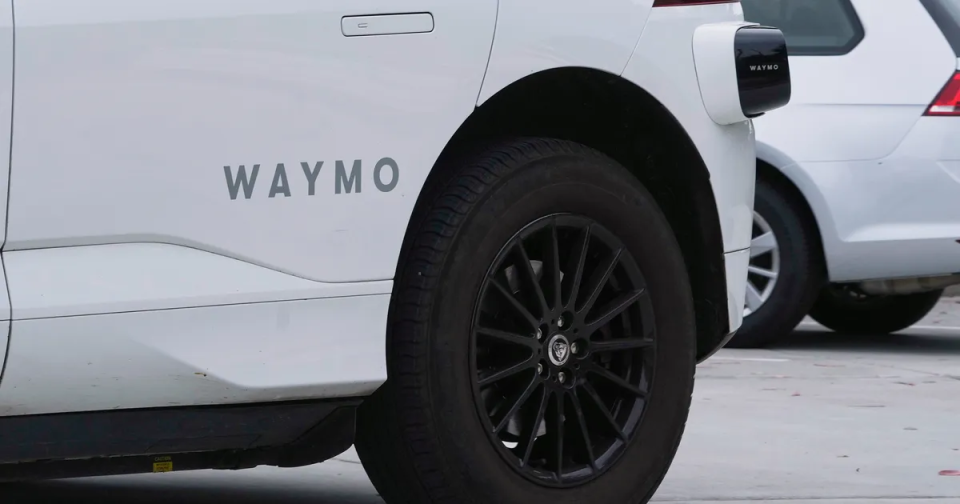
Alphabet’s Waymo (NASDAQ:GOOGL) is adding Dallas to its roster of cities offering autonomous taxi rides and, in the process, it’s shaking up the business of keeping these robot cars humming. Starting next year, North Texans will be able to hail Waymo’s self-driving Jaguar I-PACEs via the company’s app, part of a multiyear plan that also places rental car giant Avis Budget Group (NASDAQ:CAR) at the center of managing and maintaining the Dallas fleet.
This isn’t just a new dot on Waymo’s U.S. map. The move represents a shift in how robotaxi services are run behind the scenes. Unlike Waymo’s launches in other cities, which often relied on existing rideshare giants for support, the Dallas operation will see Avis stepping in to handle the gritty details: charging, cleaning, maintenance, and managing the base where the cars live when they’re off the road. Avis, with decades of experience running one of the world’s largest rental fleets, will now bring that know-how to this new era of mobility.
For Avis, the partnership is also a strategic leap. It marks the company’s first time as an exclusive autonomous fleet manager, giving it a clear runway to prove it can handle the unique challenges of electric, self-driving vehicles at scale. Avis’s CEO, Brian Choi, called the partnership a “pivotal milestone,” a big statement from a brand once best known for renting out minivans at airports. If this collaboration goes smoothly in Dallas, it could expand to other cities as more markets open up to commercial robotaxi service.
Waymo’s expansion comes at a time when competition in the autonomous vehicle space is growing more intense. Tesla, with its much-hyped robotaxi announcement, and Amazon’s Zoox are racing to prove their technology can handle big-city streets at commercial volumes. At the same time, a parade of startups, from Cruise to Motional, are all pitching visions of a future where anyone can summon a car with nobody at the wheel.
Still, Waymo stands apart. As of this summer, the Alphabet spinoff operates in cities like San Francisco, Los Angeles, Phoenix, and Austin, and it reports over 250,000 paid trips handled every week. Analysts point out that Waymo has quietly pulled ahead of rivals by focusing on data-driven safety and a methodical rollout plan. In Dallas, the company says it wants to make a measurable dent in one of the country’s worst big-city traffic fatality rates, aligning with civic goals around safer streets, not just convenience for tech-savvy passengers.
Dallas’s robotaxi debut won’t happen overnight. Waymo has already started running test vehicles around the metro area, prepping its software for local quirks like sudden summer downpours and the maze of downtown one-ways. Sometime next year, the first public rides will be offered, though Waymo hasn’t revealed exactly how many vehicles Dallas will get or how wide the initial service area will be. What’s certain is that Dallas will join the ranks of U.S. cities experimenting with what may be the next big step in daily transportation, a future where catching a ride could mean never talking to a driver at all.
With this launch, everyday routines in Dallas, from getting to the Mavericks game to exploring the city’s sprawling arts and food districts, are set to get a tech upgrade, thanks to a ride that promises fewer surprises, fewer emissions, and maybe, just maybe, far fewer accidents. Whether or not that promise is fully realized, the city will be the latest proving ground for a technology that’s sprinting out of the experimental lane and into the heart of urban life.
