
[stock_market_widget type=”card” template=”basic2″ assets=”LITOF” realtime=”true” api=”yahoo-finance”]
Frontier Lithium Inc. (OTCQX: LITOF, TSXV: FL) is kicking off a new chapter in Canada’s battery supply chain ambitions, announcing the award of a definitive feasibility study (DFS) for its planned lithium conversion facility in Thunder Bay, Ontario. This announcement follows a recently completed DFS for Frontier’s mine and mill, shifting the focus now to the refinery phase. Fluor Canada Ltd., a global engineering heavyweight, has been tapped to lead the study, which will scrutinize everything from infrastructure and process design to environmental assessments and cost modelling.
Frontier didn’t land on Fluor by accident. After an extensive evaluation, the company chose Fluor for its hands-on expertise with lithium refining and major minerals projects on both a global and regional scale. The role is broad: Fluor will not only run the core feasibility work but will help coordinate a range of specialized consultants contributing technical analysis, permitting, and reporting.
If the DFS delivers what Frontier is hoping for, it will provide a preliminary capital cost estimate that sets the stage for the company’s first commercial lithium refinery in Thunder Bay. Longer-term, this study will be key in securing government contributions. Frontier expects to ink federal and provincial agreements on project funding by 2025 or 2026, drawing on recent provincial budget highlights and articulating how the refinery fits into Canada’s national EV battery strategy.
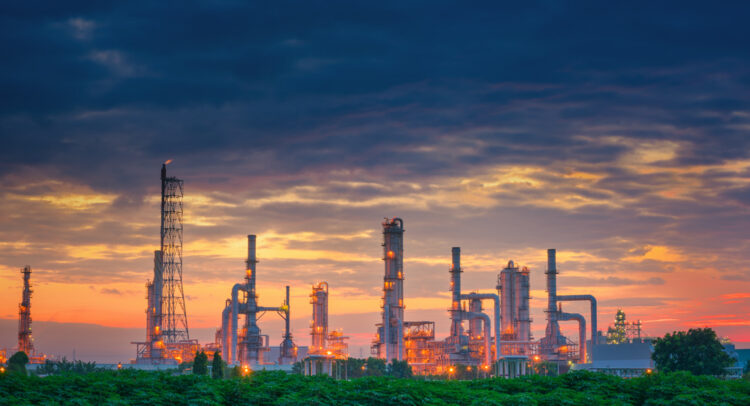
The Thunder Bay plant, targeted for a recently acquired Mission Island site, is designed to produce around 20,000 tonnes of lithium carbonate equivalent in lithium hydroxide salts once in operation. To put that in perspective, such an output could supply the batteries for up to 500,000 electric vehicles every year. Frontier is also planning for flexibility, aiming to accept feedstock not just from its own production in Ontario, but also from third-party lithium sources both domestic and international. This approach could give Canada a bigger footprint in the global lithium and EV supply market.
The company says sustainability and community engagement are central to its approach. Working with Indigenous partners, stakeholders, and all levels of government is billed as an ongoing priority. Frontier’s longer-term goal is clear: build a secure, North American supply chain for lithium that allows automakers and battery companies to source clean energy metals at scale, close to where the demand is surging.
Frontier Lithium sits apart from many upstart miners. It holds a dominant land position in Ontario’s Great Lakes lithium district, with its flagship PAK Lithium Project operated as a joint venture with Mitsubishi Corporation. This resource is touted as the highest-grade known lithium deposit in North America. Recent technical reports project a mine life of 31 years and calculate an after-tax net present value of $673.6 million (CAD$932 million) at an 8 percent discount rate, with an internal rate of return pegged at 17.9 percent. These figures are notable for a company still pre-revenue, and underline the scale of bet both Frontier and its partners are making on the rise of electric vehicles.
What comes next? The new DFS should be completed within 18 months, assuming funding and agreements fall into place as planned. Afterward, Frontier may further update integration plans for the mine, mill, and refinery, potentially enhancing project economics. The next 18 months will reveal if the company can close the gap from promising plans to real progress on the ground.
Canada is still chasing its slice of the clean tech pie, aiming to keep more of the value chain close to home as battery and electric vehicle demand climbs. Frontier’s planned refinery is one step toward that goal. With the feasibility study now officially underway, the coming year will be a proving ground for both the project, and for Ontario’s battery metals ambitions as a whole.
