
The Federal Reserve decided on Wednesday to hold interest rates steady once again, keeping the federal funds rate in the 4.25% to 4.5% range. What’s notable this time isn’t just the central bank’s cautious approach to inflation but the political friction playing out center stage. Just days before the decision, President Trump made a highly publicized visit to Fed headquarters, making it clear he wanted to see interest rates head south sooner rather than later.
Pressure from the White House isn’t entirely new, but the recent rhetoric stands out for its sheer bluntness. Trump has been insistent that a rate cut is necessary to support economic growth, and he’s pointed to other central banks, like the European Central Bank and the Bank of England, recently trimming their own rates. That said, the U.S. central bank has reasons to stick to its guns, at least for now. Inflation remains above the Fed’s 2 percent target, and the economic outlook is clouded by the president’s own tariffs, which are sending mixed signals across the board: Some indicators show the economy holding up, while key inflation measures hint at rising prices just beneath the surface.
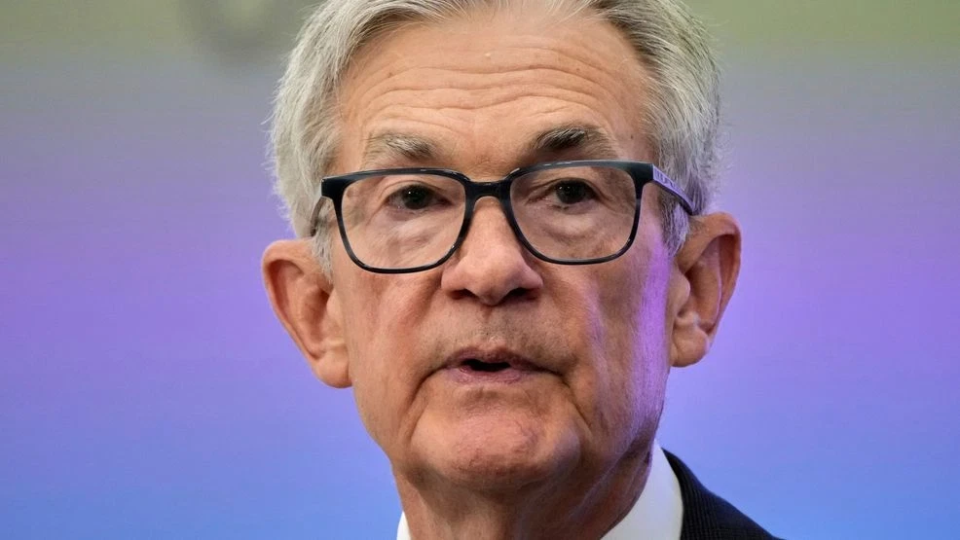
Jerome Powell, the Fed chair, used his post-meeting press conference in Washington, D.C., to remind everyone that the Federal Reserve’s mission isn’t to respond to political headwinds. “Political independence gives us the ability to make these very challenging decisions in ways that are focused on the data, the evolving outlook, the balance of risks, not on political factors,” Powell told reporters. Simply put, the Fed’s job is to keep inflation in check and foster healthy labor markets, not to prop up the administration’s fiscal plans or make federal borrowing costs more attractive in an election year.
Recent history at the Fed shows just how delicate this balancing act has become. Since late 2024, the central bank has kept rates steady despite the president’s vocal pressure campaign. The economic data offer reasons for caution. The unemployment rate remains low, and job conditions are generally solid. However, inflation in June reached an annualized rate of 2.7 percent, a reminder that the job isn’t finished yet. Add in the new tariffs, and there’s a genuine risk that consumer prices could climb even higher.
The political drama ratcheted up after Trump and Powell met last week, with the president reportedly delivering his message in person: he wants rates cut, period. Yet, economists largely expected the Federal Open Market Committee, the panel within the Fed that sets monetary policy, to keep rates as they were. Federal Reserve officials were split, too. Two board members, both Trump appointees, dissented in favor of a rate cut, illustrating the deepening divide at the heart of U.S. monetary policy-making.
Despite all the threats and headlines, there’s a strong institutional reason for Fed independence. As multiple economists have noted, caving to political demands can create uncertainty in financial markets and risk losing control over inflation. History shows that the best economic outcomes are achieved when central banks prioritize long-term financial stability over short-term political wins.
What’s next? Powell and the Fed haven’t shut the door on cutting rates later in the year, particularly if the fallout from the trade war or weak labor market data start to bite. For now, though, they’ve opted for patience, no matter how loud the outside voices get. Given the current climate, sticking to the data may be the Fed’s boldest move yet.
