
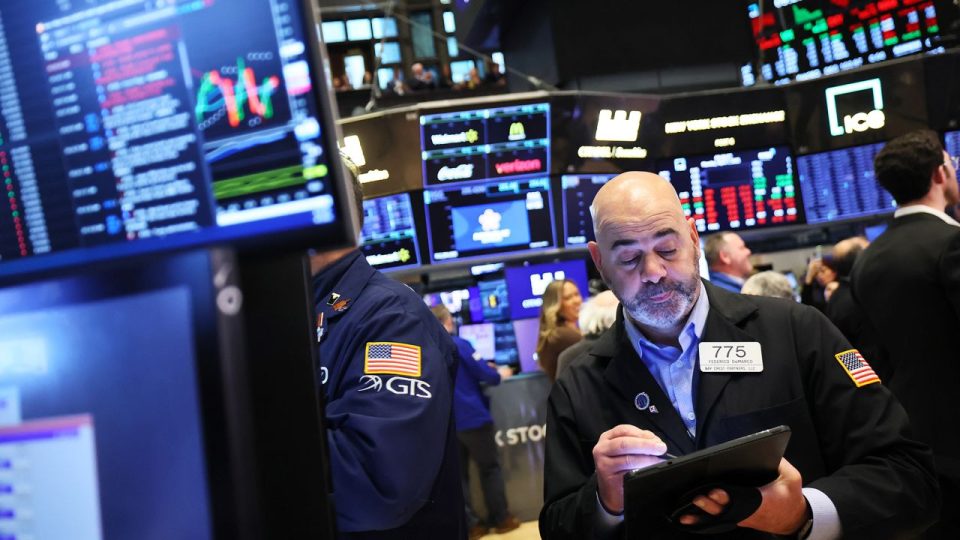
The first day of August delivered a jolt to U.S. investors who were hoping for a calm start to the month. Within just thirty minutes after the opening bell, the Dow Jones Industrial Average, S&P 500, and NASDAQ Composite all suffered steep drops. The Dow shed more than 750 points, down about 1.75%, while the S&P 500 slipped 1.95% and the NASDAQ slid 2.25%. This rapid sell-off followed the release of a jobs report for July that was anything but reassuring, and came right after the U.S. government formally rolled out a new round of tariffs that further spooked the markets.
The Labor Department’s latest data showed the economy added just 73,000 jobs in July, far below expectations of around 100,000 to 115,000 and well under the monthly averages that had been recorded throughout the spring. Making matters worse for the mood on Wall Street, prior months’ figures were revised sharply lower: the May and June job totals were cut by a combined 258,000 jobs, suggesting the labor market was not nearly as robust earlier this year as most believed. The unemployment rate rose to 4.2%, up slightly from last month.
Economists and markets were hoping hiring would hold steady, but instead the jobs data clearly illustrated a slowing economy. That perception is reinforced by the drop in jobs added alongside the downward revisions for earlier in the summer. While layoffs remain low on the surface, hiring is tepid and seems to be losing steam in nearly every major sector. For investors, that’s a warning sign that economic momentum may be slipping just as other global headwinds intensify.
The disappointing jobs figures themselves might have been bearable in a normal trading environment, but they arrived on the heels of another big market catalyst: the official rollout of new U.S. tariffs. President Trump’s administration imposed sweeping duties on imports from more than 90 countries, including major trading partners like Canada, the European Union, India, and Taiwan. Some tariffs went as high as 41%, though most were in the 10 to 35% range, as the White House cited the need to “protect American workers and industries” by targeting imports deemed unfairly subsidized or harmful to U.S. supply chains.
Markets have been bracing for the impact of these tariffs, not just because they threaten to raise costs for a broad array of goods, but also because of concern about possible retaliation by America’s trading partners and overall supply chain instability. Businesses now face higher expenses and even more uncertainty about planning and inventory. For the major indices, which include many multinational companies that depend on global trade, the fresh round of tariffs only raised anxiety levels further.
Stocks have certainly weathered storms before, but the combination of a faltering labor market and disruptive trade policy is a potent one, especially this close to the end of a strong corporate earnings season. For traders and investors, the message from early results is pretty clear: caution is now the name of the game, at least until there is evidence of firmer footing for hiring or some clarity regarding trade negotiation outcomes.
With the Federal Reserve potentially facing pressure to consider interest rate cuts as a way to support growth, all eyes will turn to central bankers and upcoming economic data for clues on the path forward. But if this morning’s market reaction is anything to go by, Wall Street’s optimism may be in short supply, and the second half of the year just got a lot more uncertain.
