
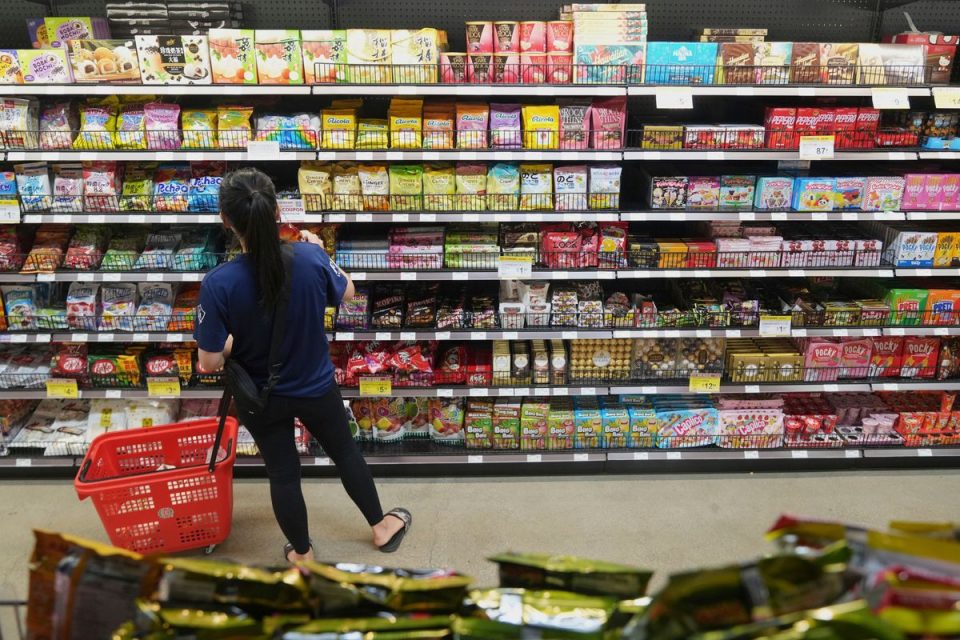
If you’ve felt a pinch every time you check out at the supermarket, you’re far from alone. Most U.S. adults these days say the cost of groceries is a real source of stress. A recent poll by The Associated Press-NORC Center for Public Affairs Research found that about half of Americans call the price tag at the store a major stressor, while a third say it’s a minor one. Only a small slice, 14 percent, report feeling no stress at all about what they pay for food, highlighting just how widespread the anxiety is over the cost of basic essentials.
If you’re trying to figure out why your grocery bill seems so relentless, the answer is more complicated than just “inflation.” As of June 2025, the annual inflation rate in the United States sits at 2.7 percent, which is actually a dip from the dizzying numbers we saw in the wake of the pandemic. Still, inflation is stubbornly above the Federal Reserve’s 2 percent target, and food prices are up even more than other essentials. Over the past year, grocery prices have risen by 2.2 percent, and that number doesn’t fully capture just how steep the climb has been over the past few years: Since the pandemic began in 2020, consumer prices overall are a hefty 24 percent higher, and food tops the list of expenditures most families just can’t avoid.
But there’s another force at play, and it’s one on the minds of policy watchers and kitchen-table economists alike: tariffs. The Trump administration’s sweeping tariffs on a raft of foreign products are beginning to show up, quite literally, in your cart. Economists say that food prices in the U.S. are likely to go up 3.4 percent in the short run as a result of the new tariffs, and stay about 2.9 percent higher over the longer term. The explanation is straightforward. Tariffs function as taxes on imports, and while the idea is to nudge consumers toward American-made goods, that’s not always possible.
Most imported food and drink items don’t have equally appealing local substitutes. If you prefer Mexican avocados or treat yourself to Parmigiano-Reggiano, you’re likely going to pay the premium. The net effect is that American consumers, already feeling battered by inflation, now see tariffs tacked onto the final price they pay. And with $221 billion in food products coming into the U.S. in 2024, that’s a lot of items potentially subject to extra costs at checkout.
Grocery costs are especially tough for lower and middle-income households that have less flexibility in their monthly budgets. That stress is reflected in the numbers. The poll data shows a rare point of unity across income brackets, regions, and political stripes: Everyone feels the pinch, although those with fewer resources experience the most acute anxiety.
And it isn’t only imported specialty products. The inflation and tariffs combo hits everything from breakfast cereal and canned foods to fruits, vegetables, and even the basics like bread and eggs. While some segments, like eggs, actually saw prices drop a bit recently, others are still up significantly compared to a year ago, and it only takes a few grocery runs to notice the difference.
All this anxiety over grocery prices hasn’t gone unnoticed by policy makers, but uncertainty over the ultimate impact of tariffs and inflation means that relief isn’t on the immediate horizon. Most economists expect price pressures to stick around for at least the next couple of years, especially if the trade restrictions remain in place.
In the meantime, the supermarket is fast becoming one of the main places where Americans feel the challenges of the U.S. economy most directly.
