
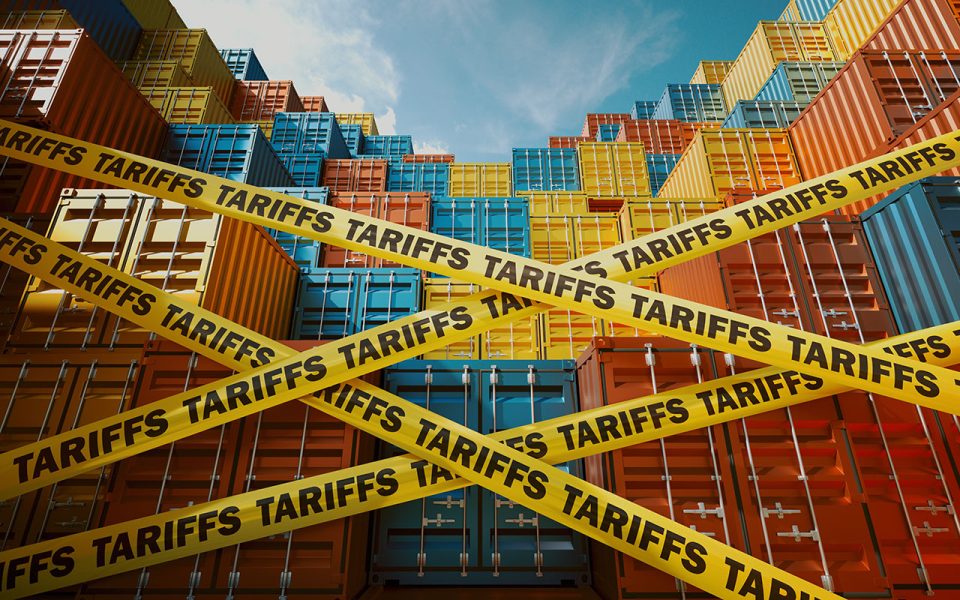
Americans are now facing the highest tariffs on imported goods since the 1930s, with an average increase of 18.3% in import prices. This steep rise has begun to have a tangible economic impact, signaling real consequences from months of tariff threats.
The escalation in tariffs is part of a broad policy push by the U.S. administration, which recently imposed new import duties on goods from more than 60 countries, including significant partners like the European Union, Japan, and South Korea. These tariffs range from 10% up to 50% on select products, reflecting a substantial jump compared to previous rates. For example, imports from the EU, Japan, and South Korea now face a 15% tariff, while goods from Taiwan, Vietnam, and Bangladesh incur a 20% tariff. This sweeping approach is designed to encourage investment within the United States and revive American manufacturing, but it comes with immediate costs that are hitting consumers and businesses hard.
According to recent analyses, the average tariff rate faced by consumers has soared to 18.3%, the highest in over 90 years. The economic burden translates into a short-term price level increase of about 1.8%, meaning that households on average are seeing an equivalent income loss of roughly $2,400 this year purely due to higher prices. The effects are especially pronounced in certain categories: prices for shoes have jumped by 40% and apparel by 38% in the short run, with these elevated price levels expected to persist at nearly half that rate over the longer term even after consumers adjust their spending habits. Other affected areas include food, which has risen 3.3%, and motor vehicles, which have seen prices up by 12% initially and remain nearly 10% higher down the line.
These tariffs and the resulting price increases have not only strained household budgets but also impacted broader economic indicators. Real GDP growth in the U.S. is expected to be lower by half a percentage point in 2025 and 2026, with the overall size of the economy shrinking by an estimated 0.4% to 0.6% in the aftermath of the tariffs. This translates into a long-term reduction in economic output equal to about $120 billion annually when adjusted for inflation. Labor markets have also felt the pinch, with employment levels forecasted to be nearly half a million jobs lower by the end of 2025 and unemployment rates gradually rising.
The rising cost of imported goods is having ripple effects across the economy. Consumer companies such as Adidas and Mattel have publicly warned that the tariffs will force them to raise prices, further passing costs onto American consumers. Increased tariffs on input components also elevate manufacturing costs within the U.S., as products like automobiles rely on parts that cross multiple borders before final assembly. The result is an overall decline in productivity and real wages, as firms find it harder to sustain the same levels of employment and compensation.
These economic pressures have started to slow activity in key sectors, including construction expenditures which have fallen nearly 3% over the past year. The once hopeful notion that tariffs would quickly boost domestic manufacturing has yet to materialize, and instead, the economy is feeling the strain of higher prices and disrupted supply chains.
The trade deficit has paradoxically widened despite the tariffs, reaching a 38% increase in the first half of the year. This suggests that attempts to curb imports through tariff barriers are being undercut by other factors, including importers accelerating shipments ahead of tariff deadlines. Moreover, many economists caution that the current trajectory risks long-term economic erosion if the tariffs remain in place or escalate further.
While the administration maintains that the tariffs will ultimately generate significant federal revenue and stimulate business investment, the immediate economic reality for Americans is one of increased costs and slower growth. The policy aims remain ambitious, but the rising price tags on everyday goods, slower job growth, and reduced economic output underscore the real challenges of sustaining such a trade strategy without significant fallout.
The spike in tariffs up to levels not seen since the Great Depression is translating into higher prices for American consumers, by about 18.3% more on imported goods on average, and is contributing to slower economic growth and increased unemployment. With household budgets tightening under the weight of more expensive apparel, shoes, food, and vehicles, it remains to be seen how the economy will adapt and whether the hoped-for benefits of these tariffs will outweigh their economic costs in the years ahead.
This is a critical moment as the U.S. faces the tangible consequences of a trade policy that has been years in the making but is only now fully coming into effect and reshaping the consumer landscape.
