
After more than three decades, AOL (now part of Yahoo), once the defining gateway to the internet for millions, is set to discontinue its dial-up internet service on September 30, 2025. Alongside this, the company will also retire its AOL Dialer software and the AOL Shield browser, both integral parts of the dial-up experience for a generation of users. This quiet farewell marks the end of an era, closing a chapter on a connection method that profoundly shaped early online life.
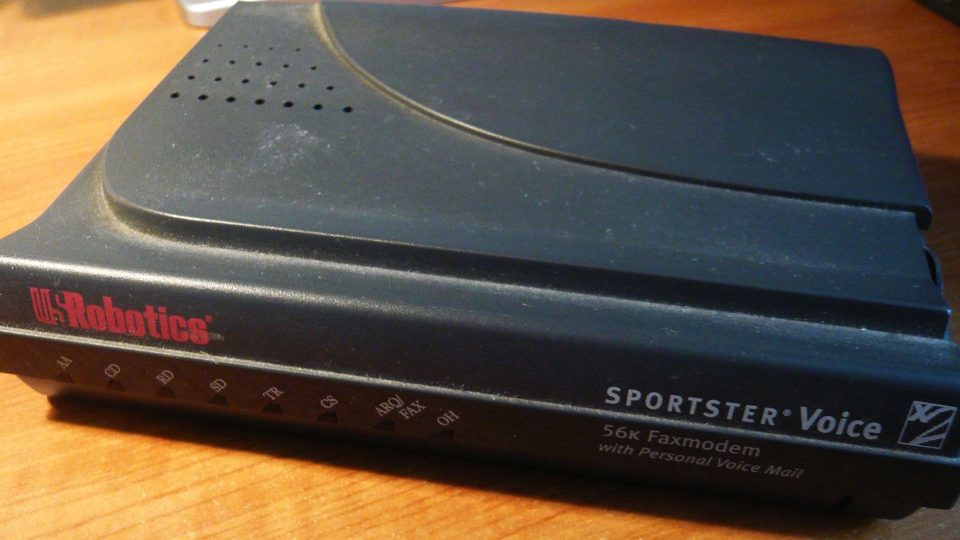
Dial-up service, which connects to the internet via traditional telephone lines and modems, has become almost an artifact of the past in today’s fast-paced, always-on digital world. Yet, for those who remember patiently waiting for the iconic series of clicks, chirps, and static bursts that meant you were about to get online, the AOL dial-up experience is deeply nostalgic. It was more than just a means to access the internet; it was an event marked by anticipation and excitement, often accompanied by the unforgettable voice greeting: “Welcome! You’ve got mail.”
The origin of AOL’s dial-up service dates back to the early 1990s. America Online, founded in 1985 originally as Control Video Corporation, pivoted to focus on internet services and rebranded to AOL in 1989. It quickly became a household name, offering affordable internet access and user-friendly features like email, chat rooms, and early social networking through its Instant Messenger (AIM). Its reach was vast, millions of users connected through its phone line access, guided by the cheerful blue-and-yellow running man logo that became synonymous with budding internet culture.
In the 1990s, AOL dial-up proved revolutionary for many, particularly households connecting to the web for the first time. The company’s trial CDs, which found their way into countless homes, became a cultural icon of the internet age. Subscribers experienced those slow, noisy connection moments where the modem’s screeches filled the room before giving way to the vast, unexplored expanse of the World Wide Web. At its peak around the turn of the millennium, AOL had over 30 million subscribers, playing a pivotal role in bringing the internet to Americans nationwide and fostering early online communities.
The dial-up service lingered long after broadband and fiber optics delivered faster, always-on connections. It remained a lifeline particularly in rural areas where high-speed internet was, and in some places still is, unavailable. The service’s longevity underscores its continued value to a small but persistent user base.
Yahoo, which owns AOL, cited routine service evaluations as the reason behind this decision, noting that the number of customers still using dial-up had become very small. They assured customers that other AOL services, including free AOL email, would remain unaffected by the change.
For many, September 30th will be more than a technical cutoff, it will be a symbolic moment. The familiar dial-up noises, the ritual of logging in, and the start of countless digital journeys will become memories. It’s a reminder of the slower, more deliberate beginnings of the internet, when just connecting was an achievement, and “surfing the web” took patience and sometimes tying up the family phone line.
As the tech landscape continues to evolve, leaving behind legacy technologies that once defined how we connect, the end of AOL’s dial-up service reminds us of how far, and how rapidly, the digital world has come. Yet, for the millions who experienced it firsthand, that first connection sound and “You’ve got mail” greeting will forever echo like a nostalgic call from a simpler digital dawn.
The shutdown of AOL’s dial-up service ends 34 years of internet history, one filled with innovation, community, and the early excitement of the World Wide Web.
