
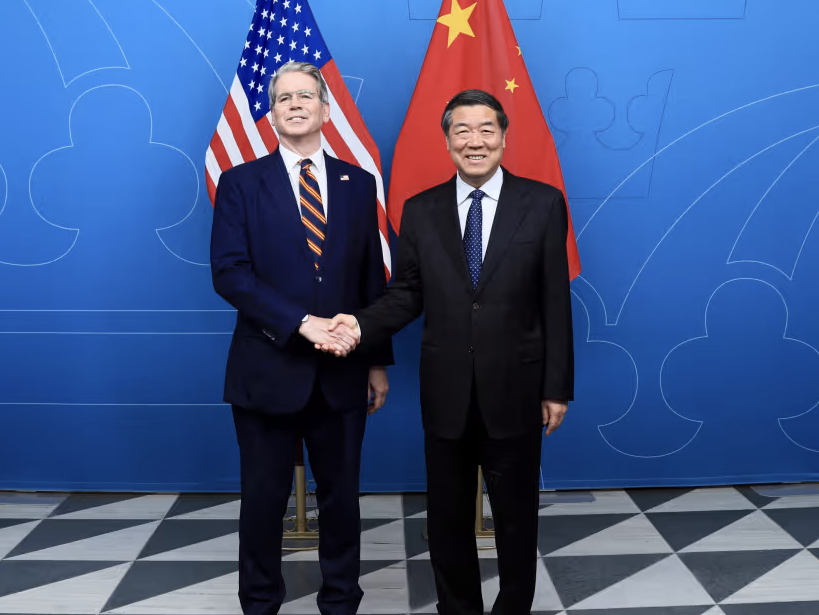
President Trump’s decision to push the deadline for higher China tariffs to November 9th adds a little breathing room for importers and markets, and it hints that channels for further talks remain open for now. The extension preserves today’s lower rates rather than allowing a sharper hike to kick in, which had been looming over supply chains and pricing plans through late summer. The move landed alongside a separate clarification that gold imports would be excluded from tariffs, a detail that quickly eased a bout of anxiety in precious-metals trading and contributed to a pullback in prices after a spiky week.
The mechanics matter here because this is less about a grand bargain and more about removing an immediate shock to costs. As reported by multiple outlets, the White House signed an order that keeps existing U.S. tariffs on Chinese goods in place for another 90 days rather than letting them revert to higher levels, effectively moving the next decision point into mid November. Markets had been bracing for steeper duties, and while policy has seesawed this year, holding rates steady now reduces the risk of sudden margin compression for import-heavy businesses heading into the holiday inventory window. It is not a resolution to the broader trade dispute, but it is a window during which companies can place orders with fewer last-minute rule changes.
The gold carve-out is a separate but related piece of the puzzle because it removes a potential kink in a highly standardized global market. After confusion stemming from a government ruling about whether common bullion bars might be swept into tariff schedules, the administration clarified that gold imports will not face duties, undercutting the immediate case for a tariff premium in U.S. futures pricing. Prices had surged and then cooled as traders parsed signals from Washington and industry groups, and the explicit exemption helped nudge the metal back from extremes as participants reassessed supply routes and delivery costs. With that risk off the table for now, attention in the gold market shifts back to the usual drivers, including inflation data and real yields, instead of customs paperwork.
For corporate planners, the near-term takeaway is straightforward: the rules of last week are likely to be the rules of next week, at least through early November. That stability can help smooth purchasing decisions, hedging, and pricing discussions with retail partners that have been complicated by headline risk since spring. The caveat is that the extension is exactly that, an extension, which means the tariff debate returns on the calendar with the same core issues still unresolved. That argues for maintaining contingency plans, especially for goods with long lead times or limited substitute sources, while using this window to lock in logistics and inventory where possible.
There is also a currency undercurrent worth watching, even if the latest move did not trigger an immediate break in dollar yuan trading. On Tuesday, the USD CNY rate hovered around 7.19, a level consistent with recent ranges and not suggestive of a sudden devaluation impulse tied to the tariff headline itself. If anything, the exchange rate backdrop has been relatively steady over the past week, which dampens the pass through of tariff uncertainty into import prices from China beyond the direct duty effect. That does not eliminate risk, but it keeps the focus squarely on policy choices rather than FX volatility when modeling costs into year end.
Investors do not need to love the policy to appreciate the predictability it buys for a few months. The November 9th marker now becomes the next waypoint for both risk and opportunity in U.S. China trade, with gold’s exemption offering a useful example of how targeted clarifications can defuse market landmines before they explode.
