
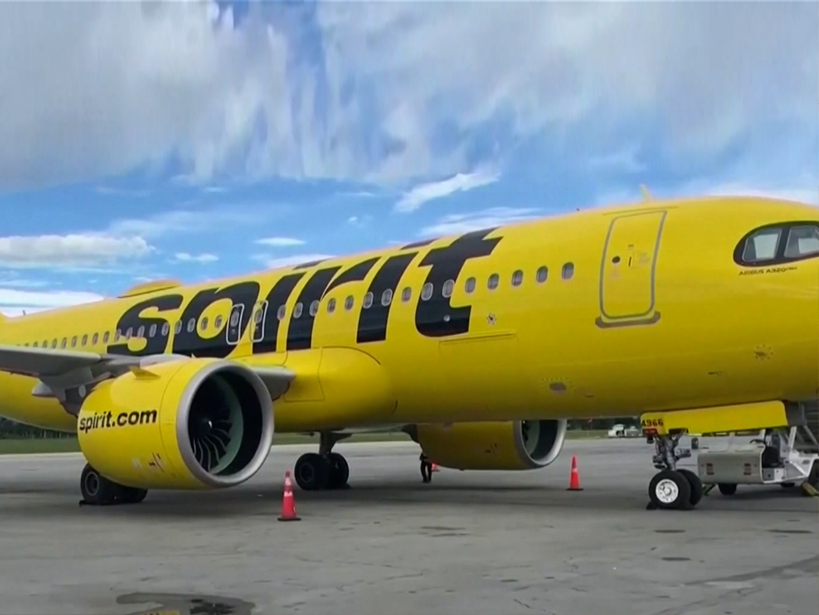
Spirit Airlines is throwing up a red flag, hinting to investors and travelers alike that time may be running out for the budget carrier to find a stable path forward. In its latest quarterly report, the company issued a going-concern warning, meaning its accountants believe there is significant doubt the airline can stay in business for the foreseeable future unless conditions dramatically improve. For many, that’s the equivalent of seeing an oxygen mask drop from the overhead compartment before takeoff.
This latest distress signal comes just months after Spirit shucked off bankruptcy proceedings. Emerging from Chapter 11 is supposed to bring a sense of relief but, as recent disclosures show, landing back on solid ground is far from guaranteed in the hyper-volatile airline industry. Spirit has, for years, built its brand on ultra-low fares and bare-bones service, but the market it helped define is shifting beneath its feet.
The playbook after bankruptcy was to move away from pure thrift and tempt fliers with something a bit more premium. Those familiar with Spirit’s former spartan aesthetic might raise an eyebrow at the idea of “premium economy” seats, but that is exactly the sort of offering the airline is now pushing. New seats, extra legroom and bundled fees for checked baggage are meant to court travelers willing to spend a bit more for a touch of comfort, without jumping all the way to business class. The airline hopes the new options will bring in higher-yield customers and patch up thinning profit margins.
However, even fresh upholstery and friendlier fare bundles can’t fix some of the industry’s deeper, more entrenched problems. Right now, Spirit and its peers face a flood of domestic flight capacity, driving ticket prices down and squeezing revenue. There’s also the not-so-small problem of changing tastes. Many travelers, especially those mixing work and pleasure trips, are gravitating toward airlines that offer more flexibility, in-flight tech and less nickel-and-diming. Spirit’s historic focus on unbundling every service and charging for each add-on may no longer mesh with what today’s travelers want.
That disconnect shows up in quarterly numbers, but the problems go beyond economics alone. Earlier this year, a grounding of Pratt & Whitney engines hit Spirit’s Airbus fleet particularly hard, reducing the number of aircraft available for flights and cutting deeply into revenue opportunities. The ripple effect of idled planes and maintenance delays continues to cause headaches for scheduling and customer satisfaction.
For context, the “going-concern” language in financial filings is not deployed lightly. It crystalizes the fears of creditors and investors and often makes routine operations much more difficult, from securing financing to negotiating with suppliers. Having emerged from bankruptcy only months ago, Spirit’s creditworthiness is already under the microscope. Each incremental setback now adds urgency to the challenge of fixing its business model.
The bigger picture doesn’t offer many easy fixes. U.S. airlines in general are struggling with a glut of flights and evolving consumer habits, but Spirit’s business remains especially exposed since it caters to the most cost-sensitive fliers, a demographic with little brand loyalty and even thinner fare tolerances. Any attempt to climb the quality ladder risks alienating its base without guaranteeing new converts.
Industry-watchers are closely monitoring Spirit’s next moves to see whether the company can turn the tide or become the latest cautionary tale in the airline sector. As it stands, travelers looking to book with Spirit should be aware that the airline’s future, for now, is anything but certain.
