
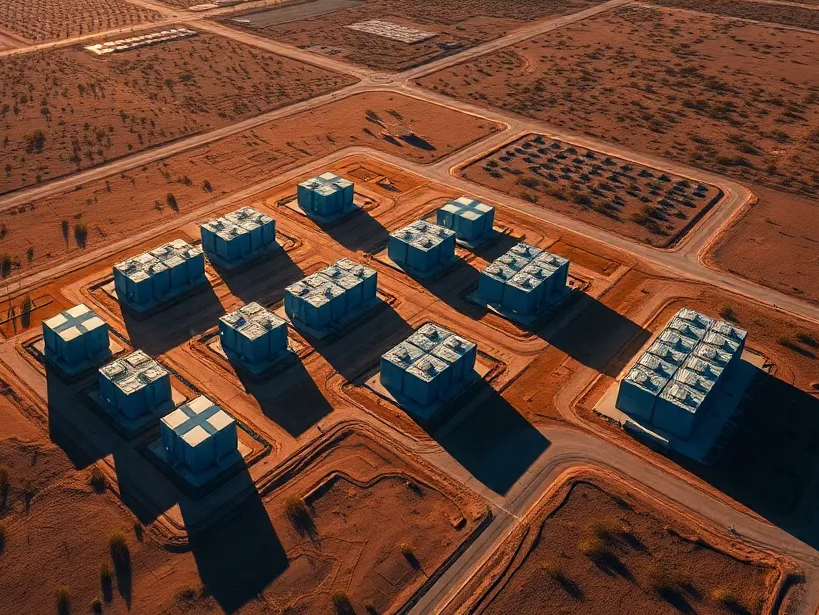
In 2025, the growth of technology infrastructure in Texas is leaving an increasingly visible mark, not only in the local skylines, but in the state’s water bills. Data centers, which are now vital organs of the digital economy, are projected to consume nearly 49 billion gallons of water this year. That’s about 6.6 percent of the entire state’s water usage, an amount that has started to raise eyebrows among city officials, environmentalists, and everyday Texans concerned about future supply.
Texas has always done things bigger, and the data center boom is no exception. With new facilities popping up in places from Dallas to the oil fields of West Texas, the state has become a central hub for everything from cloud storage to AI-powered applications. These sprawling buildings use vast halls packed with servers and networking equipment, greedy machines that generate massive amounts of heat. Keeping them cool isn’t just a matter of comfort, it’s an operational necessity.
In most Texas facilities, those cooling systems work by running large amounts of water through evaporative coolers, which absorb the heat streaming off racks of humming servers. The water then evaporates into the hot, dry air, allowing the computers to keep operating at maximum speed without risk of catastrophic failure. It’s a technically effective solution, but in a state where droughts seem to arrive like clockwork, it is also a thirsty one.
It’s the scale that’s surprising: 49 billion gallons is enough to supply a mid-sized city for months. And as state lawmakers and ranchers fret over rivers running low and reservoirs shrinking, data centers’ share of consumption is only expected to grow. Some experts warn that their water footprint will likely rise sharply in the years ahead, as more companies race to build facilities and expand capacity in areas with abundant land but not necessarily abundant water.
The crunch comes at a time when Texas is already grappling with tough questions about how to meet competing demands. Agriculture devours giant amounts of the state’s water, keeping fields of cotton and corn green during withering summers. Municipalities also need steady supplies for residents and industry. Layered on top of these traditional users, the emergence of data centers as major consumers brings a new challenge. Some Texas utilities are already beginning to ask whether it’s time to rethink how new tech campuses are permitted, and whether limits or incentives for alternative cooling methods might be needed.
There are possible solutions, but they come with new hurdles. Advanced cooling technologies, such as chilled air systems or liquid immersion, can dramatically reduce water consumption but require significant upfront investment. Some companies have begun piloting these alternatives in an effort to shrink their environmental impact while future-proofing their data centers. However, until such methods become standard, the hot Texas climate continues to tip the scales in favor of evaporative cooling.
For local policymakers and business leaders, the growing water footprint of data centers is quickly becoming impossible to ignore. Everyone recognizes that tech brings new jobs and investment, but those benefits come with a literal price in precious resources. The real question Texas faces now is how to balance booming innovation with responsible stewardship of water—a resource that, while renewable, can never be taken for granted, especially in a state so often tested by drought.
As Texas charts its path in the digital future, the choices made about data center cooling could set important precedents. Whether through innovation or regulation, something will have to give. Otherwise, the state may find itself in the uncomfortable position of choosing between agricultural prosperity, urban growth, and digital expansion, all vying for their share of water from the same stressed rivers and aquifers.
