
[stock_market_widget type=”card” template=”basic2″ assets=”SHCO” realtime=”true” api=”yahoo-finance”]
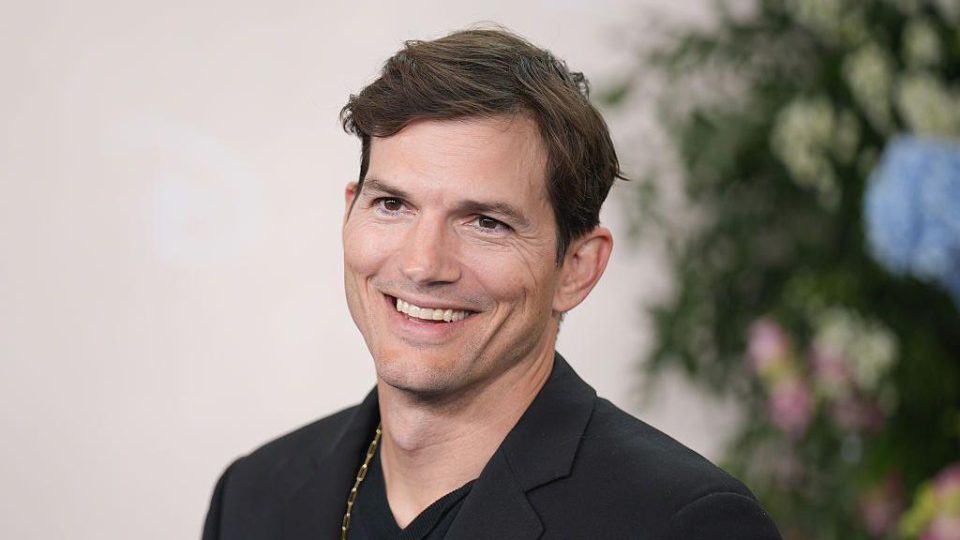
Soho House (NYSE: SHCO) is heading back to private ownership after a $2.7 billion deal that highlights a new era for one of the world’s best-known private members’ clubs. Joining the board in this transition is actor and technology entrepreneur Ashton Kutcher, adding more celebrity sparkle, and investor experience, to Soho House’s next chapter.
The transaction, led by New York-based MCR Hotels, will see the investor group scoop up all outstanding shares of Soho House not already controlled by key insiders. In a move that’s already lit up investor sentiment, shareholders will receive $9.00 in cash for each share, sharply above last week’s closing price and an 83% premium over the stock’s value in late 2024, before news of the deal first began swirling
Soho House, which started as a single club in London in 1995, has evolved far beyond its iconic Greek Street address. Today, its portfolio stretches across 46 clubs around the globe, along with creative workspaces and even luxury beach clubs in Mykonos and Bodrum. The brand, long synonymous with exclusivity and the creative class, entered public markets only in 2021, so this return to private hands comes considerably faster than many expected.
While MCR Hotels is providing the financial firepower, Ashton Kutcher brings both star power and startup savvy, thanks to a track record investing early in companies like Spotify and Duolingo, to the Soho House boardroom. MCR Chief Executive Tyler Morse, who will become the vice chairman, is teaming up with Kutcher as part of the reshaped board. Other key shareholders, including hospitality heavyweight Ron Burkle and Nick Jones, will continue to maintain interests in the company, ensuring continuity with Soho House’s roots.
The reaction from investors has been clear and swift. Shares of Soho House jumped 16% in early trading once the deal was announced. The $9.00 per share cash offer is strong, especially after the stock has spent much of its public life underperforming its IPO price of $14. The combination of a high takeout price and a shift to private control appears to be what shareholders have been eager for.
So, what’s driving this sudden change? For one, the global hospitality sector has had to weather some serious uncertainty and volatility in the last few years, even for unique brands like Soho House. The company’s exclusive strategy, think targeted expansion into key cities and curated spaces for members, has insulated it somewhat, but the pressures of quarterly earnings and capital market scrutiny may have become more of a burden than a benefit. The buyout price, by all accounts, reflects both faith in the brand and a sharp readjustment relative to public market expectations.
The business remains robust, operating on six continents and drawing a clientele ranging from industry creatives to occasionally royalty. The promise of new capital from the Kutcher-led strategic investor consortium positions Soho House to continue expanding its footprint in a market where exclusivity and bespoke experiences are the draw. There’s a sense that private ownership will allow for decision-making that is more long-term, creative, and ambitious, without the relentless pressure for quarterly results that hangs over public companies.
The details of the deal also show participation from major financial backers, including Apollo Global and Goldman Sachs Alternatives, providing the kind of scale and institutional sophistication Soho House might need to keep growing, especially as it considers further international opportunities.
While no final closing date has been set yet, all signs point to a new phase for Soho House, one marked by privacy, fresh capital, and the kind of leadership that is comfortable navigating both the worlds of hospitality and technology investment.
