
[stock_market_widget type=”card” template=”basic2″ assets=”AC.TO” realtime=”true” api=”yahoo-finance”]
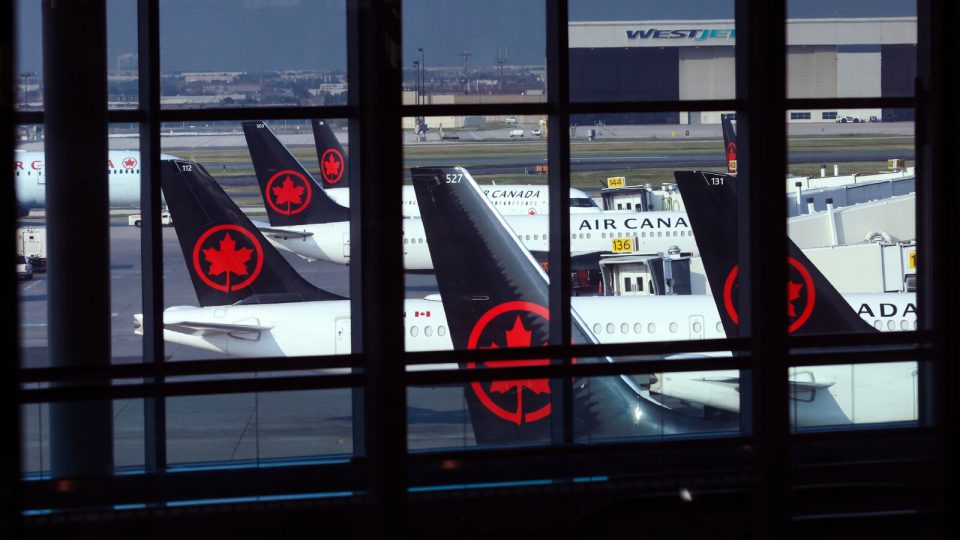
For the last three days, travellers across Canada and around the world have seen plans thrown into chaos as Air Canada (TSX: AC, OTCQX: ACDVF) grounded its mainline and Rouge fleets. The reason? A labour standoff involving the airline’s 10,000 flight attendants, represented by the Canadian Union of Public Employees (CUPE). Now, after a weekend of stalled negotiations and mounting passenger frustration, Canada’s national carrier is eyeing a return to the skies after federal regulators weighed in decisively.
On August 18, 2025, the Canada Industrial Relations Board (CIRB) ruled that the walkout by Air Canada’s cabin crew isn’t just disruptive, it’s illegal. In a direct and pointed decision, the CIRB ordered both the union leadership and individual flight attendants to immediately halt all strike activities and return to their jobs. The ruling also compels CUPE’s leadership to make a public announcement retracting its call for a strike and explicitly instructing members to resume their duties by noon Eastern time on the same day.
The union-organized strike first hit customers after midnight on August 16th, when work stoppages began and flights were systematically removed from the schedule. Within forty-eight hours, what might have seemed at first like a localized disruption had mushroomed into an airline-wide shutdown. By Monday morning, Air Canada estimated that 500,000 passengers had been affected by cancelled flights, an astonishing number that translates to roughly 130,000 people per day.
Air Canada says the union’s refusal to stand down, even after the CIRB’s initial warnings, forced the company to put ambitious restart plans on hold. Instead of rebooting service on August 17, the airline watched its planes stay parked, as the standoff pushed into another day of cancellations. With the CIRB’s clear directive now on the table, management is pledging to restore service “as soon as possible,” though the logistics of re-staffing aircraft and reaccommodating half a million frustrated travelers will be far from straightforward.
For travellers, the fallout has been severe. Families, businesspeople, and tourists, some already in airport lounges or check-in lines, suddenly found themselves scrambling for alternatives or stuck in limbo. Air Canada’s flexible rebooking and refund policy, a necessity as the cancellation tally climbed, offered some relief, but the sheer volume of disrupted passengers overwhelmed support channels and left many waiting for answers.
The CIRB’s ruling has wider implications beyond just Air Canada’s operations. By declaring the strike unlawful, the board reasserted the strict boundaries the current labour framework places on essential transportation services. For the union, that means leadership must not only cancel strike action but also make every effort to ensure flight attendants comply. Failure to do so could expose both individual employees and union officials to further legal consequences.
This round of labour unrest couldn’t come at a worse time for Air Canada, a company still charting recovery after the economic upheaval of recent years. The airline, Canada’s flagship carrier and a founding member of Star Alliance, has worked hard to re-establish its image as a Four-Star Skytrax airline with global reach and a leading loyalty program. Its passenger and cargo operations stretch across six continents.
As the legal drama now shifts to logistics, the hope for customers and the company alike is a quick restoration of regular flights. Whether the underlying labour dispute is truly resolved, or merely paused, remains an open question. For travelers in need of more information, Air Canada maintains a dedicated update page at aircanada.com, though patience continues to be in short supply.
Ultimately, this episode underscores just how integral Air Canada is to Canadian travel, and just how quickly the country feels the impact when the system stalls. The CIRB’s hard line may reopen the country’s skies, but the aftershocks from this dispute will linger long after the last delayed passenger finally boards a plane.
