
[stock_market_widget type=”card” template=”basic2″ assets=”NVO” realtime=”true” api=”yahoo-finance”]
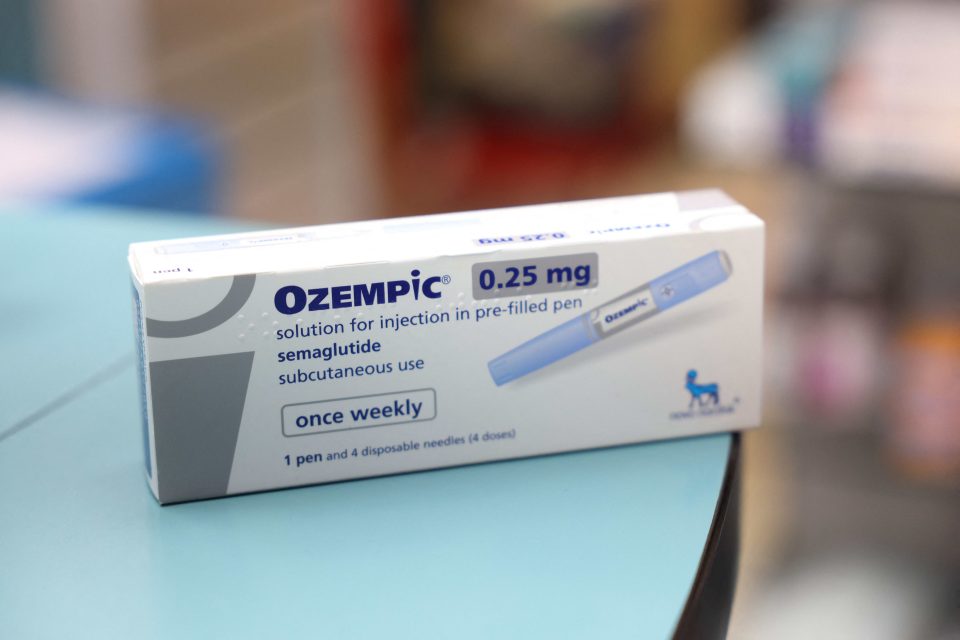
Novo Nordisk (Nasdaq: NVO) made headlines today with a move that could mark a turning point for self-paying Americans managing diabetes and obesity. The Danish pharmaceutical company announced that it is slashing the price of its blockbuster drug Ozempic to $499 per month for patients in the U.S. without insurance coverage or those who pay cash, offering nearly a 50% reduction from the typical retail list price that often exceeds $1,300 monthly. This discounted price will also apply to Wegovy, Ozempic’s weight loss-focused sibling.
The offer is available for all doses and is the same whether you go through Novo Nordisk’s own NovoCare pharmacy or the popular savings platform GoodRx, now accepted at over 70,000 pharmacies across the country. If you’re eligible and pay cash, you can now access FDA-approved Ozempic at a cost that was previously out of reach for many U.S. consumers, no insurance necessary.
This move isn’t just about undercutting the list price. It’s a visible response to both patient demand and increasing pressure from lawmakers and advocacy groups in the United States to lower drug costs for vulnerable populations. In particular, President Trump pushed pharmaceutical companies to explore direct-to-consumer pricing methods as a way to drive down high out-of-pocket expenses. Novo Nordisk’s price cut is the most prominent step in this direction for a high-profile GLP-1 medication in the U.S. to date.
Why now? And what does it mean for Americans?
The American prescription drug system is notoriously convoluted, with pharmacy benefit managers, insurance plans, coupons, and rebates making it hard for anyone to see the real price. For years, many patients without adequate insurance simply went without, as the true out-of-pocket cost for a month’s supply of Ozempic often topped $1,300, depending on dose and pharmacy. This left millions of Americans, especially those with Type 2 diabetes but no reliable insurance, blocked from access to a treatment that’s shown to lower blood sugar, support weight loss, and reduce cardiovascular risk.
Novo Nordisk didn’t say how long the $499 price point will last, but the company is making it available for three dose sizes and through multiple distribution channels. While Ozempic and Wegovy are similar in active ingredient, their official indications differ, and access programs like this aim to capture a broader audience, including those who don’t qualify for insurance coverage through Medicaid, Medicare, or employer-based plans.
It’s also clear this is part of Novo Nordisk’s ongoing effort to keep its brand top of mind while navigating the complex American healthcare environment and ongoing political scrutiny over drug pricing. The direct-to-consumer strategy aims to make genuine, FDA-approved products more appealing than unregulated sources or gray-market alternatives. This could pay off for both patients and the company, given the growing number of reported counterfeit GLP-1 products in circulation.
Today’s announcement marks the most significant shakeup in GLP-1 drug pricing in the U.S. this year. Novo Nordisk’s willingness to experiment with the direct cash-pricing route could pressure other makers, like Eli Lilly, whose Mounjaro and Zepbound compete in the same space, to rethink the way they serve uninsured Americans.
For now, uninsured patients or those whose coverage still leaves Ozempic out of reach could see their monthly bills fall by hundreds, if not over $800, if they take advantage of the new offer.
