
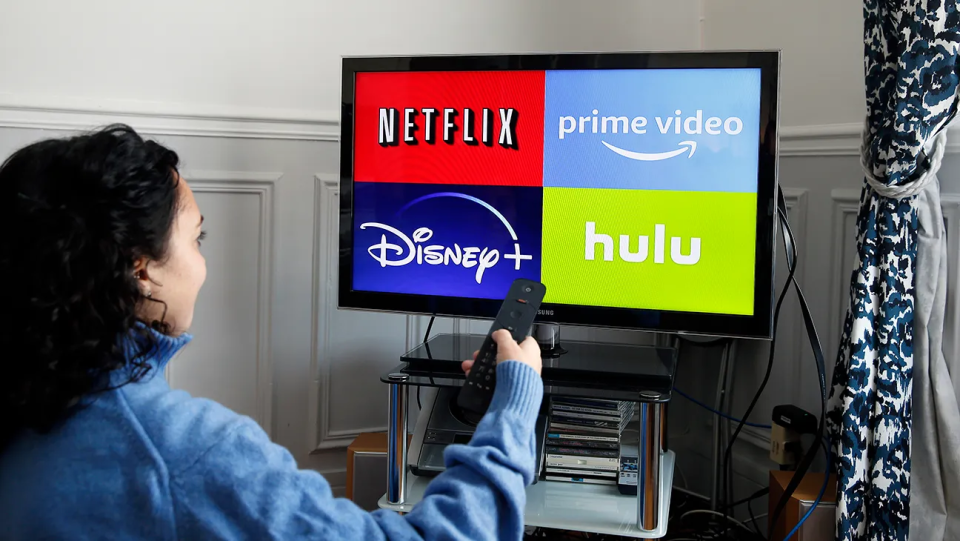
In July 2025, streaming services in the United States reached another significant milestone, commanding a record 47.3% share of all television viewing. This figure marks the sixth straight month that streaming platforms have set a new high, continuing a clear long-term trend where viewers are shifting from traditional cable and broadcast TV to digital streaming. According to Nielsen data, streaming’s share rose from 46% in June and is roughly six points higher than the 41.4% it held in July 2024.
This ongoing growth in streaming consumption comes primarily at the expense of cable TV, which accounted for just 22.2% of viewing in July, down from 23.4% the previous month. The decline in cable viewership was sharply influenced by a double-digit drop in news and sports programming coverage compared to June, which are usually strong holdouts for cable audiences during much of the year. The July Nielsen reporting period spanned June 30 to July 27.
The rise of streaming is not a sudden spike but rather part of a consistent pattern that has unfolded over years. Streaming’s share of total TV usage has surged 71% since 2021, a development that has reshaped the whole media landscape. Platforms such as YouTube, Netflix, and others continue to drive this shift, with expanding library offerings and growing user engagement. In fact, YouTube alone achieved a record 13.4% share of total TV viewing in July, while Netflix held a strong second place with 8.8%.
Netflix has particularly stood out among subscription video on demand (SVOD) services. It has maintained the largest share of total TV usage for years, consistently leading with popular originals and licensed content. The service also benefits from what industry insiders call the “Netflix Effect,” where shows gain substantially broader audiences once available on Netflix, with hits like “Untamed,” “Sullivan’s Crossing,” and “Blindspot” topping streaming charts in recent weeks.
Interestingly, the growth in streaming has come alongside some resilience in traditional television categories despite their declines. Cable has retained some viewership thanks to news cycles and sports events like the NBA playoffs, even if overall cable viewing shrinks. Broadcast TV, meanwhile, experienced particularly notable drops in recent months, falling below 20% share in June for the first time ever, but still remains a factor during major live events.
The shift towards streaming also reflects changes in viewer demographics and habits. With schools out for summer, children and teenage audiences have been a major force behind streaming’s momentum, with young viewers increasing their TV consumption by 27% from May to June and favoring streaming services for roughly two-thirds of their viewing. This highlights a generational shift that media companies are closely tracking.
Advertisers and content producers are responding to these seismic shifts as well. With streaming constituting nearly half of all TV consumption, there is a growing emphasis on ad-supported streaming and hybrid models, blending subscription and free, ad-based viewing options. This evolution offers new ways to reach consumers and influences content production strategies across the board.
July’s Nielsen data confirms a media environment where streaming is not just competitive but dominant on television screens in the U.S. The balance between streaming, cable, and broadcast may ebb and flow with sports seasons and major live broadcasts, but the overall trajectory is clear: streaming’s share of viewing is rising steadily, redefining the economics and distribution of television for the foreseeable future.
Nielsen’s data through late July shows how far we have come in a few short years and suggests what most industry observers anticipated, traditional cable’s grip is loosening, and the screen in your living room is increasingly dominated by content delivered over the internet rather than through a coaxial cable or an antenna.
