
[stock_market_widget type=”card” template=”basic2″ assets=”GOOG” realtime=”true” api=”yahoo-finance”]
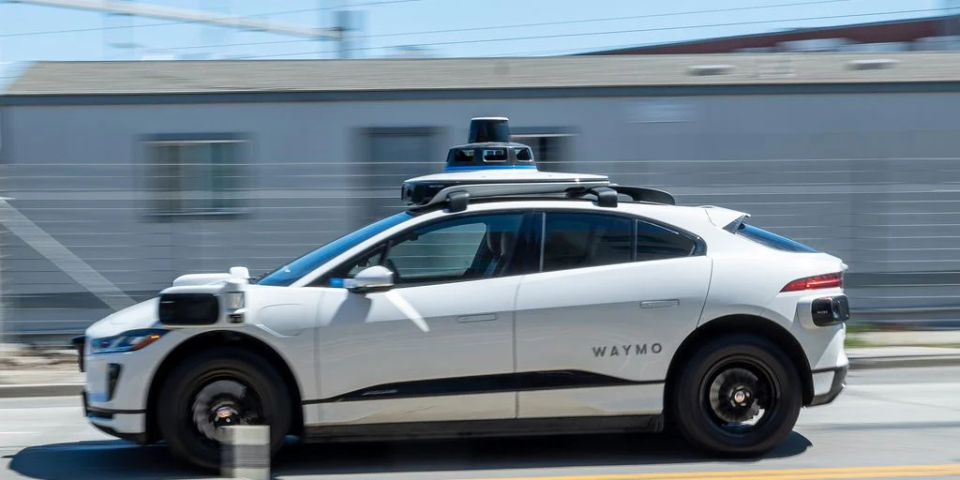
Waymo (NASDAQ: GOOG), the autonomous driving subsidiary of Alphabet, has taken a significant step toward bringing its self-driving technology to New York City, marking an important milestone in the evolution of urban mobility. The New York City Department of Transportation (DOT) has issued Waymo its first-ever permit to test a limited number of autonomous vehicles in Manhattan and Downtown Brooklyn. This approval, announced by Mayor Eric Adams and DOT officials, initiates testing that will continue through late September 2025, with the potential for extension.
The permit allows Waymo to operate up to eight autonomous vehicles in these high-density areas under what the city describes as the nation’s strictest autonomous vehicle safety regulations. Critical to this pilot program is the requirement that a trained specialist remains behind the wheel at all times, ready to intervene if necessary. This reflects a cautious yet progressive approach from New York City, which is carefully balancing its commitment to innovation with the need to safeguard its famously busy streets.
Mayor Adams said the city is committed to fostering technology that advances transportation yet prioritizes safety for all. He noted that welcoming Waymo marks a first step toward modernizing the city’s transportation landscape in the 21st century. The DOT Commissioner, Ydanis Rodriguez, highlighted that these new rules are designed to ensure public safety while the technology develops amid New York’s uniquely challenging urban environment.
Waymo’s entrance into the city comes after the company filed for permits earlier this year and amid an aggressive nationwide expansion. The company already runs autonomous taxi services in cities such as Phoenix, San Francisco, Los Angeles, and Austin, and it recently announced plans to start operations in additional cities including Las Vegas, San Diego, Atlanta, Miami, Washington, D.C., and Philadelphia. These expansions reflect growing confidence in Waymo’s technology after surpassing more than 10 million rides across five major U.S. metropolitan areas, all completed with a solid safety record.
The pop-in of autonomous vehicles in Manhattan and Brooklyn is viewed as a cautious “testing phase,” according to Waymo’s public policy head Annabel Chang. She emphasized the company’s collaborative approach with city officials, stressing a shared goal of responsible deployment and continuous monitoring through regular meetings and data submissions to the DOT. Waymo also certifies adherence to industry best cybersecurity practices as part of their permit conditions.
New York State currently prohibits fully driverless operation on public roads, so a human driver is legally required for now. While some states are allowing more advanced autonomous operations, Waymo intends to advocate for changes in New York law to enable driverless service in the future. The city’s autonomous vehicle pilot strictly forbids these cars from providing for-hire service without a traditional taxi or limousine commission license.
Waymo’s cautious but deliberate entry into NYC’s complex transit ecosystem is significant for several reasons. New York City’s roads present a formidable challenge for autonomous driving technology due to heavy traffic, dense pedestrian activity, and varied road conditions. Successfully navigating this urban labyrinth would represent a major step forward in proving the viability of driverless vehicles in the country’s most populous city.
The pilot test is also important because of the broader implications for urban mobility and road safety. Groups such as Mothers Against Drunk Driving (MADD) have voiced cautious optimism that autonomous vehicle technology, when implemented responsibly, could reduce accidents caused by impaired or distracted driving.
While the initial phase limits testing to eight vehicles with operators behind the wheel, the New York permit signals a new chapter for autonomous vehicles in the city, potentially paving the way for more widespread adoption. Waymo’s careful compliance with the city’s rigorous safety standards and successful deployment in other challenging metropolitan markets show a dedication to getting the details right.
With Waymo’s growing footprint and ongoing collaboration with regulatory authorities, the city and company alike are learning from these real-world trials. They aim to evolve urban transportation toward a future where autonomous vehicles may become a common, trusted part of the city’s transit fabric.
This move by Waymo is both a technological milestone and a practical experiment in adapting cutting-edge self-driving technology to one of the most complex urban environments in the world. The coming months in Manhattan and Brooklyn will be an important test, not just for Waymo, but for the future of autonomous mobility in major cities.
