
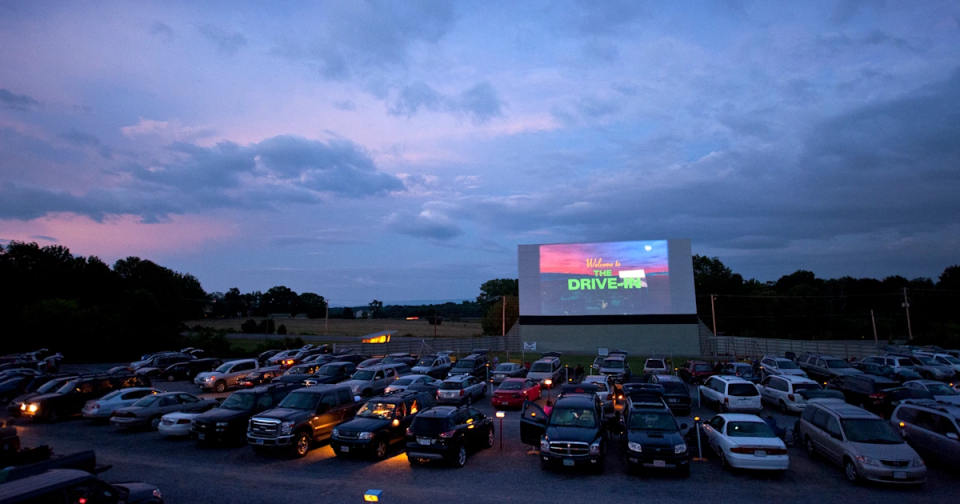
Drive-in movie theaters experienced an extraordinary resurgence during the pandemic, a period when the traditional movie business looked closer to folding than ever. Now, several years beyond those tense early pandemic months, the humble drive-in is still giving Hollywood a small but meaningful bump, proving that old-school ways sometimes offer lasting value if you’re willing to pay attention.
Back in the spring and summer of 2020, conventional theaters across the United States grappled with shutdowns or strict capacity limits, as public health measures took top priority. With people desperate for ways to safely enjoy a night out, drive-ins, once pushed to the margins of the industry, suddenly became a lifeline. In a stunning reversal, drive-in theaters generated 85% of domestic box office revenue from late March through mid-August 2020, according to industry analytics company Comscore. That’s a jaw-dropping leap from their mere 2.9% share during the same stretch of 2019.
For many younger film fans, these months marked their first-ever visit to a drive-in. For others, a new sense of nostalgia took hold as families once again gathered in cars, tuning radios to the theater’s broadcast and watching blockbusters, or more often, vintage classics, projected under open skies. Moviemakers adjusted on the fly, dusting off older hits and even tailoring some releases specifically for the format, knowing drive-ins were one of the few operational windows still open.
Of course, as vaccination rates climbed and restrictions eased, mainstream theaters got back to business. Multiplexes reclaimed their place as the primary venue for new releases, giving major studios and exhibitors a long-awaited shot at recovery. Yet, the role that drive-ins played during those darkest days has delivered a lasting boost, keeping a devoted base of operators humming along and reminding the whole industry about the value of creative adaptation in the face of disruption.
Even now, drive-ins represent only a fraction of the overall U.S. box office. But for some titles and studios, they offer strategic advantages, especially for films with cross-generational appeal or smaller marketing budgets. Operators routinely host themed double features, community-centric events, or special screenings that you just won’t find at the megaplex. This approach isn’t just a relic from a quirky past; it’s a genuine differentiator, blending nostalgia with practical benefits. In an era when so much entertainment is experienced in isolation, drive-ins give audiences the chance to create memories in a shared, if unconventional, setting, without actually sharing confined indoor space.
There’s a persistent myth that drive-ins are dying, stubbornly clinging to the margins of the business. Reality is more nuanced. Given the relatively low overhead spaces and decades-old infrastructure, many drive-ins remain family-run; these are not your typical big-corporation movie houses. Operating with leaner margins and a focus on local community engagement, independent drive-ins have managed to maintain steady, if modest, profitability by offering something distinct from the blockbuster-focused multiplex, namely, an experience designed for families, couples, friend groups, and anyone who wants more than just a movie.
Studios and distributors are watching. While the numbers aren’t on the scale of a holiday tentpole opening weekend, smart distributors recognize that a dollar’s a dollar, and that the goodwill generated by supporting drive-in events and unique screenings translates into valuable brand equity down the line. The data shows spikes in box office revenue during periods of mainstream disruption, and while that spike has normalized, interest remains meaningfully above pre-pandemic levels.
The pandemic forced an entire industry to confront its assumptions about how, when, and where people consume movies. In that scramble, drive-ins didn’t just help theaters stay afloat, they brought them a little closer to the communities they serve. That’s a legacy worth keeping, even as the spotlight moves elsewhere.
