
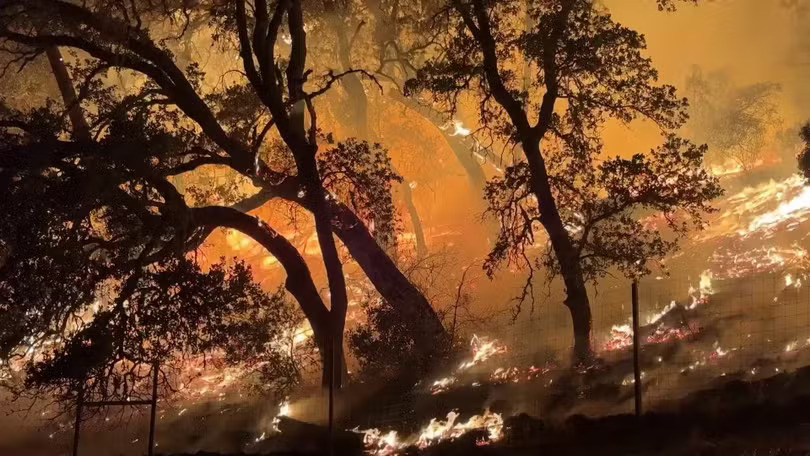
Thousands of residents in Northern California’s wine country and central Oregon spent Sunday packing up essentials and anxiously watching smoke-filled skies as wildfires ripped across the region. Crews have scrambled to contain the blazes but record dry conditions and persistent heat have fueled rapid growth, forcing tough decisions for families, farmers, and first responders. It’s the latest jolt for rural economies built on premium wines, tourism, and agriculture, raising questions about both immediate safety and the region’s long-term resilience.
Compared to this time last year, the scope of the wildfires is striking: The number of acres burned and homes evacuated is already surpassing summer 2024’s totals. Fire officials confirmed that in Sonoma and Napa counties alone, more than 15,000 acres have burned so far this August, with roughly 3,200 homes either evacuated or under warning orders as of Sunday morning. In central Oregon, similar scenarios are playing out near Bend and surrounding communities, as several fires have destroyed buildings and triggered evacuation alerts for more than 2,100 homes.
The record heat is not helping the situation. Temperature readings in the affected areas have regularly exceeded 100°F, complicating firefighting efforts and leading officials to issue red flag warnings. Last year, these counties experienced fires later in the season with much less intensity, thanks partly to a milder summer and heavier spring rains. By the end of last August, only about 7,000 acres had been burned collectively in the same Northern California zones. Firefighting agencies credit this year’s escalation to the ongoing drought and depleted soil moisture, making forests and grassland more vulnerable to flames.
Calls for mandatory evacuations spread quickly as spot fires advanced toward wineries, orchards, and historic town centers. The threat to the wine industry is especially acute: Growers report smoke taint concerns from previous fire seasons, but the current rapid approach of the fires has brought new urgency to vineyard evacuations and crop protection measures. Some winemakers have taken the costly step of prematurely harvesting grapes to try and save part of the yield, fearing that lingering ash and smoke could ruin this season’s vintage.
Central Oregon is facing its own challenges, especially for communities along the Deschutes River. Last year’s biggest concern was scattered smoke and limited evacuations, but this season has already surpassed that with several towns seeing highway closures and shelter-in-place directives for vulnerable populations. Local businesses have braced for a slower tourist season, compounded by safety concerns and disrupted travel routes.
While early numbers are sobering, fire officials maintain cautious optimism. Improved fire mapping, access to next-generation firefighting drones, and increased water-dropping helicopter flights have slowed the advance in some zones, giving crews a fighting chance. However, with two months left in the traditional wildfire season and record temperatures forecasted for September, local governments are urging residents to stay alert and review emergency plans.
Outside the immediate danger, business owners are bracing for the ripple effects: reduced tourism, possible supply chain disruptions for wine and produce, and insurance headaches, all factors familiar from previous seasons, but amplified this year. The economic landscape will depend on both the speed of containment and the severity of damage once the hills stop burning.
