
[stock_market_widget type=”card” template=”basic2″ assets=”ULCC” realtime=”true” api=”yahoo-finance”]
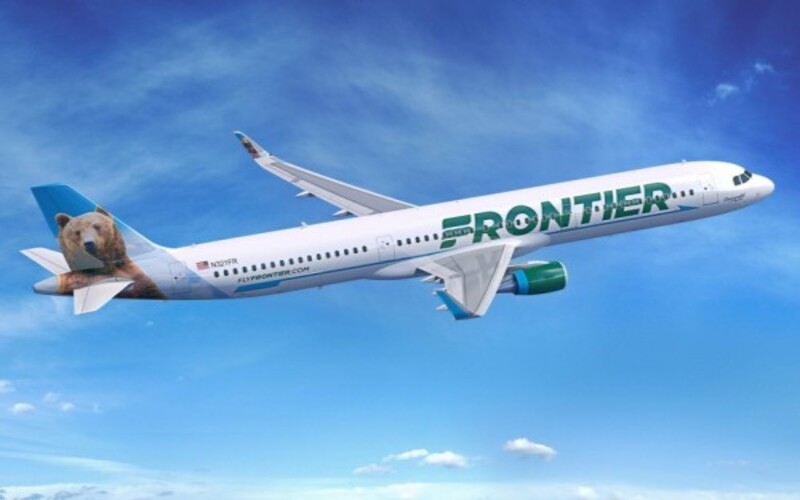
Frontier Airlines (NASDAQ: ULCC) is making a bold move to attract customers from its budget airline rival Spirit Airlines by launching 20 new routes into major Spirit markets. The new routes, set to start this winter, overlap significantly with Spirit’s network, including key hubs like Fort Lauderdale, Detroit, and Houston. Frontier CEO Barry Biffle shared that the expansion aims to ensure travelers in those areas continue to have affordable flight options amid Spirit’s ongoing financial struggles.
This expansion comes at a time when Spirit Airlines is facing serious financial challenges. The company posted a $246 million loss in the second quarter, a reflection of its ongoing turbulence, even after emerging from bankruptcy protection. Spirit’s weakened state has opened a window for competitors to swoop in. Frontier’s plan to add 20 routes includes some fares starting as low as $29, a clear attempt to lure price-sensitive travelers away from Spirit. The airline now overlaps with Spirit on 35% of its capacity, more than with any other carrier, which highlights how directly it is targeting Spirit’s customer base.
Biffle’s ambition is clear. While Frontier has repeatedly tried, and failed, to acquire Spirit since 2022, he is not shying away from competition. On CNBC, he declined to discuss acquisition plans but acknowledged that Frontier aims to climb to the top of the ultra-low-cost carrier segment in the United States. The airline’s strategy is to strengthen its network where Spirit has a stronghold and pick up market share should Spirit continue to falter. The recent announcement follows increased operational activity by Frontier, including launching 35 new routes earlier this year and preparing for fleet upgrades with new Airbus deliveries.
Spirit, on the other hand, has been reluctant to accept Frontier’s acquisition offers, rejecting them multiple times as recently as early 2025. The bankruptcy proceedings and restructuring have been a complex process, with Spirit’s management believing the proposed deals undervalued the company. Despite Frontier’s offer including a 19% stake in the combined carrier and debt restructuring, Spirit prioritized its independent recovery strategy, further complicating any merger prospects.
Frontier is not without its own challenges. The company reported a $70 million net loss in the second quarter but remains optimistic about turning profitable in 2026. Biffle has warned that the industry as a whole is likely to see cuts in domestic flight capacity as carriers rationalize routes that are losing money. Frontier intends to rely on its cost advantages and investments in premium service options, such as expanding first-class seating, to stay competitive. The airline also saw a 40% increase in loyalty program revenue year over year, which Biffle views as a sign the business can sustain growth despite the tough landscape.
What this means for travelers is a shift in the ultra-low-cost airline market. As Frontier aggressively adds routes in Spirit’s areas, the latter is working to stabilize its finances and restructure its operations. Passengers might see fewer options from Spirit if it cannot recover fully, and Frontier could become the dominant budget choice in key leisure markets. The competition between the two carriers in the coming months will be a key trend to watch as the budget air travel segment recalibrates itself.
