
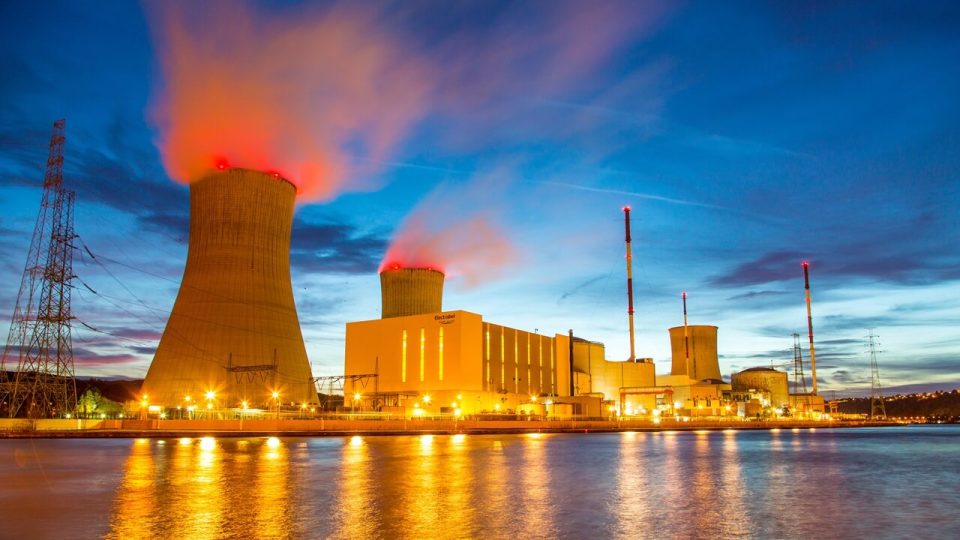
Growing electricity demand from AI and data centers is fueling a renewed interest in nuclear energy, boosting prospects for uranium enrichment and related industries. As artificial intelligence projects multiply and data centers expand rapidly, these facilities need reliable, clean, and constant power. Nuclear energy, known for its high output and zero emissions, is stepping forward as a solution to meet this surging demand, opening new opportunities along the nuclear fuel cycle.
The global shift toward nuclear energy is driven largely by the need for low-carbon electricity sources to power massive AI data centers. With inference workloads projected to grow at a 122% compound annual rate through 2028, the power requirements for data centers are rapidly escalating. These centers demand continuous, high-quality power to handle billions of requests and processing hundreds of trillions of tokens daily. While renewables like wind and solar play a role in the energy mix, their intermittent nature poses challenges to meeting 24/7 data center needs. Nuclear, with a capacity factor exceeding 92.5%, surpasses other sources like wind (35%) and solar (25%) in delivering reliable baseload energy that does not depend on weather conditions or grid fluctuations.
Nuclear plants generate substantial energy densities, typically producing around 1 gigawatt each. This output is equivalent to powering multiple large-scale data center campuses. Additionally, nuclear power generates virtually no greenhouse gas emissions, aligning with global net-zero commitments and the sustainability goals of tech giants investing heavily in AI infrastructure. Co-locating nuclear plants near data centers also improves grid stability by reducing transmission losses and lessening stress on existing energy networks, a crucial factor as data centers grow in regions like Northern Virginia, which face grid congestion.
The uranium enrichment and conversion sector stands to benefit significantly from this nuclear expansion. The global uranium enrichment and conversion market is valued at around $1.125 billion in 2025 and is expected to grow at a CAGR of 10% until 2033. This growth is driven by rising investments in nuclear power plants worldwide, especially in Asia, where energy demand and nuclear construction projects are booming. The market’s expansion is also supported by advancements in enrichment technologies that increase efficiency and reduce costs, alongside a growing emphasis on nuclear fuel cycle sustainability and security.
Leading companies are actively enhancing production capabilities and upgrading enrichment facilities to meet the demand surge. Yet, the sector faces obstacles including strict regulatory frameworks designed to ensure nuclear safety and address waste management, as well as geopolitical risks from uranium supply chains centered in unstable regions. Despite these challenges, the industry remains confident in its long-term prospects driven by the critical role nuclear power plays in global energy security and decarbonization efforts.
Recent years have witnessed major technological strides, with the development of Small Modular Reactors (SMRs) offering promising potential to cut construction times and costs. These compact reactors can generate up to 300 megawatts and are seen as a flexible solution to provide dedicated power to data centers either connected to the grid or operating independently. Although SMRs are still several years from wide commercial deployment, expected around 2030, they underline the growing innovation momentum in the nuclear sector to meet AI-driven energy needs.
Investment by big tech companies also highlights nuclear’s resurgent appeal. In the United States alone, these companies have signed contracts for more than 10 gigawatts of new nuclear capacity within the past year, signaling confidence in nuclear energy’s reliability and sustainability. Estimates suggest that at least 85 to 90 gigawatts of additional nuclear capacity will be required globally by 2030 to meet new data center load growth, although less than 10% of this will be available by that timeline. Therefore, a diverse energy mix including natural gas, renewables, and battery storage will complement nuclear in powering future AI infrastructure.
Power demand from data centers is expected to almost quintuple by 2035 in the US alone, reaching about 176 gigawatts. New nuclear power capacity, depending on scale and regulatory momentum, could supply around 10% of this increase. This marks a significant shift from past decades when nuclear contributed a stable but relatively small share of total electricity generation. As data centers become central to the digital economy and AI proliferation, the nuclear sector’s role is transitioning from niche player to key enabler of large-scale, clean electricity generation.
The growth in nuclear energy thus creates a ripple effect benefiting not just power producers but also uranium miners, enrichment firms, and fuel fabricators. The entire supply chain benefits from increased investment and demand, offering new business opportunities amid rising global commitments to carbon reduction. For investors and industry participants, this expanding nexus between AI-driven electricity demand and nuclear power signifies a strategic arena to watch closely.
