
[stock_market_widget type=”card” template=”basic2″ assets=”8JC.F” realtime=”true” api=”yahoo-finance”]
In a development that could shift the landscape for critical metals in the U.S., Metallium Ltd. (ASX: MTM, OTCQX: MTMCF) just landed its first Small Business Innovation Research (SBIR) contract from the Department of Defense. The $66,150 (A$100,000) award is more than just a modest outlay, it’s Metallium’s entry point into a big conversation about domestic gallium recovery and reducing reliance on foreign resources. For a company based in Houston with a technology spun out of Rice University’s labs, this contract is validation that its proprietary approach deserves federal attention.
Metallium runs its U.S. operations through Flash Metals USA Inc. and the active project will be managed by its Texas subsidiary. The group is teaming up with Rice University’s Tour Group, which was instrumental in developing the Flash Joule Heating (FJH) process. This technique, which Metallium holds the patent for, allows for fast, energy-efficient extraction of metals from concentrated waste. The SBIR funding comes via the Defense Logistics Agency’s push to secure reliable sources for materials categorized as “critical”, with gallium high on that list due to defense, semiconductor, and communication applications.
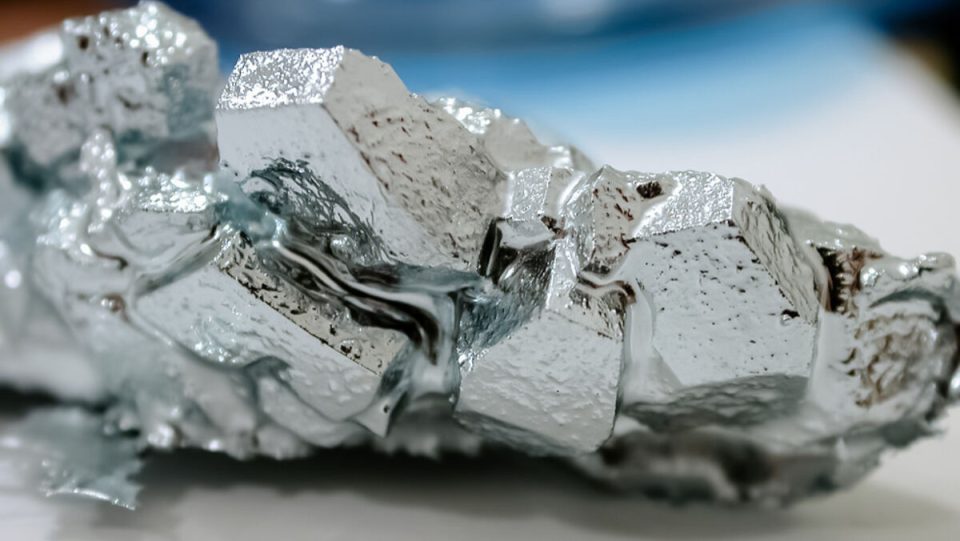
The focus is on gallium, which shows up in LED scrap and other gallium-rich waste streams. These materials don’t just contain gallium; they yield germanium and other strategic metals as well. Over the coming six months, Metallium and collaborators at Rice will demonstrate that their technology can extract and separate these metals at an operational site in Chambers County, Texas. If all goes well, the door opens for a much larger second phase. Metallium expects to seek Phase II SBIR funding, up to $1 million, aimed at scaling this breakthrough to pilot level. That would position the company for a full commercial rollout at the same Texas location, building critical supply chain infrastructure for gallium and expanding into germanium and other specialties.
It’s tempting to see the $66,150 (A$100,000) award as a minor win, but Metallium’s CEO Michael Walshe is quick to push back on that view. For him and the company, the real prize is credibility: official support from the Department of Defense. “By demonstrating our technology for gallium recovery, we continue to build U.S.-based solutions that can reduce reliance on foreign supply chains and directly support national security priorities,” he noted. And the need is clear. U.S. supply of gallium overwhelmingly comes from overseas, and not always from friendly markets. Bringing the FJH process to bear gives the U.S. a homegrown route to critical metals that would otherwise stay locked in waste streams or require foreign dealings¹².
The Flash Joule Heating process is a key piece of Metallium’s value proposition. Developed at Rice University, FJH is all about extracting metals efficiently from high-grade waste. The technique is particularly good at handling mineral concentrates and e-waste, such as refinery scrap and monazite. It’s not just gallium; the same process can target germanium, antimony, rare earth elements, and even gold. Metallium is betting that the ability to operate on “domestic waste” rather than imported raw materials will be a game-changer for supply chain resilience and national security².
Metallium isn’t stopping with Texas. The company recently acquired its first U.S. commercial site there, with options out for two more in Massachusetts and Virginia. The play is simple: prove the technology at a meaningful scale, bring in larger SBIR support and private partners, and eventually launch full commercial-scale recovery of critical metals. The partnership with Rice University’s Tour Group is another plus, tying academic expertise to real-world execution¹².
For a sector long dogged by worries about foreign dependence, Metallium’s first SBIR contract may be a small financial step, but it is a big leap in credibility and potential impact. As supply chains tighten and strategic materials grow ever more vital, efforts like Flash Joule Heating are poised to matter more than ever.
