
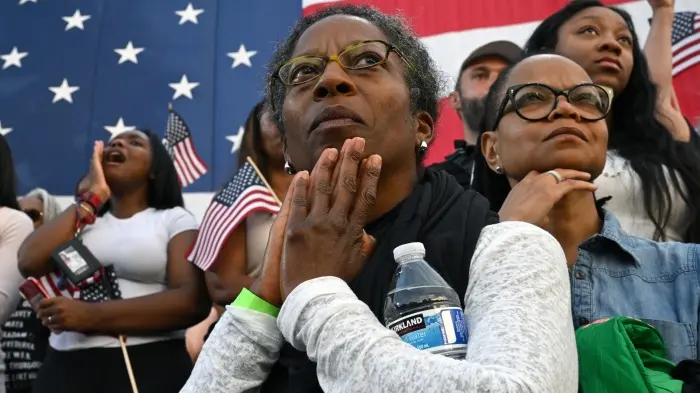
In a development that has unsettled many observers, the United States has found itself on the CIVICUS Monitor Watchlist in 2025. This list, which draws global attention to countries experiencing significant threats to civic freedoms and human rights, now includes the U.S. alongside nations traditionally criticized for such violations. The inclusion highlights a troubling pattern of escalating government actions perceived as undermining fundamental democratic principles and civil liberties within the country.
The CIVICUS Monitor has categorized the civic space in the U.S. as “narrowed,” meaning that while many citizens retain their rights, there are growing and sustained attempts by the government to restrict those freedoms. This situation contrasts starkly with the country’s historical image as a champion of democracy and free expression. Reports of increased military deployment to control protests, mass arrests, and targeted restrictions on freedom of speech and press have been central to these concerns.
One of the most striking developments in 2025 has been the expanded use of military forces to respond to protests. Unlike past practices where state governors typically control the National Guard, the federal government has taken unilateral actions. For instance, thousands of National Guard troops were deployed to cities like Los Angeles in response to largely peaceful protests against immigration raids. This federal intervention marked a rare and controversial assertion of authority, with critics arguing it blurred the lines between military and civilian law enforcement roles. The use of rubber bullets and tear gas against demonstrators, coupled with the president’s warnings that protests would meet “very heavy force,” signaled a hardening approach to dissent that many human rights organizations have condemned as excessive and dangerous.
Beyond the streets, journalists and media organizations in the U.S. are facing heightened pressures. Freedom of the press, once a given in the American democratic landscape, is now under significant strain. The government has been accused of targeting reporters, limiting press access to official events, and undermining funding for independent media outlets. Additionally, regulatory maneuvers and aggressive rhetoric against news organizations have contributed to a climate of intimidation. These actions threaten the public’s right to information and undermine the watchdog role that a free press plays in holding power to account.
Federal funding cuts have also targeted civil society organizations that advocate for human rights, justice, and inclusion. The dismantling and reduction of support for agencies like USAID have had ripple effects on groups that provide critical services to marginalized communities both domestically and abroad. Legislative restrictions have further hampered protest rights, and there are reports of increased arrests specifically aimed at silencing dissenters, such as student activists and immigrant advocates.
The cumulative effect of these actions paints a picture of shrinking civic space in the United States. Human rights groups such as Amnesty International and the Committee to Protect Journalists have voiced alarm over what they describe as an unprecedented assault on democratic norms. They warn that the strategies being implemented threaten the protections enshrined in the U.S. Constitution and may lead to long-term damage to the nation’s democratic institutions.
This moment marks a significant shift from past decades and positions the U.S. in a challenging role on the global stage. Countries historically criticized for their human rights records now see the U.S. listed alongside them on international watchlists. Observers note that such a trajectory could undermine American claims of leadership in promoting democracy and human rights worldwide.
Addressing these concerns calls for a recommitment to respecting civil liberties, ensuring accountability for actions that suppress civic freedoms, and safeguarding the independence of the press and civil society. The current climate of heightened government control and punitive responses to dissent risks deepening social divisions and eroding the trust necessary for a healthy democracy.
The United States’ inclusion on the CIVICUS Monitor Watchlist serves as a stark reminder that democratic freedoms require constant vigilance and protection. The powerful civic institutions and legal safeguards that have historically defined the country’s democratic fabric now face critical tests in 2025, emphasizing the urgent need for renewed dialogue, accountability, and respect for human rights.
