
[stock_market_widget type=”card” template=”basic2″ assets=”AAPL” realtime=”true” api=”yahoo-finance”]
Apple (NASDAQ: AAPL) unveiled its latest lineup of products, including the iPhone 17 Pro, iPhone 17 Pro Max, iPhone Air, as well as new Apple Watch and AirPods models. The launch arrives at a time when Apple faces growing pressure to demonstrate its capabilities in artificial intelligence and respond to intensifying competition worldwide.
The iPhone 17 Pro and Pro Max introduce several notable upgrades. Powered by the new A19 Pro chip, these models deliver Apple’s strongest performance to date. A standout enhancement is the triple 48MP Fusion camera system with an 8x telephoto zoom, the longest optical-quality zoom Apple has offered on an iPhone. The front-facing camera now features an 18MP Center Stage capability, improving selfies and video calls considerably. Durability has also been boosted with the new Ceramic Shield 2 front cover that provides three times better scratch resistance, while the back features similar Ceramic Shield protection for the first time.
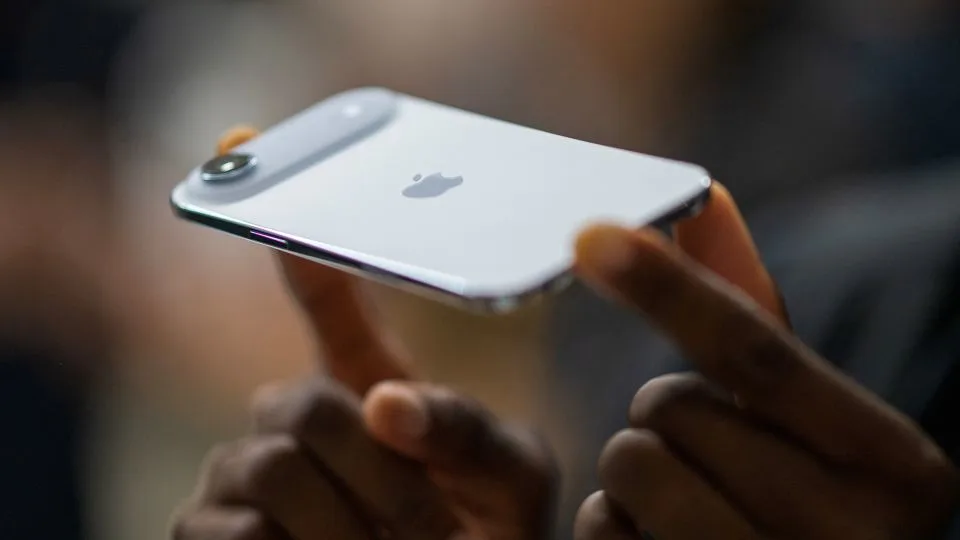
Apple also introduced the iPhone Air, which is remarkably thin at 5.6mm and weighs just 165 grams. It offers advanced camera technology and long battery life within a lightweight design, appealing to users who want portability paired with strong performance.
The new phones come preloaded with iOS 26, which brings improvements to Apple Intelligence and a refreshed user interface featuring Liquid Glass effects. These software features aim to enhance personalization and usability across Apple’s ecosystem. Pre-orders began on September 12 and the devices officially went on sale today globally.
Early reports suggest that the base iPhone 17 has exceeded expectations, helped by Apple maintaining the same price as the previous model while upgrading memory and internal components. According to Le Xuan Chiew, a research manager at Omdia, this pricing strategy has helped the iPhone 17 gain traction among consumers. In China, where Apple has struggled with competition from local brands like Huawei and Xiaomi, demand appears strong with hundreds lining up at flagship stores in Beijing for the launch. Chinese e-commerce data from JD.com indicates preorder volumes for the iPhone 17 series have surpassed those of the iPhone 16 last year during the same period, signaling renewed consumer interest.
Alongside the new phones, Apple launched the Apple Watch Series 11, Ultra 3, and SE 3 models. Series 11 adds features focused on health and fitness, including sleep score insights and up to 24 hours of battery life. The Ultra 3 model caters to outdoor adventurers with satellite communication for Emergency SOS, messages, and location sharing, plus battery life reaching up to 42 hours. Meanwhile, the SE 3 enhances performance with additional features like wrist temperature tracking and an Always-On display, all at a more accessible price point.
Apple also upgraded its AirPods Pro with the AirPods Pro 3. Noteworthy enhancements include improved noise cancellation and live translation capability, allowing users to hold real-time conversations across languages. The updated design improves in-ear fit and adds heart rate monitoring during workouts.
Despite the strong hardware launch, Apple continues to face questions about its artificial intelligence roadmap. The company is developing an AI-powered search engine integrated with Siri and Safari, expected to debut next year to compete with offerings from rivals like OpenAI and Google.
This product cycle offers Apple a chance to regain momentum with compelling devices and competitive pricing, especially in key markets like China. The expanded ecosystem of wearables and audio products also helps keep customers engaged.
