
[stock_market_widget type=”card” template=”basic2″ assets=”9921.TW” realtime=”true” api=”yahoo-finance”]
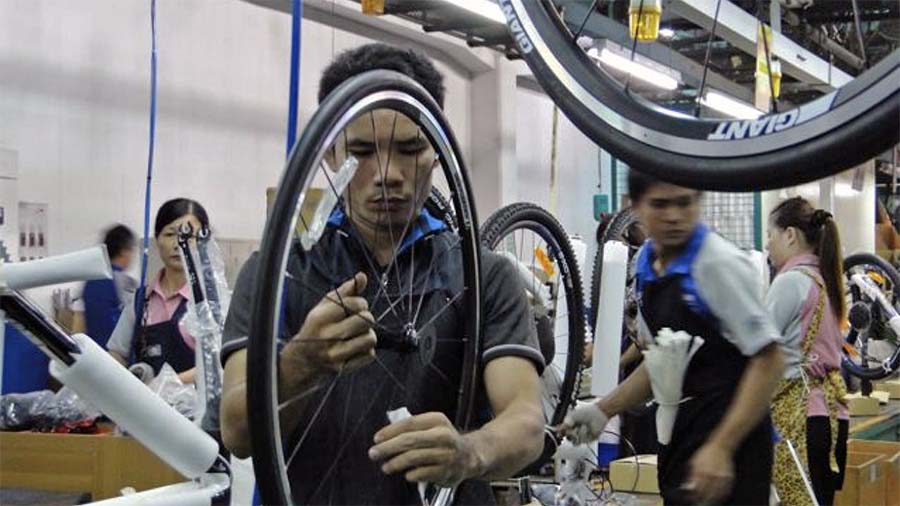
Giant Manufacturing Co. Ltd. (Taiwan: 9921), the world’s biggest bike manufacturer, found itself in an unanticipated situation after United States Customs and Border Protection issued an immediate order to detain all bikes, parts, and accessories made by the company in Taiwan. The move stems from an investigation that revealed what officials described as “indicators of forced labor” within Giant’s manufacturing process. This sudden action has left both industry insiders and Giant’s leadership scrambling to make sense of the disruption.
When news of the ban broke on Wednesday, Giant was quick to respond, telling CNN that the company had not previously been aware of any ongoing U.S. scrutiny into its Taiwan operations. Giant also made clear that it plans to file a formal petition to challenge CBP’s decision, hoping to get the ban revoked as soon as possible. In the meantime, Giant says it will cooperate fully with U.S. authorities in trying to resolve the allegations and clarify its position.
The timing of this ban could hardly be worse for Giant. As the largest player worldwide in bike manufacturing, Giant has become a trusted supplier for countless American retailers and consumers. For years, U.S. bike shops have relied on Giant’s breadth of product lines, their competitive price points, and the flexibility offered by the company’s global supply chain. With the sudden interruption, there’s immediate concern among store owners about delays to both shipments and product availability as this situation unfolds.
The challenge for Giant goes beyond logistics. Forced labor accusations can have real impacts on any company’s brand reputation, even if they turn out to be unfounded. Consumers today pay close attention to supply chain transparency. Many are wary of supporting brands that fall short on ethical standards, and retailers often feel additional pressure to avoid products caught up in controversy. At the same time, this ban highlights how quickly U.S. regulatory action can reverberate across global suppliers, especially in industries where manufacturing is concentrated in countries facing regulatory scrutiny for labor practices.
For Giant, defending itself in the U.S. market means demonstrating not only compliance, but also transparency regarding labor conditions at its facilities in Taiwan. The company will need to work swiftly to review these accusations, address questions from partners, and demonstrate to U.S. officials and the public that its operational standards comply with both local and international expectations.
From a business perspective, this incident highlights the complexity international manufacturers face operating across different regulatory environments. Even large, well-established companies like Giant can encounter unexpected challenges, especially as authorities in major markets such as the U.S. increase their focus on labor rights and supply chain oversight. The broader industry takeaway is clear, consumer-facing brands need robust compliance procedures and the flexibility to respond to abrupt regulatory changes.
Whether Giant’s petition is successful and how swiftly the company navigates this obstacle remains to be seen. What is certain is that resolving these allegations is likely to shape perceptions of Giant for U.S. partners and consumers alike. The next steps Giant takes may determine not just shipment timelines, but also the company’s reputation in a market that prizes ethical sourcing and corporate accountability.
