
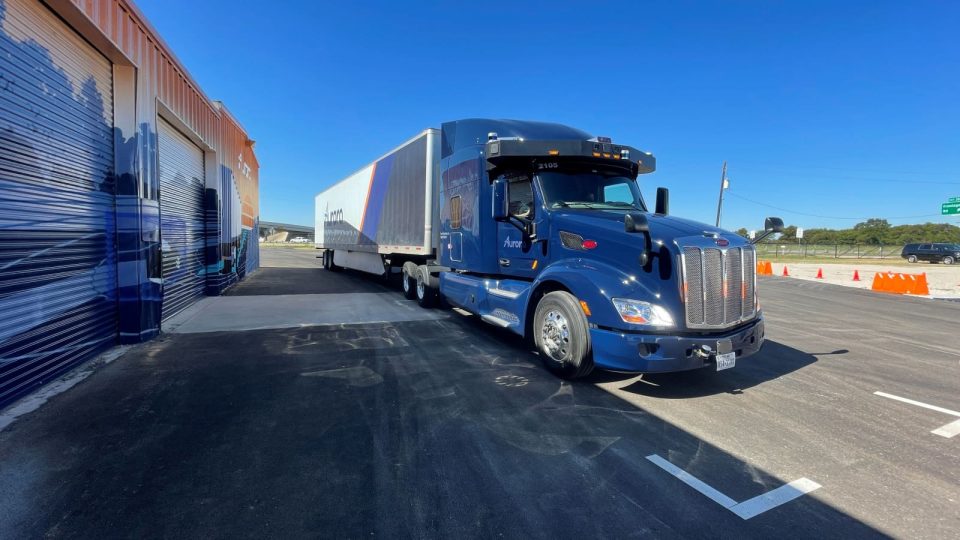
Shares of Paccar (NASDAQ: PCAR) surged by around 7% at the market open following President Donald Trump’s announcement of a 25% tariff on imported heavy trucks, effective October 1st. The company, known for manufacturing trucks under well-known brands Peterbilt and Kenworth, stands to benefit from the new import duties aimed at protecting domestic truck makers.
Paccar produces more than 90% of its trucks in the United States. However, American-made trucks tend to cost $8,000 to $10,000 more than competing trucks built in Mexico, according to a recent client note from Bank of America. This cost gap has put pressure on Paccar and its U.S. competitors, as trucks assembled in Mexico can enter the U.S. market tariff-free under trade agreements, effectively giving foreign manufacturers a price advantage.
The tariffs announced by President Trump appear intended to address this imbalance. By imposing a 25% tariff on heavy truck imports, the administration aims to level the playing field for U.S. manufacturers like Paccar. Bank of America analyst Michael Feniger suggested the move “likely tackles this concern and positions PCAR advantageously,” highlighting Paccar’s primarily domestic production as a key benefit from the tariffs.
President Trump emphasized the national security angle of the tariffs, stating the need to protect “Great Heavy Truck Manufacturers” such as Peterbilt, Kenworth, Freightliner, and Mack Trucks from unfair foreign competition. While Freightliner, owned by Daimler Trucks, produces much of its heavy truck volume in Mexico, Paccar’s heavy focus on domestic manufacturing means it is more insulated from the cost pressures that prompted this policy action.
The 25% tariff comes amid broader moves by the administration to secure American manufacturing interests and counter what it describes as an overwhelming flood of imports harming local industries. The new tariffs on heavy trucks join similar import duties on pharmaceuticals, kitchen cabinets, and furniture, all set to take effect October 1st.
Heavy-duty trucks are critical for U.S. commerce and national infrastructure, and protecting domestic production has been a political priority. Data from the Federal Reserve Bank of St. Louis shows heavy truck production in the U.S. has rebounded significantly in recent years, with the value of monthly shipments more than tripling since 2020. Still, recent months have shown a slight decline, underscoring the fragility of the recovery.
Mexico remains the largest supplier of medium and heavy-duty trucks to the U.S., followed by Canada, Japan, Germany, and Turkey. The new tariffs could disrupt these supply chains and increase costs for truck buyers who have benefited from imports priced lower due to cheaper production costs abroad.
While Paccar benefits from its domestic manufacturing model, the tariffs may translate into higher prices overall in the trucking industry, as import costs rise. Still, the equity market’s initial reaction reflects confidence that Paccar will gain a competitive edge versus rivals heavily reliant on lower-cost manufacturing in Mexico.
The decision also comes amidst ongoing investigations into various imports on national security grounds, which have previously led to tariffs on steel, aluminum, and other materials essential for truck production. By addressing the import pricing disparities, the administration hopes to maintain a robust and financially healthy heavy truck manufacturing industry in the U.S.
Market observers will be watching closely to see how the tariffs affect truck manufacturers’ margins, buyer behavior, and supply chain adjustments in the months ahead. For Paccar and its shareholders, the tariffs represent a welcome development after years of competition with less costly foreign truck imports.
