
[stock_market_widget type=”card” template=”basic2″ assets=”PTON” realtime=”true” api=”yahoo-finance”]
Peloton Interactive (NASDAQ: PTON) is revamping its product lineup in a major way, betting on artificial intelligence to boost its growth after some tough years. The company’s new Cross Training Series launched with a range of updated fitness devices including bikes, treadmills, and a rowing machine, all enhanced with AI features designed to act like a personal trainer for users.
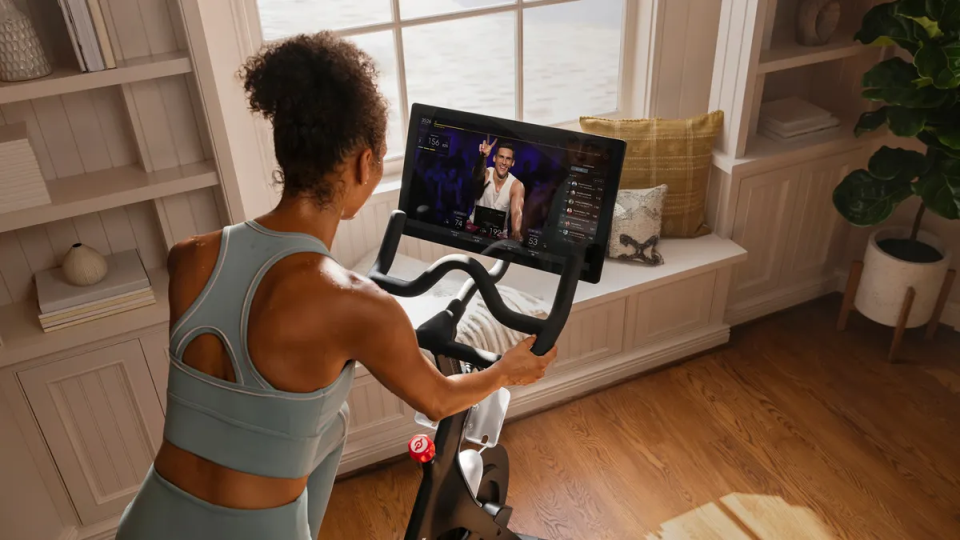
The fresh hardware offering includes the base and premium “plus” versions of the Bike and Tread models, plus a new Row+ rowing machine. Each device sports a 21.5-inch screen that can rotate away from the machine, giving users more flexibility to engage in yoga, strength training, and other workouts beyond cycling or running. The Plus models come equipped with Peloton IQ, a new AI system using computer vision to analyze users’ form in real time, counting reps, and offering tailored feedback to help improve technique and effectiveness.
This marks a clear shift in Peloton’s strategy to move beyond just cardio machines into a more comprehensive fitness experience. Strength training has become highly popular among Peloton members, accounting for the second most engaged workout category on the platform, underscoring the importance of a multi-faceted approach to wellness. Peloton IQ’s AI technology builds on years of data from the company’s classes and instructor input, delivering personalized coaching that adjusts recommendations based on an individual’s performance and goals.
The AI feature uses skeletal tracking to detect common exercise form errors, like insufficient depth in pushups or improper posture during weight lifts. It can suggest adjustments, such as reducing weight if form falters or encouraging heavier lifts when the user is performing well. Audio guidance is also available for workouts where looking at the screen is difficult, such as while planking. Peloton IQ creates weekly workout plans based on past activity, class history, and external fitness data from linked devices like Fitbit or Apple Health, making exercise routines smarter and more responsive. Behind the scenes, the upgrades include improved hardware like better speakers and Wi-Fi connectivity, and a more comfortable seat on the bike, responding directly to customer feedback.
The timing of this product overhaul could not be more critical. Peloton reported an unexpected profit in its fiscal fourth quarter ended in mid-2025, posting $21.6 million net income compared to a $30.5 million loss a year before. Revenue slipped 6% year-over-year to about $607 million, but the company’s focus on cutting operating expenses by around 25% helped turn the bottom line positive. This was achieved through workforce reductions, trimming indirect costs, and tightening supplier contracts. Still, the latest quarter guidance expects a slight sales dip due to seasonal softness in summer months but anticipates recovery in later quarters.
CEO Peter Stern has made clear that while progress is being made in controlling costs and stabilizing operations, investing in innovation through AI and product development is central to Peloton’s path forward. The relaunch with AI coaching aims to differentiate Peloton in a competitive market where home fitness technology must offer more than just connected hardware.
Peloton’s new line attempts to solve previous shortcomings by making workouts smarter and more adaptive, delivering what resembles a virtual trainer experience. It aims to create a fitness studio atmosphere in one machine by combining cardio, strength, yoga, and meditation, all within Peloton’s ecosystem. This holistic approach shows the company learning from past missteps and focusing on enhancing member value with next-generation technology.
By weaving AI deeply into its hardware and software, Peloton hopes to reignite growth and maintain relevance in the fast-evolving wellness market. How well the market receives these changes and the company’s ability to sustain improved profitability will be key to watch in the upcoming quarters.
