
[stock_market_widget type=”card” template=”basic2″ assets=”LOMLF” realtime=”true” api=”yahoo-finance”]
Lion One Metals Limited (TSXV: LIO OTCQX: LOMLF) has shared an encouraging update from its Tuvatu Alkaline Gold Project in Fiji, underscoring a phase of strong operational progress. The company’s first shrinkage stope, a method tailored for its high-grade narrow-vein gold deposit has yielded a total of 5,704 tonnes of ore at an impressive average grade of 10.60 grams per tonne gold. This production was mainly between July and September and blended with material from other parts of the mine.
The shrinkage stope mining technique, ideal for narrow vein deposits like Tuvatu, allows the operation of taller stopes with narrower widths, helping to reduce dilution and maximize gold extraction. Following the success of the initial stope, Lion One is already developing a second shrinkage stope. This next stope is expected to be twice as large and production is set to begin in November, with completion anticipated by mid-January 2026. It targets a larger zone on the eastern side of the mine with estimated dimensions of about 60 meters long, 50 meters tall, and 1.5 meters wide, with about 11,520 tonnes expected to be extracted.
Alongside this milestone, Lion One has significantly ramped up underground development at Tuvatu over the course of 2025. From January to September, the overall development meters per month surged by approximately 70%, rising from 331 meters to nearly 564 meters per month. This jump reflects a 126% increase in large capital development activities and a 59% increase in smaller development efforts within ore zones and access points.
These gains in development come from a set of strategic operational improvements and new equipment purchases aimed at maximizing efficiency underground. Notably, the company adjusted its approach to sequencing drilling, blasting, mucking, and bolting. Instead of its previous practice where two-boom jumbos (a type of underground drilling machine) handled multiple functions, jumbos now focus solely on drilling blast holes, while bolting crews work separately using a modified utility vehicle with a bolting platform and a dedicated scissor lift. This has optimized equipment use, increased the utilization rate of mining machines, and leveraged specialized Fijian skill sets in handheld mining operations.
Furthermore, the addition of a third two-boom jumbo to the underground fleet is expected to continue boosting capital development rates. Faster development means the company can open new production stopes and underground workplaces sooner while expediting important access points like the Zone 500, enhancing overall project momentum.
Ian Berzins, (Lion One’s CEO and recently appointed COO) expressed enthusiasm about the progress, saying the success of the first shrinkage stope and the ramped-up development rates have been possible due to new equipment arriving and ongoing operational improvements. He signaled confidence that the increased development productivity is sustainable and expects further gains as more equipment comes online.
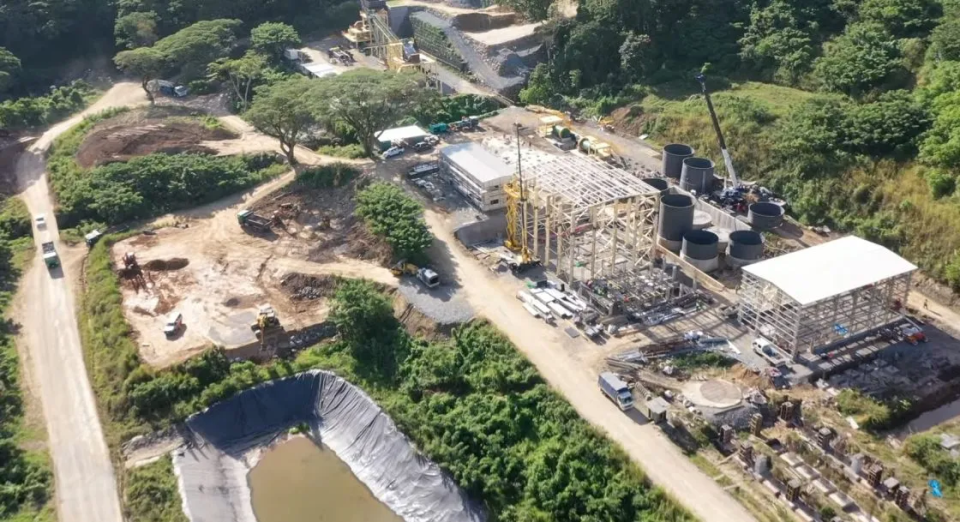
Lion One Metals has built its identity around this high-grade gold project in Fiji since establishing operations there in late 2023. The Tuvatu project comprises not only the underground gold mine but also preparatory infrastructure including a pilot plant and assay lab. The company also holds a larger exploration license covering the Navilawa Caldera area with several promising mineral targets.
The recent production success and increased development pace suggest Lion One is advancing steadily toward becoming a notable gold producer in the region. The effectiveness shown with shrinkage stope mining especially suits Tuvatu’s geology, positioning the project for efficient, high-grade gold extraction for years to come.
