
[stock_market_widget type=”card” template=”basic2″ assets=”Z” realtime=”true” api=”yahoo-finance”]
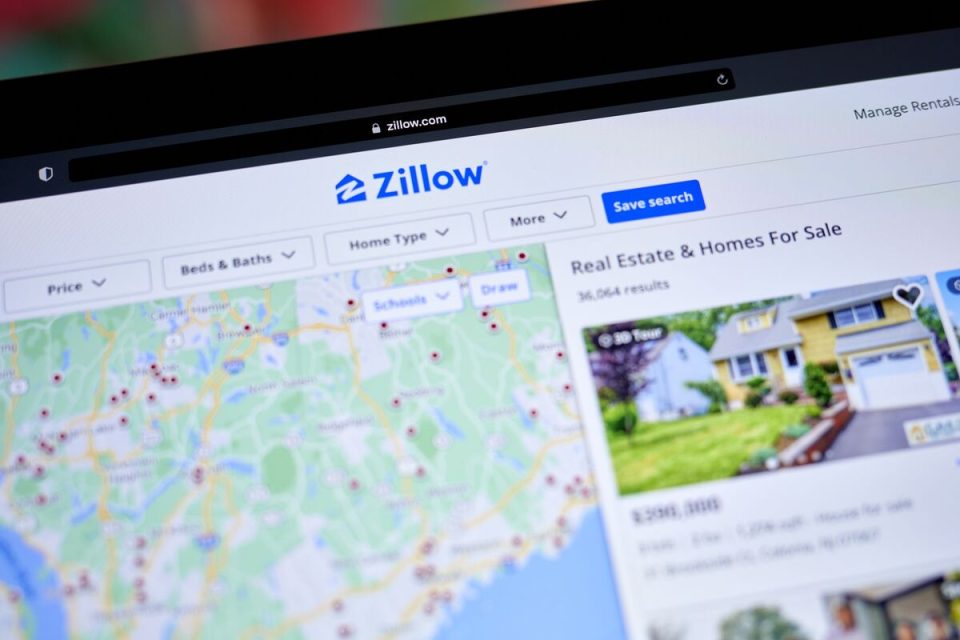
Multiple states have alleged that Zillow (NASDAQ: ZG) and Redfin violated antitrust laws concerning their online rental practices. These claims focus on whether the companies used their market influence to suppress competition in a way that harms renters and the broader rental market.
The accusations arise from concerns about how these two dominant real estate platforms manage rental listings on their websites and apps. While details of the practices in question have not been fully disclosed, the states contend that Zillow and Redfin engaged in conduct that could unfairly influence rental pricing, listing exposure, or access for competitors. These allegations reflect broader scrutiny into the role large tech firms play in traditional sectors like housing, where control over digital platforms grants significant market power.
Both Zillow and Redfin have reshaped how prospective tenants find rental options by consolidating listings and providing centralized search tools. However, by leveraging their scale and data, they also face questions about whether they restrict third-party listings or manipulate platform features to disadvantage rivals or limit renter choice. The investigation signals regulators’ vigilance about ensuring fair competition even among well-established digital marketplaces.
Zillow and Redfin primarily generate revenue from advertising and brokerage fees tied to these rental listings, making it essential to understand how their business strategies potentially affect market access. The multi-state inquiries emphasize the difficulty in balancing the benefits of convenience and transparency that such platforms provide customers against the risk of anti-competitive effects.
Neither company has publicly detailed responses to the allegations at this stage. The scrutiny may lead to regulatory settlements, changes in platform policies, or ongoing litigation. How these matters resolve could have significant implications for online real estate services and the broader rental market ecosystem.
Both firms have overlapped in their attempts to streamline the rental search process but have distinct approaches in interface and service offerings. That said, their shared dominance in the online rental space puts them under the microscope, particularly as regulators focus on the growing intersection of technology and real estate.
This wave of enforcement is part of a larger trend of regulators examining big tech’s expanding footprint in crucial markets. Rental housing, a key concern for many consumers, is now a focal point for antitrust review to ensure marketplaces remain open and competitive.
As investigations proceed, they will shape how digital real estate platforms navigate compliance and competition laws moving forward. A careful balance will be required to protect innovation without permitting practices that could constrain the market or reduce choices for renters.
The regulatory spotlight on Zillow and Redfin’s online rental business underscores the evolving challenges and responsibilities for technology-driven platforms operating in sectors essential to everyday life. These cases may set new standards for transparency and fairness in how rental listings are presented and monetized in digital formats.
Ultimately, maintaining robust competition in online rental markets is crucial for keeping prices reasonable and ensuring access to a diverse range of housing options. The outcome of these allegations will be watched closely by industry participants, regulators, and consumers alike as a test of how antitrust laws apply in the digital age .
