
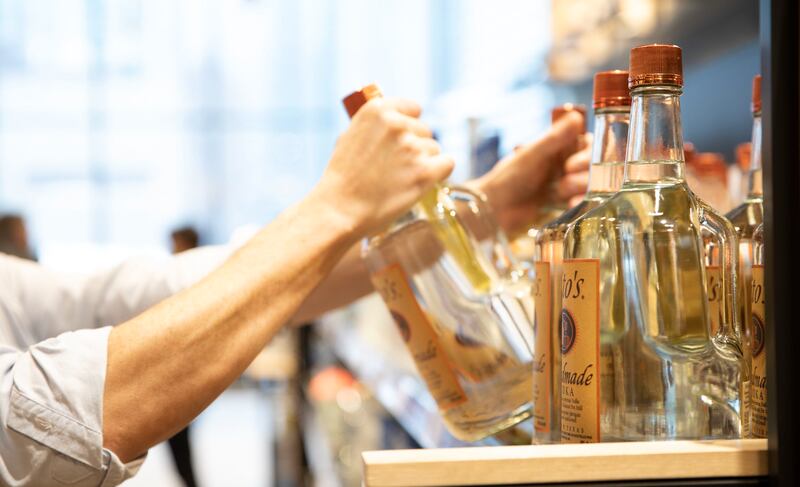
The decline in U.S. distillers’ exports to Canada in 2025 highlights the tangible impact of the ongoing trade tensions and tariffs between the two countries. As Canadian provincial liquor stores have removed U.S. alcohol products from their shelves, American spirits, particularly bourbon, have faced significant setbacks, with exports plummeting by 85% in the second quarter. This sharp drop was largely driven by retaliatory tariffs imposed by Canada earlier this year, which have yet to be fully lifted despite the removal of some tariffs, leading many provinces to maintain bans on American spirits.
The repercussions for American distillers extend beyond immediate lost sales. Since most provinces still refuse to sell U.S. spirits, including bourbon, many producers are struggling to maintain their foothold in the Canadian market, which is the second-largest export destination after the European Union. Canadian retailers’ refusal to stock American brands means that demand in one of the most lucrative international markets has waned considerably, leading to both financial losses and industry-wide uncertainty.
This trade dispute is impacting the industry at multiple levels. For one, the export decline is particularly acute among bourbon producers, some of whom have reported record high inventory levels and sluggish domestic demand in recent years. While there have been no widespread reports of bankruptcies in the bourbon segment specifically, the downturn has placed significant financial strain on some smaller distilleries that rely heavily on export markets for their revenue. The U.S. spirits industry overall saw a 9% decline in exports in the second quarter, driven primarily by the disruption in Canada.
The trade tensions are also reshaping the landscape for American wine producers. While the direct impact on wine has been less pronounced than on spirits, some provinces have stopped importing American wines, motivated in part by patriotic “Buy Canadian” initiatives and consumer preference shifts. These measures have resulted in a 55.5% drop in wholesale wine sales across Alberta in the first quarter compared with the previous year, demonstrating how trade conflicts can recalibrate domestic consumption patterns in Canada, often to the benefit of local wine producers. This shift is helping Canadian winemakers explore new market share and expand their domestic footprint, which could constrain U.S. wine exports for the foreseeable future.
The overall picture points to a broader industry landscape fraught with hurdles. While the tariffs are a clear catalyst, the lingering effects, such as provinces continuing to ban American spirits and the shift in consumer preferences, underline the vulnerability of export-dependent sectors like bourbon and certain wine segments. Despite efforts by trade groups to encourage a return to tariff-free commerce, the path to normalcy remains complex, with many producers feeling the weight of reduced sales and uncertainty about recovery timelines.
In the broader context of global trade conflicts, the U.S.-Canada dispute exemplifies how diplomatic tensions can ripple through industries and alter longstanding market dynamics. For American distillers and wine producers, adapting to these restrictions and consumer shifts will be crucial, especially given the current stockpile of inventory and the ongoing struggle to regain access to key markets like Canada. As the industry navigates this uncertain terrain, many will be watching closely to see if diplomatic efforts can restore the flow of American spirits and wines to Canadian shelves, or if this moment marks a more enduring pivot in the trade relationship.
