
[stock_market_widget type=”card” template=”basic2″ assets=”GOOG” realtime=”true” api=”yahoo-finance”]
Alphabet Inc.’s (NASDAQ: GOOGL) autonomous driving company Waymo is preparing to take a major leap by bringing its robotaxi service to London, making it the first European city to host this self-driving ride-hailing technology. This move comes after years of gradually expanding commercial autonomous services in the United States and initial testing in Tokyo.
Currently, Waymo operates fully autonomous taxi rides in five U.S. cities including Phoenix, San Francisco, Los Angeles, Atlanta, and Austin, Texas. Weekly, the company’s fleet completes over 250,000 paid trips, a testament to its growth since first launching paid rides in 2020. The London launch is slated for 2026 and will start with human safety drivers monitoring the vehicles on city streets, advancing toward fully autonomous rides as regulatory approvals are secured.
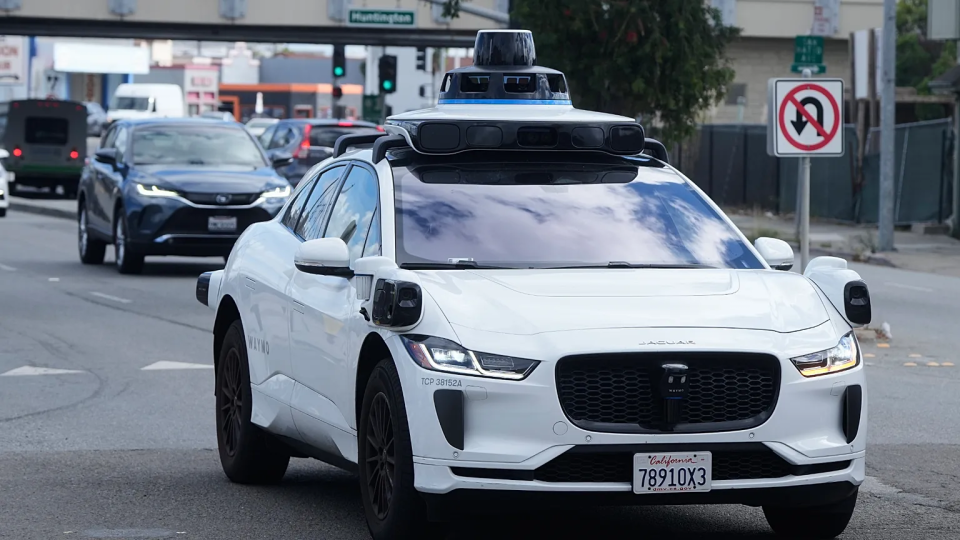
The company plans to deploy its Jaguar I-PACE electric vehicles fitted with the Waymo Driver autonomous system. These vehicles will begin testing in London later in 2025, signaling Waymo’s commitment to adapting its technology to a European urban environment with unique challenges such as narrower, winding roads shaped by centuries of city planning. The testing phase also involves close collaboration with UK authorities, including the Department for Transport and Transport for London, to ensure compliance with strict safety requirements.
To support fleet operations in London, Waymo is teaming up with Moove, a mobility technology firm specializing in vehicle financing, maintenance, and charging infrastructure. Moove already manages aspects of Waymo’s fleet in Phoenix and Miami, handling tasks such as cleaning, charging, and minor repairs to keep vehicles ready for service. This partnership reflects Waymo’s strategic approach to localize operations and optimize vehicle uptime.
Waymo’s European expansion follows its earlier international initiative in Tokyo, where it has been conducting tests since early 2025 in cooperation with local partners such as taxi company Nihon Kotsu and ride-hailing app Go. While no commercial launch date in Tokyo has been announced, the program serves as a valuable testing ground for adapting to complex cityscapes and regulations outside the U.S..
Globally, the autonomous vehicle sector is still in a nascent stage, grappling with regulatory, technical, and public acceptance challenges. No robotaxi service has yet turned a profit, though market analysts predict the robotaxi software market could expand dramatically over the next 20 years, potentially reaching revenues of $136 billion by 2046. Waymo’s cautious scaling through piloted programs, paired with efforts to build partnerships worldwide, aims to position it ahead in this evolving race.
Other companies are also advancing robotaxi and autonomous driving services in major cities worldwide. Tesla, for example, continues to develop its ambitious robotaxi network in the U.S., while British startups like Wayve have partnered with Uber to prepare autonomous taxi services in London as well. Each city presents its own environment that demands tailored technology solutions and regulatory cooperation, from North American urban grids to European and Asian streets with historic layouts.
London’s planned robotaxi pilot program starting in spring 2026 will allow companies like Waymo to test small-scale autonomous taxi and bus services before a broader rollout is contemplated post-2027 when the UK’s Automated Vehicles Act is expected to come fully into force. This phased approach offers regulators and operators time to gather operational data and build public trust in driverless transportation.
Waymo’s arrival in London marks a significant milestone in the global development of autonomous mobility. Transitioning from controlled markets like several U.S. cities to one of the world’s largest and most complex urban centers will test the limits of this technology’s readiness. How effectively Waymo adapts its service to London’s distinct environment will likely influence the pace and shape of autonomous ride-hailing across Europe and beyond.
The company’s efforts to partner locally, ensure high safety standards, and phase in full autonomy reflect a pragmatic model for scaling driverless rides globally. As London prepares to host its first robotaxis, the broader autonomous vehicle ecosystem continues to evolve with cautious optimism and strategic investments shaping a future where self-driving cars may become an everyday norm.
