
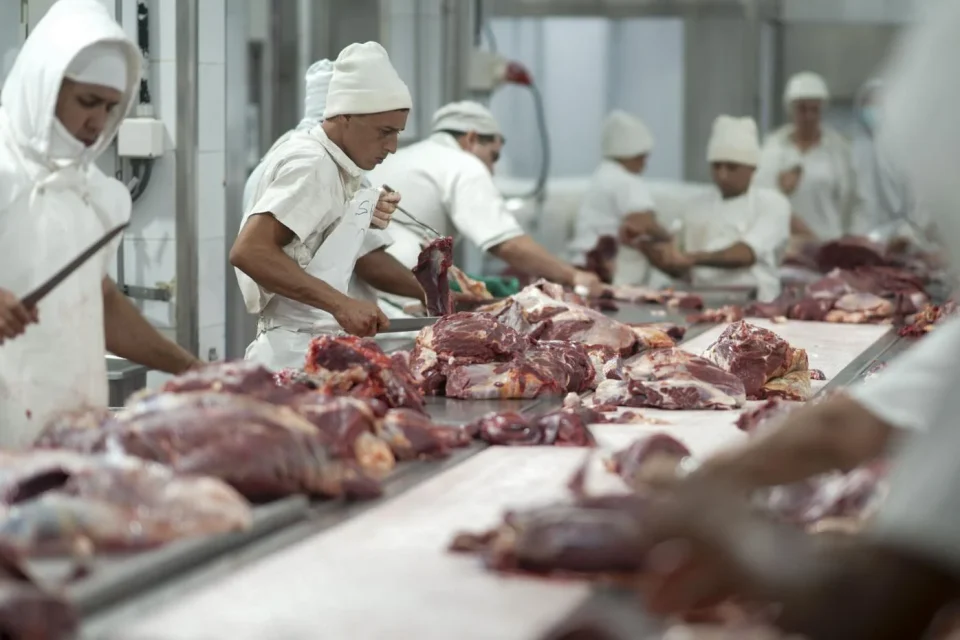
President Trump recently announced plans that the United States could import beef from Argentina as a way to combat inflation and stabilize meat prices at home. Speaking aboard Air Force One, he explicitly said, “We would buy some beef from Argentina. If we do that, that will bring our beef prices down.” This proposal comes amidst stubbornly high beef prices in the U.S., attributed to factors like persistent drought conditions and reduced imports from Mexico caused by a pest affecting cattle herds. Trump positioned this move as part of his broader efforts to keep inflation in check for American consumers.
The announcement ties into a broader economic relationship unfolding between the U.S. and Argentina. The Trump administration is supporting Argentina with a $20 billion currency swap and further financing initiatives aimed at stabilizing the Argentinian economy ahead of midterm elections for President Javier Milei, a close ally of Trump. This financial bridge to Argentina is designed to help the troubled economy survive and regain footing, but it has sparked intense backlash from American farmers and lawmakers.
From the perspective of U.S. ranchers and farmers, this policy is deeply controversial. Many feel it undermines the domestic agricultural industry at a critical moment. The American Soybean Association president conveyed overwhelming frustration, noting that while Argentina is receiving substantial support, U.S. farmers are struggling with falling prices and lost markets, especially in China, the world’s largest soybean importer. Argentina, thanks to this aid, has been able to drop its export taxes and flood the market with soybeans, intensifying competition for American farmers.
The beef sector, too, is gearing up to oppose imports from Argentina, concerned about the potential impact on their domestic prices and market share. Importing Argentine beef might bring prices down for consumers, but it raises fears about U.S. producers’ profitability and long-term sustainability. The policy has also stirred political tensions given Trump’s “America First” rhetoric when farmers feel domestic agriculture is being sidelined in favor of foreign interests. This contradiction threatens support among rural voters, who have traditionally been a reliable base for Trump.
The economic rationale behind Trump’s announcement is that increasing supply through imports could alleviate the current tightness in beef supply chains and tame inflationary pressures on meat prices, which have been among the main drivers of food inflation. However, this short-term relief strategy puts additional strain on the farming community already grappling with climate challenges, retaliatory trade restrictions, and market volatility.
In reaction to the bailout for Argentina and the potential opening of beef imports, several Congressional Republicans and farm-state lawmakers have publicly questioned the policy’s wisdom. Senator Chuck Grassley from Iowa questioned why the United States would provide a bailout to Argentina while it continues to take key markets away from American farmers. This discontent underscores a growing divide between federal trade strategies and the realities on the farm.
Ultimately, Trump’s plan to import Argentine beef to lower domestic prices reflects the complexity of balancing consumer interests, inflation management, and protecting the interests of American producers. While the move may offer some relief at grocery stores, it risks deepening the economic challenges faced by U.S. ranchers and farmers, potentially weakening an industry already under pressure from environmental factors and international competition.
The stakes remain high as the administration’s policies unfold. Whether this Argentine beef import policy will effectively ease food inflation without causing lasting harm to U.S. agriculture remains to be seen, but the reaction from American farmers is unequivocally skeptical.
