
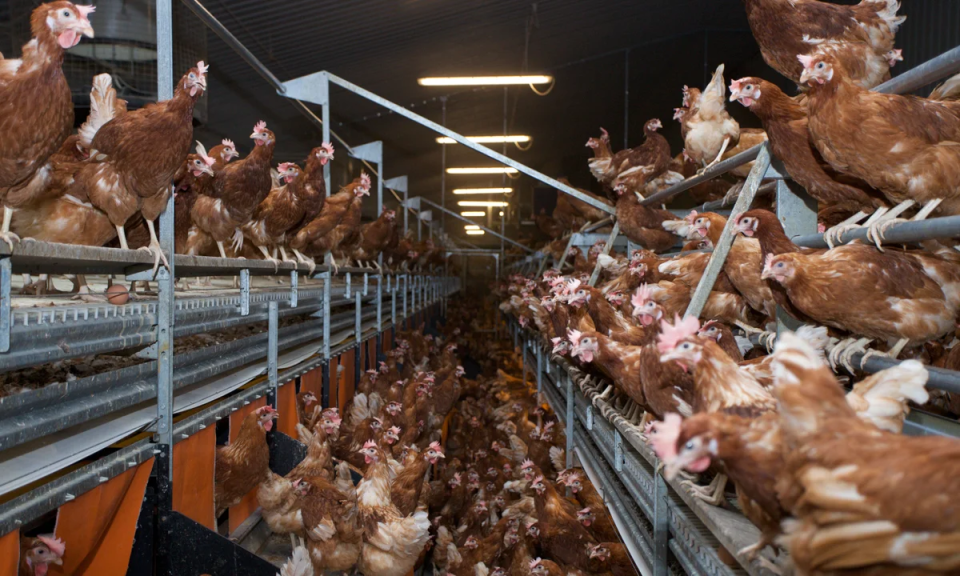
As the U.S. heads into the holiday season, the poultry industry is grappling with significant disruptions caused by intensifying bird flu outbreaks. These outbreaks have severely impacted poultry flocks, pressuring consumers, retailers, and supply chains at a critical time of year. Complicating the situation is the federal government’s challenge to fully fund initiatives aimed at combating the ongoing crisis, which could prolong shortages and price volatility.
Since late 2024, highly pathogenic avian influenza (HPAI), commonly known as bird flu, has devastated millions of birds across the U.S., with over 158 million birds culled to control the virus. This includes a sharp drop in egg-laying hens, driving persistent shortages of eggs and poultry meat. The rapid spread is exacerbated by migratory wild birds, especially in spring and fall, and the time-consuming measures needed to reset affected farms prolong the supply chain disruptions. In December 2024 and early 2025 alone, tens of millions of birds were removed, weighing heavily on production levels well into this year.
Consumers are feeling the impact most directly at the checkout counter, facing higher prices and supply constraints. Retailers such as Walmart, Trader Joe’s, and Costco have implemented purchase limits on eggs, reflecting the struggle to balance demand and scarce inventory. The rising cost of poultry products also filters into food industries reliant on eggs and meat, including bakeries and food manufacturers, forcing either price increases or production cuts. This squeeze threatens to ripple through the supply chain precisely as demand surges during the holidays.
Moreover, the poultry production landscape has seen an overall decline, with statistics showing a 1% drop in U.S. poultry production by August 2025 compared to the previous year, including a 7% fall in turkey output. These reductions stem directly from the widespread bird flu impact on flock health and numbers.
The government has recognized the severity and sustained nature of these challenges. The U.S. Department of Agriculture (USDA), through its Animal and Plant Health Inspection Service (APHIS), launched a comprehensive funding initiative called the HPAI Poultry Innovation Grand Challenge. Announced in early 2025, this program allocates up to $100 million to support high-impact projects focused on vaccines, therapeutics, and research to combat the virus and ultimately stabilize egg prices and poultry supply. This is part of a broader commitment by the USDA to invest up to $1 billion aimed at mitigating bird flu’s effects on the poultry sector. However, there have been difficulties in securing continuous funding, which has slowed implementation and could dampen recovery timelines.
Beyond poultry, the bird flu crisis has sent shockwaves through broader agricultural markets and food prices. Export forecasts for U.S. chicken have been revised downward by nearly 4% for 2025 due to ongoing disease outbreaks, affecting global supply chains and trade balances. According to Paul Makube, Senior Agricultural Economist at FNB Commercial, “The spread of avian influenza has created ripple effects throughout the global poultry industry, not only hampering U.S. exports but also disrupting markets worldwide”. These export declines add pressure on domestic supplies and complicate trade relationships.
Additionally, as poultry prices rise, consumers and food service providers look for alternatives, which can lead to increased demand and price pressures on other meat sectors such as pork and beef. Some regions report that tighter supply chains and disease pressures are constraining these sectors as well, compounding food price inflation risks in the broader market.
Complicating the situation are regulatory trends aimed at improving animal welfare, such as cage-free egg laws in multiple states including California and Massachusetts. While well-meaning, these laws have narrowed the available supply options further, especially as cage-free flocks may be more vulnerable to outbreaks. The convergence of disease impact, regulatory constraints, and inflationary pressures on feed, fuel, and labor have created a rare storm of challenges for the poultry industry.
The timing could not be more critical. With the holiday season when demand for poultry and eggs typically peaks, these complex factors threaten to sustain higher prices and limit availability. Industry experts warn that supply chain normalcy might not return for several months despite government relief efforts. The USDA’s investments aim to aid flock replenishment and biosecurity improvements, yet the gradual pace of recovery means consumers and businesses should prepare for ongoing volatility.
In this evolving landscape, the poultry sector remains a frontline barometer for food security and inflationary trends in the U.S. agricultural economy. While policymakers and scientists work to deploy vaccines and new control measures, the coming months will test the industry’s resilience and the market’s ability to absorb shocks before the next seasonal demand cycle.
