
[stock_market_widget type=”card” template=”basic2″ assets=”AIR.PA” realtime=”true” api=”yahoo-finance”]
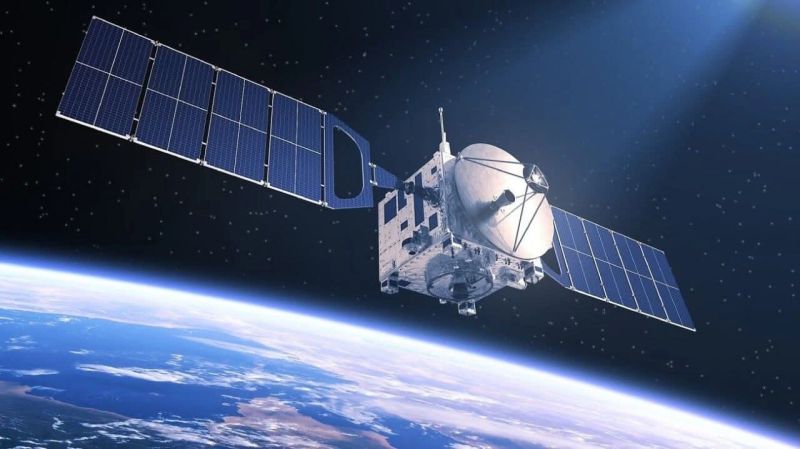
Europe’s aerospace leaders Airbus (PARIS: AIR, OTC: EADSY), Leonardo S.p.A. (MILAN: LDO), and Thales S.A. (PARIS: HO) are joining forces to form a new space company, aiming to launch operations as soon as 2027. This new venture is designed to create a European challenger to Elon Musk’s Starlink satellite network, which has rapidly grown its presence across the continent.
The combined company will have Airbus as the majority owner with a 35% stake, while Leonardo and Thales will each hold 32.5%. The joint venture creates a unified platform from the companies’ respective space operations, including satellite manufacturing and space infrastructure services, excluding launchers. This strategic move marks a significant attempt to bolster Europe’s space industry amid increasing global competition.
Starlink, a SpaceX project led by Elon Musk, has revolutionized satellite internet access by deploying a vast constellation of low Earth orbit satellites. It provides high-speed broadband services worldwide, including throughout Europe, often in remote and underserved areas. Its dominant footprint has raised strategic alarms in Europe about dependency on non-European space infrastructure.
The merger brings together around 25,000 employees and is expected to generate approx. $7.5 billion (€6.5 billion) in annual revenue on a pro forma basis. The companies anticipate realizing significant synergies within five years, including cost savings and improved operational efficiencies. These efficiencies aim to sharpen their competitive edge and open up new revenue opportunities.
While the merger’s regulatory approval process is just beginning, it is seen as a critical step for European space sovereignty. The companies emphasize that a successful merger will better position Europe to innovate in satellite communications, earth observation, navigation, and related services.
Still, challenges lie ahead. Navigating regulatory frameworks, aligning national interests across multiple countries, and competing with an established Starlink network are complex tasks. The merger must also address historic constraints in European aerospace, such as fragmented industrial capacities and slower innovation cycles compared to U.S. counterparts.
This partnership signals Europe’s intent not just to keep pace with but to compete against global space players, ensuring its independent capabilities in strategic space assets. The joint venture’s success will depend on how well it can integrate technology, forge coherent policies, and deliver market-responsive satellite services.
Airbus, Leonardo, and Thales are betting that a unified European space powerhouse is necessary to maintain industrial relevance and offer the innovation and scale needed to compete with private players like Musk’s Starlink. The new company is more than a consolidation, it’s Europe’s push for control over its space future and technology leadership in a fast-evolving sector.
The companies could launch a new chapter in European aerospace once regulatory hurdles are cleared and operational plans are finalized, setting the stage for renewed competition in the satellite broadband arena.
