
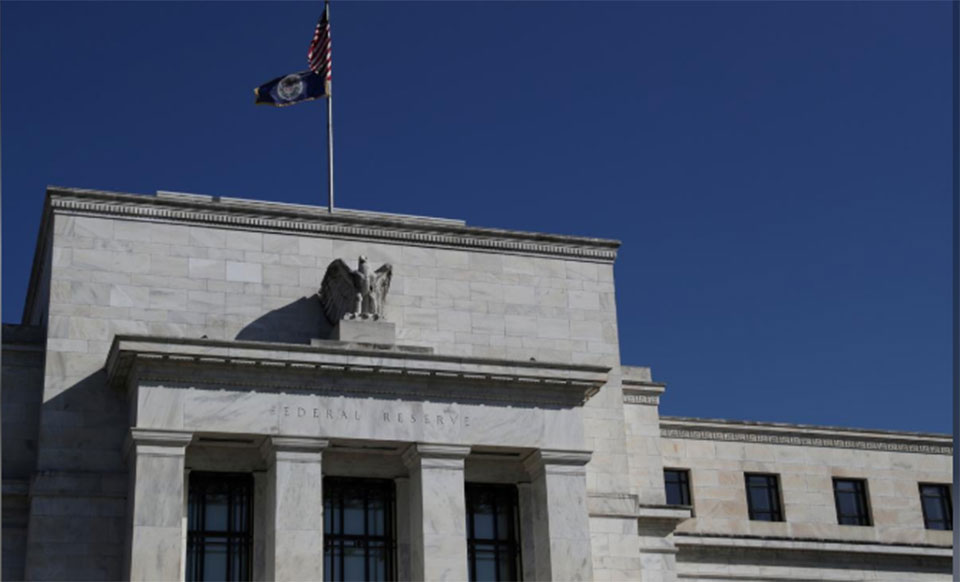
The Federal Reserve is widely expected to reduce its benchmark interest rate by 0.25%, marking the second consecutive cut this year and bringing the target range to 3.75%–4.00%. This move reflects mounting concerns about the U.S. economic outlook amid uncertainty caused in part by a government shutdown affecting the availability of key economic data. While the rate cut aligns with the Fed’s assessment of slowing growth and an easing job market, it falls short of the more aggressive reductions President Donald Trump has advocated throughout the year.
Interest rates set by the Federal Reserve influence borrowing costs for consumers and businesses, making them a primary tool to steer economic growth and control inflation. Generally, lower rates encourage borrowing and spending by making loans cheaper, which can help stimulate growth during economic slowdowns. Conversely, raising rates aims to cool inflation by making borrowing more expensive and slowing demand. In this cycle, the Fed appears to be cautiously shifting its focus from inflation control, which remains above target levels, toward supporting employment and economic stability.
The Fed’s recent decision to cut rates builds on a similar 0.25% cut in September 2025, signaling a gradual approach to easing monetary policy rather than the steep cuts some, including President Trump, have pressed for to boost the economy more quickly. Trump has argued that faster, more substantial rate reductions would better accelerate growth and job creation. However, Fed officials, including Chair Jerome Powell, have highlighted the complexities of the current environment, including persistently high inflation running near 3% and an unpredictable labor market, that warrant a more measured response.
Economic indicators have offered a mixed picture: inflation remains elevated but with some signs of easing core prices, while hiring data suggests a slowing but still resilient labor market with unemployment holding near 4.3%. The government shutdown has obscured the release of several essential economic reports, making it harder for the Fed to assess real-time conditions. Powell has stated that despite data disruptions, multiple sources of information from both public and private sectors are helping policymakers navigate the fog.
The impact of this rate decision will ripple across various sectors and financial markets. Generally, consumers and businesses can expect marginally lower financing costs, which could support continued spending and investment, especially in interest-sensitive industries such as housing, automotive, and capital equipment. Lower rates tend to make mortgages and loans less costly, potentially stimulating home sales and new construction. On the other hand, the banking sector might face pressure on net interest margins, potentially squeezing profitability as lending rates adjust downward more slowly than deposit costs.
Financial markets often react positively to rate cuts as investors anticipate easier credit conditions and improved corporate earnings prospects. However, the modest size of the cut, combined with uncertainty surrounding economic growth and inflation, could temper enthusiasm. Equity markets may experience volatility as investors gauge the balance between growth support and inflation risks. Bond markets may see yields adjust downward in response to the reduced rate environment, affecting fixed-income returns.
Looking ahead, the Federal Reserve has signaled openness to further cuts, with some officials anticipating two additional quarter-point reductions before the end of 2025. Yet, there remains caution given the inflation picture and ongoing data gaps. The Fed’s steady, deliberate approach highlights the challenge of navigating between sustaining growth and preventing inflation from becoming entrenched.
This interest rate decision underscores a pivotal moment for the U.S. economy as the Fed adapts its policies amid evolving risks. While the move may not satisfy calls for more aggressive stimulus, it reflects a cautious acknowledgment that the central bank must balance competing priorities in a highly uncertain economic landscape.
