
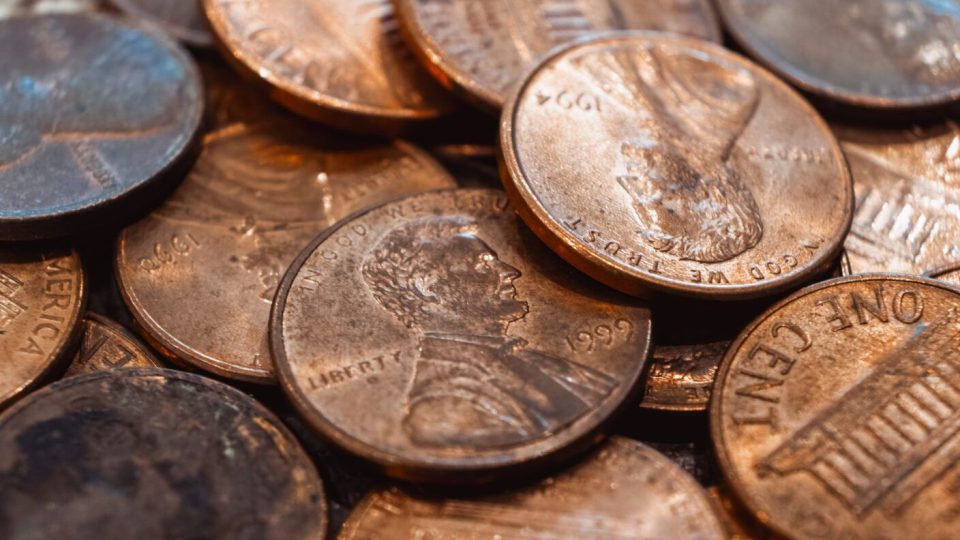
The United States is currently facing a growing shortage of pennies that is starting to affect everyday commerce across the country. As the holiday shopping season approaches, retailers in several regions are running out of pennies, making it difficult to provide exact change. At the same time, banks are unable to order new pennies, resulting in rationing coins to customers. This shortage, which began in late summer, raises important questions about the role of the penny in modern transactions and the broader evolution of currency in the U.S.
For many businesses, especially small merchants reliant on cash payments, the lack of pennies complicates daily operations. Some are forced to round prices up or down or request customers to forgo exact change. Though some retailers have adapted with rounding systems, others struggle with these adjustments, potentially slowing checkout times and impacting the customer experience. It underscores how much parts of the economy still depend on a coin that has long been questioned for its utility.
Looking to Canada’s experience sheds useful light on a potential path forward. Canada eliminated its penny in 2013 and introduced mandatory rounding to the nearest five cents for all cash transactions. This approach has generally been accepted without disruption, simplifying cash exchanges and eliminating the need to stock pennies. Notably, electronic payments still process exact amounts, so digital transactions remain unaffected by rounding rules.
Canada’s shift shows that it is possible to maintain efficient commerce without the smallest coin. The U.S., which produces billions of pennies annually despite their falling purchasing power and high production costs, now faces a real-world test of whether continuing to use pennies is sustainable or necessary. The sentimental attachment to the coin, along with tradition, has long slowed efforts to phase it out.
For both merchants and consumers, the current penny shortage means adjusting to new cash-handling realities. Consumers will increasingly encounter rounded prices when paying with cash, altering a long-standing aspect of transactions. This situation raises important questions: Is maintaining the penny justified given the inconveniences and costs it brings? Should the U.S. consider adopting a rounding policy similar to Canada’s? How will the rise of digital payments, unaffected by coin availability, reshape currency use going forward?
As the shortage persists, it highlights the penny’s complicated place in the economy. The ongoing holiday season offers a lens into the practical consequences of lacking pennies, while also prompting reflection on whether the U.S. currency system is ready for a more modern approach similar to Canada’s experience.
