
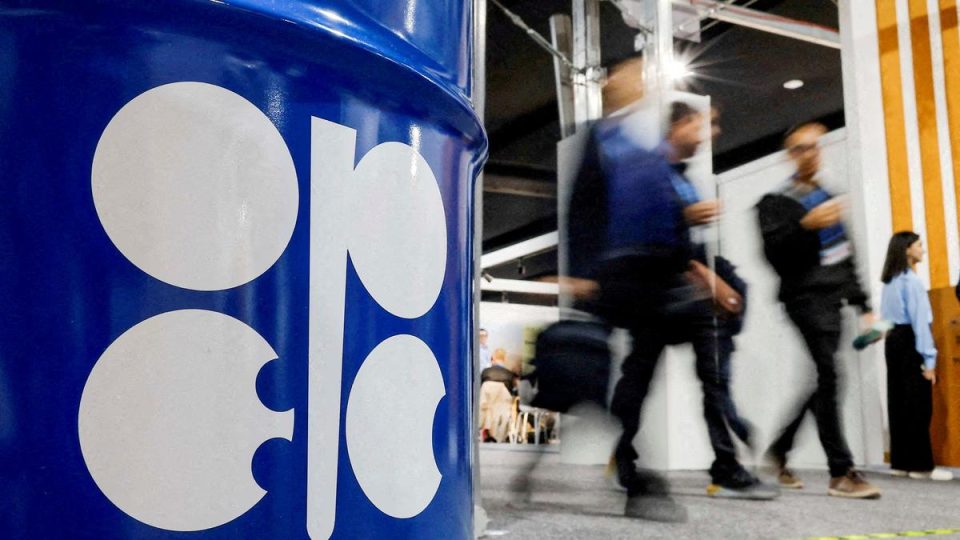
Abu Dhabi’s International Petroleum Exhibition and Conference (ADIPEC) opened on today bringing together key players from the global energy sector. This four-day event at the Abu Dhabi National Exhibition Centre serves as a major forum for discussions covering everything from oil and gas to decarbonisation and emerging energy technologies. As the summit gets underway, attention has particularly focused on the recent decision by OPEC+ to pause its planned production increases for the early part of 2026. This development signals a cautious approach as the market navigates ongoing uncertainties and geopolitical pressures.
OPEC+ announced yesterday that it would hold existing output levels steady beyond December 2025, stepping back from previously agreed production hikes. The move follows concerns about global supply gluts amid weakening demand signals from key consumer markets. By freezing output at current levels, roughly 44 million barrels per day, OPEC+ aims to stabilize the market and support prices without flooding it further. This decision stands out given the broader context of energy transitions, geopolitical tensions, and fluctuating economic growth rates.
The price of West Texas Intermediate (WTI) crude, an important benchmark for U.S. oil, has remained relatively steady. This steadiness reflects a market digesting the OPEC+ stance alongside ongoing supply chain complexities and global demand outlooks. While some anticipated a production increase that could have further pressured prices, the pause signals a rebalancing effort among oil producers. The market’s reaction appears measured, with neither sharp spikes nor dramatic drops, demonstrating investor caution amid evolving geopolitical and economic conditions.
Geopolitics continue to play a prominent role in shaping oil markets heading into the summit. United States and U.K. sanctions on Russian energy firms have effectively reduced Moscow’s ability to influence global crude supplies. This sanction regime complicates traditional supply patterns, prompting shifts in sourcing and strategic stockpiling. Meanwhile, the energy transition agenda, prominently featured during ADIPEC, reflects governments and companies grappling with the need to balance fossil fuel production and greenhouse gas reduction targets. The summit offers a vital platform to explore how industry leaders intend to navigate this complex landscape.
Beyond the immediate market signals, ADIPEC fosters dialogue on emerging technologies, sustainability measures, and collaborative projects across the oil and gas value chain. From digital automation to hydrogen energy and liquefied natural gas, the conference highlights ways to marry traditional energy production with cleaner alternatives. The tone here is pragmatic: acknowledging the ongoing relevance of oil and gas in meeting global energy demand while candidly addressing environmental, economic, and social pressures.
As of November 2025, ADIPEC stands as a touchstone moment for the energy sector amid change. The pause in production hikes by OPEC+ carries significant weight, signaling caution but also a willingness to adapt supply strategies in a volatile environment.
