
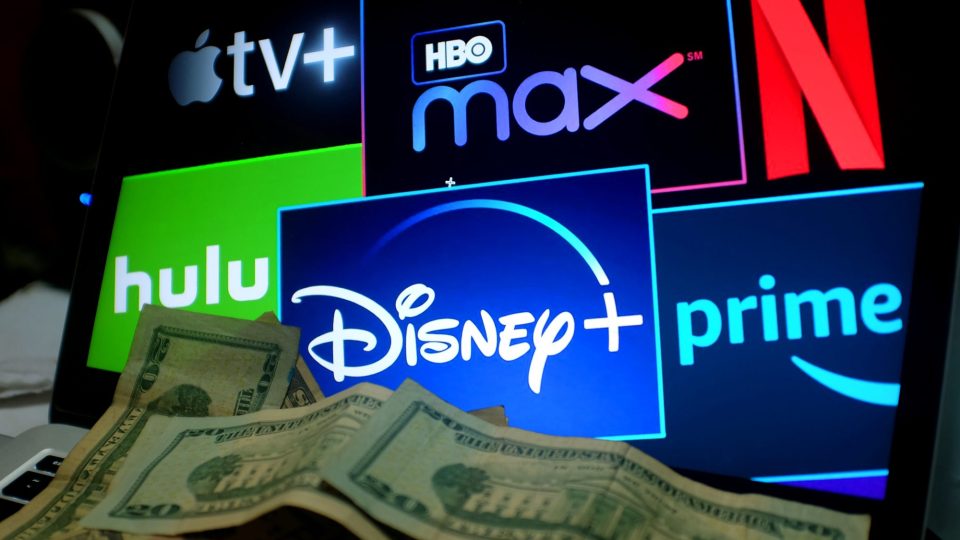
The rising cost of subscription streaming services is a noticeable trend in the U.S. market this year. The average price for the top 10 paid subscription streaming services increased 12% in 2025, continuing a pattern of double-digit increases annually since 2022. This shift stems from multiple pressures facing the industry, from rising programming costs to shifts in consumer behavior and revenue challenges for media companies.
Several of the major players in the streaming market have adjusted their prices upward this year. Netflix (NASDAQ: NFLX) raised their standard ad-free plan from $15.49 to $17.99 per month early in the year, marking one of the steepest increases seen within a single plan. Apple TV+ followed with a 30% increase, raising prices from $9.99 to $12.99 monthly while still maintaining one of the more competitive offerings. The streaming giants Disney+ (NASDAQ: DIS), Hulu, and HBO Max all implemented price hikes in October 2025. For example, Disney+ Premium rose from $15.99 to $18.99 monthly, and HBO Max raised prices across all its tiers, with the standard ad-free plan reaching $18.49, a 23% increase since the service’s launch during the pandemic.
Price increases have not gone unnoticed by consumers. Disney+ and Hulu experienced their churn rates doubling in September 2025 from around 4% to 8% and 5% to 10%, respectively. Observers attribute some of the churn to contextual factors such as a temporary removal of a high-profile show from a Disney-owned channel, but price sensitivity remains a dominant factor for consumers deciding which subscriptions they keep or cancel. In contrast, other services like Netflix have maintained relatively steady churn rates despite their price hikes, suggesting brand loyalty and exclusive content can moderate subscriber loss.
Industry experts emphasize that price hikes are a strategic response to escalating content costs and the need to improve profitability. Victoria Melvin, an analyst with the Convergence Research Group based in Victoria, British Columbia, points out that “media companies face increasing pressure as legacy pay TV revenue continues to fall sharply, and streaming platforms must cover the higher costs of original and licensed programming.” She notes that even though consumers feel sticker shock, the cumulative impact of streaming subscription revenue is crucial for sustaining investments in quality content.
Looking ahead, projections suggest that subscription services will continue to experiment with pricing models balancing affordable entry-tier options with premium offerings that include enhanced features or ad-free viewing. Some observers anticipate that bundling may become a more frequently used strategy to retain customers despite higher individual plan costs. Jonathan Fields, a media strategist, expects “while the base prices will rise, consumer choice will expand through bundles and tiered service models to keep subscribers engaged without sacrificing revenue”.
At the same time, streaming services face the challenge of avoiding subscriber fatigue as monthly costs approach or exceed traditional cable bills, especially when consumers juggle multiple subscriptions. The average annual cost of the top U.S. streaming services this year now mirrors or surpasses the price consumers once paid for entire cable packages, signaling a crossroads for the industry regarding content value and consumer loyalty.
Understanding this evolving landscape is essential for businesses and consumers alike. For investors, the price increases reflect a push by streaming services to solidify financial footing during competitive and costly times. For consumers, it spotlights the importance of reviewing subscription choices regularly to optimize entertainment budgets.
The streaming market in the U.S. remains dynamic, shaped by rising prices, changing viewer preferences, and ongoing innovation in how content is packaged and delivered. The trend of subscription price increases in 2025 is unlikely to slow soon, making it a central theme in discussions about the future of media consumption in the U.S.
