
The Trump administration has announced it will release funds to cover half of November’s Supplemental Nutrition Assistance Program (SNAP) benefits following recent court rulings. Nearly 42 million Americans rely on SNAP to put food on their tables each month, and this partial funding decision marks an unprecedented moment in the program’s history. The partial benefit release comes amid an ongoing federal government shutdown that began October 1, which had led to a suspension of SNAP payments starting November 1.
The U.S. Department of Agriculture’s (USDA) decision to tap into SNAP’s contingency fund to pay for 50% of expected benefits comes after federal judges in Rhode Island and Boston ordered the administration to take action to prevent a complete halt in assistance. The USDA official declaration filed in court reveals approximately $4 billion will be used from the program’s contingency fund, alongside $600 million reserved for administrative costs and nutritional support for U.S. territories like Puerto Rico and American Samoa. However, the administration declined to access other financial resources that could have covered full monthly benefits, citing concerns about reallocating funds from child nutrition programs. The USDA warned that diverting these funds would create an unprecedented risk to essential school meal programs for millions of children.
The timing and logistics of releasing partial benefits present significant challenges. States must adjust their systems to accommodate reduced allotments, a task complicated by the fact that SNAP recipients typically receive funds through electronic benefit transfer cards days or weeks before the month begins. USDA official Patrick Penn testified that the variations in state technology and processes could lead to payment delays of weeks or even months for some recipients. These disruptions add to the uncertainty faced by SNAP households during an already difficult period.
This partial funding decision follows a court challenge brought by over two dozen states and nonprofit groups, which argued the USDA’s halt of SNAP payments was unlawful and posed an urgent risk of food insecurity. States including Louisiana, New Mexico, Vermont, and Rhode Island have responded by temporarily covering some SNAP payments through state funds. As Penn noted in court, the decision was not to dispute the authority to use contingency funds but to exercise caution to preserve resources for future needs, including new applicants and disaster relief.
For millions of Americans, SNAP benefits are more than monthly assistance; they are a critical lifeline. Approximately 39% of recipients are children and teenagers, while the program also serves elderly individuals and people with disabilities. On average, SNAP households receive just over $350 a month, a figure that often represents more than half their food expenditures at home. The suspension or reduction of these payments risks pushing vulnerable populations deeper into food insecurity.
Political fallout has accompanied this financial and humanitarian challenge. The court rulings indicate that the shutdown’s effects extend far beyond the federal government workforce, impacting the most vulnerable populations reliant on federal support. President Trump stated his intention to seek legal clarity on how to expedite SNAP funding, a move that underscores the tension between administrative decisions and judicial oversight. Treasury Secretary Scott Bessent acknowledged the complexity of restoring the benefits, noting the necessary processes that must be observed before payments can resume.
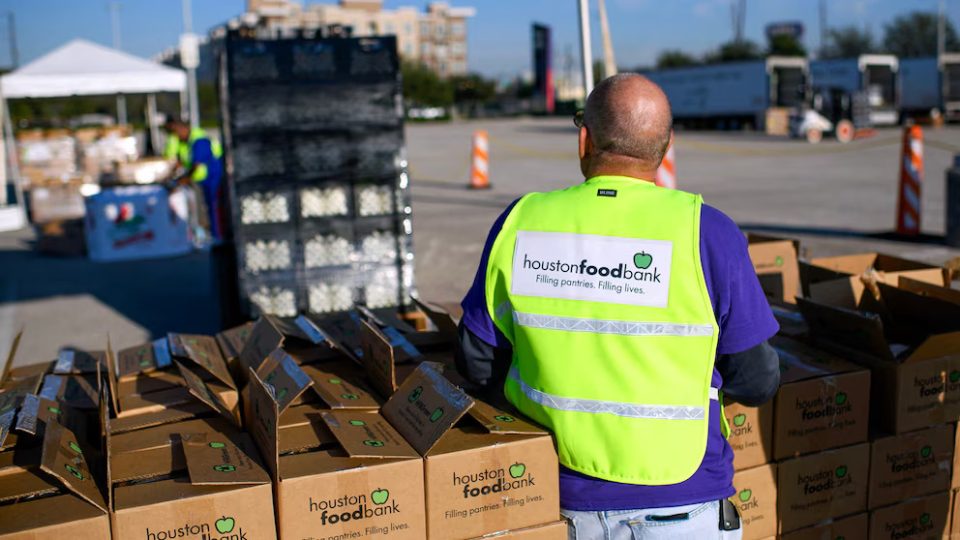
Despite the contingency funds and court mandates, the risk remains that not all SNAP participants will receive timely assistance. Food banks and community organizations are bracing for increased demand due to the disruptions. Experts point to the broader implications of interrupted food aid, especially with the importance of SNAP payments in maintaining stability for low-income families during economic uncertainty.
The partial funding of November’s SNAP benefits serves as a stark reminder of how political and legal battles around federal funding intimately affect millions of everyday Americans. It illustrates the delicate balance between fiscal policy, court mandates, and urgent social needs. With nearly one in eight Americans dependent on SNAP, a program designed to bridge gaps in food access, the coming weeks will be critical in determining how well the system can adapt to both operational challenges and ongoing political dynamics.
As one USDA official remarked in court, the variations in state readiness and the need for manual system overrides suggest caution in expecting a smooth rollout. This partial payment decision may help soften immediate food insecurity, but it also spotlights the precariousness of federal social safety nets amid political gridlock.
For nearly 42 million households, these payments are a vital support for nutrition and well-being. The current circumstances put a spotlight on how essential programs like SNAP are intertwined with broader economic and political issues, requiring careful attention and resolution to ensure continued support for America’s most vulnerable populations.
