
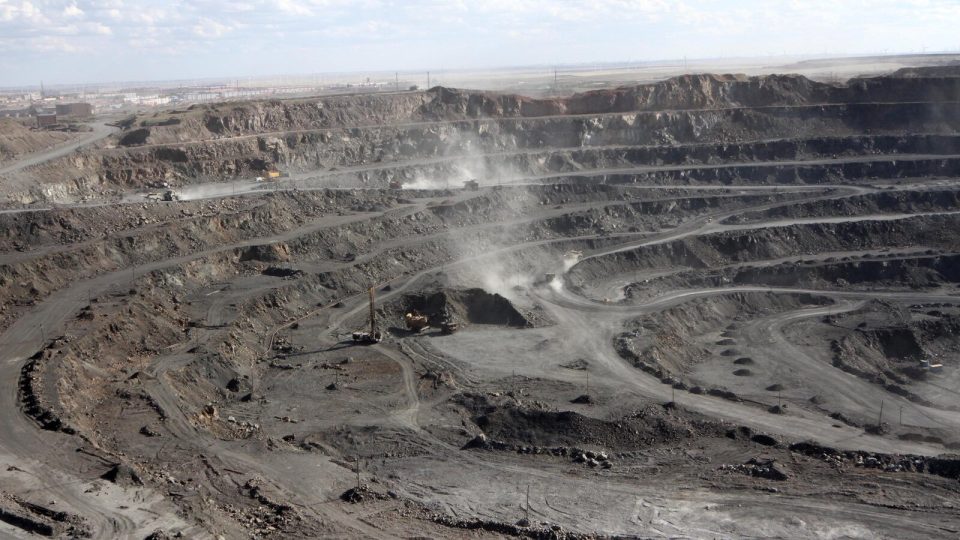
China has announced a significant pause in its export controls on rare earth elements and other critical minerals, a move closely tied to recent trade discussions with the U.S. The suspension, effective until November 10, 2026, includes a broad set of materials central to advanced manufacturing, defense, and green technologies. This decision temporarily halts sweeping restrictions first introduced earlier in 2025 and reflects an important, albeit cautious, shift in China’s approach to managing its dominant position in the critical minerals market.
The export controls at the center of this development relate mostly to rare earth elements such as scandium, yttrium, samarium, gadolinium, terbium, dysprosium, and lutetium. These materials are essential for producing high-performance magnets, electronics, electric vehicles, and a range of defense-related equipment. After months of escalating controls, introduced as part of a strategic effort to safeguard critical supplies amid intensifying U.S.-China trade tensions, China’s government has now agreed to suspend these export limitations for just over a year.
This temporary reprieve follows a November summit between Presidents Donald Trump and Xi Jinping, where both sides sought to de-escalate trade tensions that had mounted since early 2025. China’s Ministry of Commerce and customs authorities jointly announced the pause, underscoring the delicate balance Beijing is trying to maintain between protecting key industries and managing its relations with the U.S. market. The suspension applies not only to rare earths but also to materials like gallium, germanium, antimony, and graphite, which have seen export licenses expanded or tightened in recent months.
For industries reliant on these materials, the move signals short-term relief. China’s near-monopoly on the processing and supply of rare earths, accounting for over 80% of global processing capacity and roughly 60% of mining, has long been a source of concern for manufacturers and governments alike. The export controls, requiring licenses and adding scrutiny to overseas shipments, had introduced complexity and uncertainty, affecting supply chains dependent on these minerals.
However, it is important to recognize this suspension as a temporary pause rather than a full rollback. The controls are on hold for about one year, indicating China’s interest in preserving leverage and flexibility. China’s actions align with a strategic pattern seen before: using export controls as a tool to signal resolve and protect strategic interests while avoiding irreversible damage to global supply chains. The timing and nature of this move suggest China is willing to engage in trade truce dynamics but continues to weigh the benefits of export restrictions carefully.
For U.S. industries and their allies, the suspension opens a window to recalibrate supply sources and negotiate more stable trade conditions. However, the dependence on China remains a structural challenge. Efforts to diversify rare earth supplies and develop alternative processing capabilities are ongoing but have yet to reduce China’s central role in this sector significantly.
The critical minerals sector stands at the intersection of economics and geopolitics. Rare earths, with their unique properties, underpin technologies essential for defense, renewable energy, and digital infrastructure. As such, China’s export controls serve both an economic and strategic function, giving the country considerable influence in global markets. The suspension of these controls suggests an intent to avoid provoking a permanent shift in global sourcing patterns, while continuing to underscore China’s role as a key supplier for the foreseeable future.
Looking ahead, stakeholders in the critical minerals industry should approach the landscape with measured optimism. The pause signals possibilities for more predictable trade flows in the near term but also highlights the ongoing strategic competition underlying resource access. The situation remains fluid, with China reserving the right to reinstate controls or adjust policies depending on future diplomatic and economic developments.
Ultimately, the temporary suspension of export restrictions on rare earths and related materials offers a cautious step toward easing one front of trade tensions between the world’s two largest economies. How industry players adapt will shape supply chains and strategic resource access going forward.
