
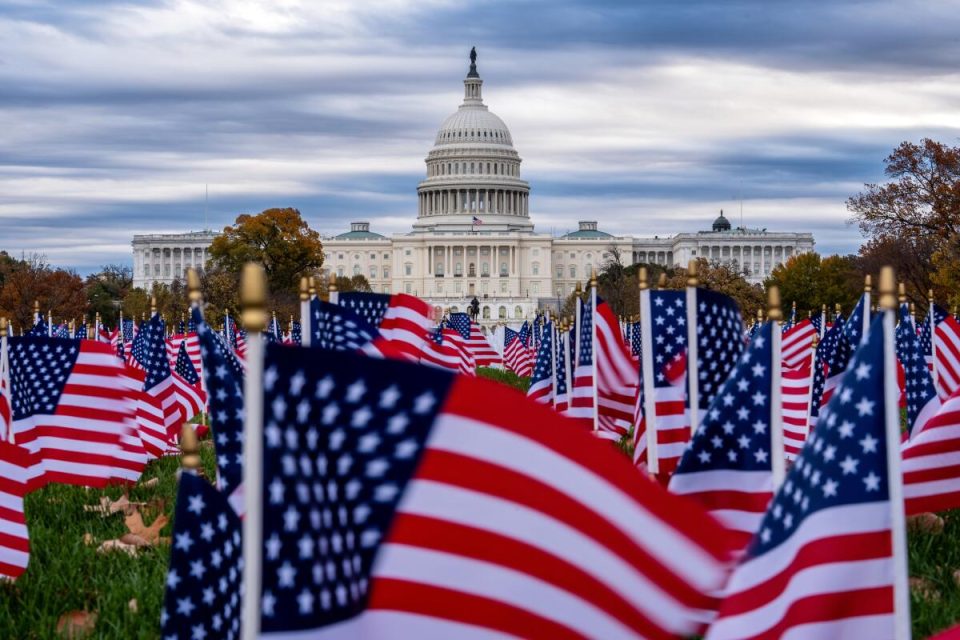
The longest government shutdown in U.S. history is nearing its conclusion after 43 days of halted federal operations and growing consequences for millions of Americans. Lawmakers in Washington are moving swiftly to vote on a deal that would restore funding through January 30th next year, and bring an end to the deadlock that began back on October 1st when Congress failed to pass a budget resolution before the fiscal year start. The shutdown has affected key sectors ranging from federal employee pay to food assistance programs and has slowed air travel across major airports in the country.
The political impasse stretched through weeks of failed Senate votes as Republicans and Democrats clashed over spending priorities and healthcare provisions. Republicans advocated a continuing resolution to maintain funding at current levels, whereas Democrats pushed for extending health subsidies under the Affordable Care Act and reversing cuts to Medicaid. These disagreements led to 14 unsuccessful attempts to pass short-term funding bills, leaving many federal workers furloughed, food programs under threat, and air travel disrupted.
By early November, the shutdown surpassed the previous 34-day record from 2018-2019, intensifying political pressure for a resolution. In a surprising breakthrough, a bipartisan Senate vote passed the funding deal 60-40, including support from eight Democrats who joined Senate Republicans in advancing the legislation. The deal guarantees back pay for furloughed federal workers and reverses some of the Trump administration’s shutdown-related firings. While the healthcare provisions Democrats sought were excluded, leadership promised a vote on those issues later in December.
The shutdown impacted many federal agencies including Commerce, Education, Energy, Health and Human Services, Housing, Homeland Security, and Treasury. Thousands of workers were laid off or furloughed, creating uncertainty and financial strain for families dependent on government paychecks. Food aid programs faced funding disruptions, risking cuts to nutrition benefits for vulnerable populations like women, infants, and children, as well as those relying on supplemental nutrition assistance through SNAP. The Federal Aviation Administration reduced flight capacity, causing widespread flight delays and cancellations at major airports during a critical travel period.
Optimism about the impending end of the shutdown sparked positive reactions in financial markets. Tech stocks, which had been volatile amid broader economic concerns and geopolitical tensions, saw a rebound as traders anticipated renewed government stability. Financial markets in general have rallied on expectations that the shutdown’s resolution will avert a deeper economic slowdown and restore confidence among investors wary of prolonged political deadlock.
Though the incoming funding bill clears a major hurdle, the resolution only extends funding through the end of January, leaving longer-term appropriation challenges for Congress ahead. The healthcare debate promises to remain a significant point of contention, with Democrats aiming to revisit ACA subsidies at the forthcoming vote. The U.S. government’s fiscal future continues to be shaped by complex political negotiations requiring careful balance between fiscal responsibility and meeting the needs of the American public.
The announcement of a deal to end the shutdown marks relief from ongoing disruptions to government services. Federal workers can expect stable pay, airports should see less congestion, and vulnerable populations reliant on food assistance will face fewer interruptions. Markets may continue to respond positively as uncertainty recedes.
The shutdown underscored the fragile nature of government funding mechanisms and the real-world toll political standoffs take beyond Capitol Hill. With a pragmatic solution now advancing, the focus will shift to rebuilding and stabilizing sectors affected over the past six weeks. This resolution offers a pause in the political turbulence, providing breathing room for future dialogue on healthcare and broader federal spending priorities without the immediate threat of shutdown.
The days ahead will test lawmakers’ ability to sustain momentum toward responsible budgeting. For now, the imminent reopening of the government offers a welcome end to an unprecedented period of disruption, restoring vital services and enabling federal agencies to resume their essential roles in supporting the nation’s economy and public welfare.
