
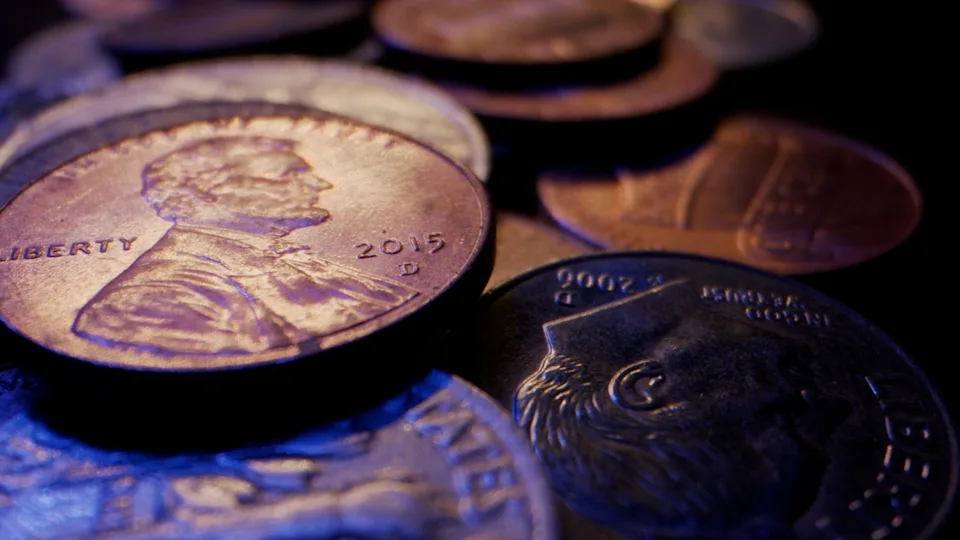
The penny, a coin with a 238-year history in the United States, officially had its last batch minted yesterday at the U.S. Mint in Philadelphia. The President had ordered the cessation of penny production earlier that year, citing the rising cost of minting the coin. That cost had grown to nearly 3.69 cents per penny, more than triple its face value, leading to an annual loss of tens of millions of dollars for taxpayers. While the penny will remain legal tender for now, its production for circulation has ended, marking the close of a long chapter in U.S. currency.
The penny once held practical value in everyday life, small purchases like penny candy or meter fees, but over time its usefulness has diminished significantly. Today, pennies mostly gather dust in jars and drawers, rarely used in transactions. This limited utility is a key reason behind the decision to stop producing the coin. Most vending machines and toll booths do not even accept pennies anymore, and in bulk cash transactions, their use is minimal. The cost of producing, transporting, and handling pennies had become unjustifiable considering how infrequently they circulated.
The end of the penny will prompt adjustments in how cash transactions are handled at retail and service points. Businesses and consumers will need to adapt to rounding cash payments to the nearest nickel. According to the National Retail Federation and the National Association of Convenience Stores, rounding will only occur once the existing supply of pennies in circulation is depleted, so it will not be immediate. This means that while cash prices technically remain the same, the final amount tendered in cash will round up or down by one or two cents in everyday purchases. Electronic transactions, such as credit or debit cards, will not be affected by this change, continuing to process exact amounts.
For retailers, this rounding system means updating cash registers and training staff to manage the new process smoothly. Consumers familiar with penny transactions will need to adjust as well, understanding that cents below five are rounded either down or up, depending on their value. This shift could have subtle effects on pricing strategies and consumer perception of value, though studies from countries like Canada, which phased out their penny in 2013, suggest disruptions will be minor.
While this large-scale change is underway, questions naturally arise about the future of other coins, particularly the nickel. Like the penny, the nickel costs more to produce than its face value, about 13.78 cents per coin in recent years, and generates a loss to the Treasury. Its worth has similarly decreased due to inflation over the decades. Although no official decision has been made to end nickel production, the conversation is ongoing, and the penny’s removal raises the possibility of other low-value coins facing a similar fate.
Congress holds the authority to officially eliminate coins from circulation, and legislation has been proposed to formalize the end of the penny, such as the Common Cents Act introduced in 2025. This legislation also addresses rounding rules for cash transactions, ensuring a clear policy for merchants and consumers alike. Until such laws pass, the penny remains legal tender, even if production has stopped. The Treasury also continues minting pennies for collectors and numismatic purposes.
The penny’s retirement symbolizes a recognition of changing economic realities within the U.S. currency system. Its production cost, reduced utility, and the logistical burden it created prompted the government to act. The transition to rounding cash transactions will be gradual, allowing the market and public to adapt without undue disruption. Although small change might soon look different, the overall goal remains to maintain efficiency and practicality in everyday commerce.
The change will be more about adjustment than upheaval. Prices themselves will not be increased due to rounding, and electronic payments remain unaffected. The penny will continue to hold sentimental and historical value but less so monetary importance in daily transactions moving forward. The coming months and years will show how the U.S. navigates this coinless future, and whether other coins will share the penny’s fate remains to be seen.
