
Starting in 2026, employees will have the option to defer $24,500 into their workplace retirement plans, an increase from $23,500 in 2025. This change comes from the Internal Revenue Service’s recent announcement adjusting the annual contribution limits for 401(k) plans, a move that is likely to draw considerable attention among savers, employers, and financial planners alike.
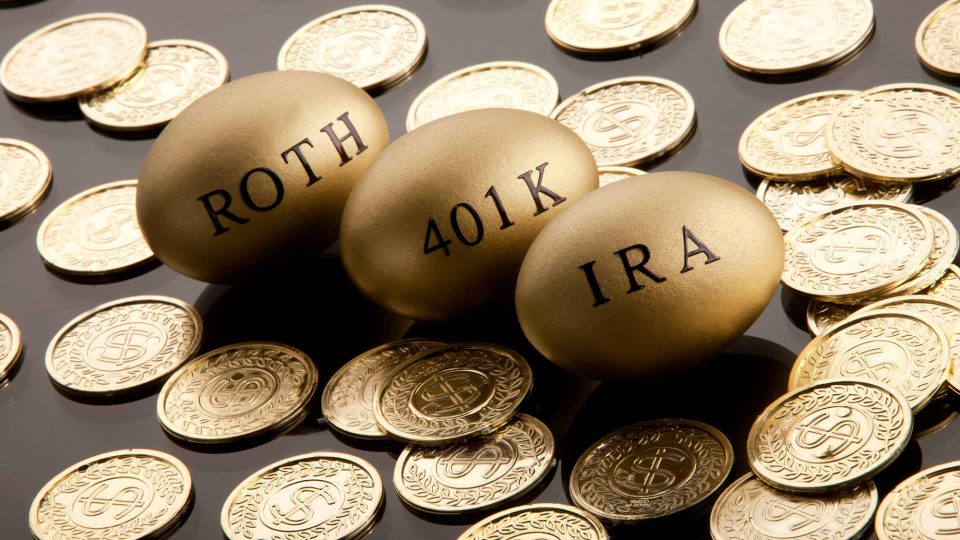
A 401(k) plan is essentially a retirement savings account sponsored by an employer that lets employees contribute part of their paycheck to save for retirement. The pre-tax nature of traditional 401(k) contributions helps lower taxable income now, while the money grows tax-deferred until withdrawal. Some plans also offer Roth options, where contributions are made with after-tax dollars, but withdrawals in retirement are tax-free. Typically, employees can choose from various investment options within the plan, such as mutual funds, and employers sometimes match a portion of their contributions.
The boost in contribution limits for 2026 follows a pattern of the IRS periodically raising these ceilings in response to inflation and economic factors. While the $1,000 increase might appear modest, it expands the opportunity for many to put away more money toward retirement in a tax-advantaged way. In particular, savers aged 50 and older benefit from catch-up contributions, as the IRS also raised these limits for 2026, including a special higher catch-up limit for those between 60 and 63 years of age, a provision introduced by the SECURE 2.0 Act to encourage greater retirement savings among older workers.
Reviewing recent data on savings behaviors adds an interesting dimension to this change. According to Vanguard’s 2025 How America Saves report, only 14% of 401(k) participants maxed out their contribution limits in 2024. This relatively low percentage points to the reality that while higher contribution limits are important, other factors, such as income levels, financial literacy, and competing expenses, play significant roles in how much individuals actually save for retirement.
From a market perspective, increased 401(k) limits could lead to more money flowing into capital markets through these tax-advantaged accounts, potentially supporting investment vehicles like stocks and bonds. However, the actual impact depends on how many workers decide to take advantage of the higher limits. Over time, incremental increases in these caps typically encourage gradual increases in savings rates, contributing positively to retirement readiness across the population.
It is also valuable to consider the relationship between 401(k) plans and Individual Retirement Accounts (IRAs). While contribution limits on IRAs have remained unchanged for 2026, many savers use both types of accounts to maximize their tax-advantaged savings. The interplay between these retirement vehicles can influence overall financial planning strategies, especially for high earners and those actively managing their portfolios.
Increased 401(k) contribution limits in 2026 represent a meaningful step in the ongoing effort to help Americans better prepare for retirement. While only a minority currently contribute the maximum amounts allowed, these adjustments provide more room for those who can increase their savings, especially late-career workers benefiting from enhanced catch-up provisions. Navigating these changes thoughtfully can empower more Americans to build stronger retirement financial security.
