
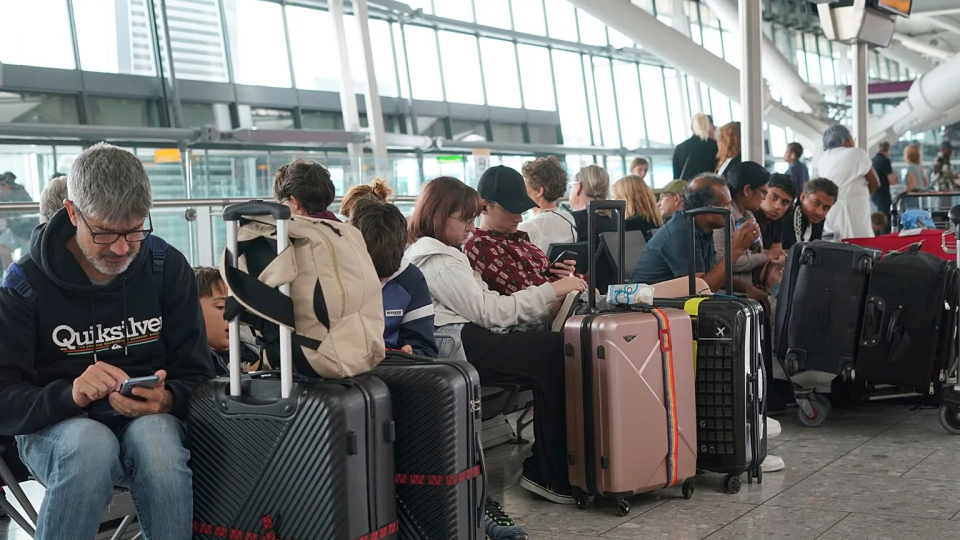
Late in 2024 under the Biden administration, the U.S. Department of Transportation (DOT) proposed a rule that would require airlines to pay passengers cash compensation for significant domestic flight delays caused by factors within the airline’s control. The plan set specific amounts between $200 and $300 for delays of at least three hours and up to $775 for longer interruptions, aligning in some ways with Europe’s well-known EU261 rule. The intention was to provide passengers increased protections and financial redress for disruptions like staffing shortages or maintenance problems, while excluding situations beyond an airline’s control such as weather or air traffic delays.
However, in a turn of events, the Trump administration formally withdrew this proposed rule citing concerns about “unnecessary regulatory burdens” on airlines and ultimately rejecting the compensation mandate. This move marks a retreat from the Biden administration’s consumer protection efforts and underscores the shifting regulatory landscape in U.S. aviation. Passengers will still retain their rights to refunds if flights are canceled and travel is declined, but no law will require compensation for delays. This leaves the U.S. with a notably less comprehensive passenger rights framework compared to some international jurisdictions.
Consumer advocates have expressed disappointment, arguing the withdrawal leaves travelers without sufficient recourse during disruptive delays that can cause major inconvenience and financial loss. They point out that reliable compensation for delay is standard in many regions and say that airlines should be more accountable. Conversely, the airline industry has supported the rollback, describing the rule as costly and likely to increase fares for consumers. Industry representatives argue that competition rather than regulation should guide airline policies and that the existing system, which mandates refunds for cancellations, strikes the right balance.
Looking broadly, U.S. regulation contrasts sharply with protections found abroad. The European Union’s EU261 requires airlines to pay up to €600 (approximately $640) for long delays, cancellations, or denied boarding, a policy long regarded as the benchmark for passenger rights. Canada has also implemented regulations requiring compensation for large delays, offering CAD$400 for delays over three hours. These standards create clear obligations and financial remedies for travelers. In the U.S., by contrast, there is no comparable federal mandate, and compensation for delays commonly depends on airline goodwill or competition.
The current U.S. legal framework does ensure that passengers receive refunds if their flights are canceled and they choose not to travel, and compensation is available up to certain limits for lost or damaged baggage. Yet, delay protections remain voluntary and uneven. Airlines may offer vouchers or meal reimbursements as a courtesy but are not legally bound to do so. The DOT maintains an Airline Customer Service Dashboard which discloses airline policies on delays and cancellations, encouraging passengers to research in advance.
The removal of this proposed rule not only affects immediate passenger rights but signals a broader regulatory philosophy emphasizing deregulation and competition over federally mandated protections. The decision echoes other recent moves to reduce regulatory requirements on the airline industry, aligning with a viewpoint that less intervention promotes market efficiency. For consumers, this means navigating a patchwork of airline policies without a guaranteed financial safety net for delays.
As policies continue to evolve, this episode serves as a reminder that airline passenger protections depend heavily on the prevailing political and regulatory climate. The question remains open as to whether future administrations will revisit and potentially revive more robust delay compensation regulations. For now, the practical takeaway is clear: U.S. passengers do not have a guaranteed right to cash compensation for significant flight delays, and must rely on airline policies and competition to secure any form of financial redress.
