
[stock_market_widget type=”card” template=”basic2″ assets=”TSLA” realtime=”true” api=”yahoo-finance”]
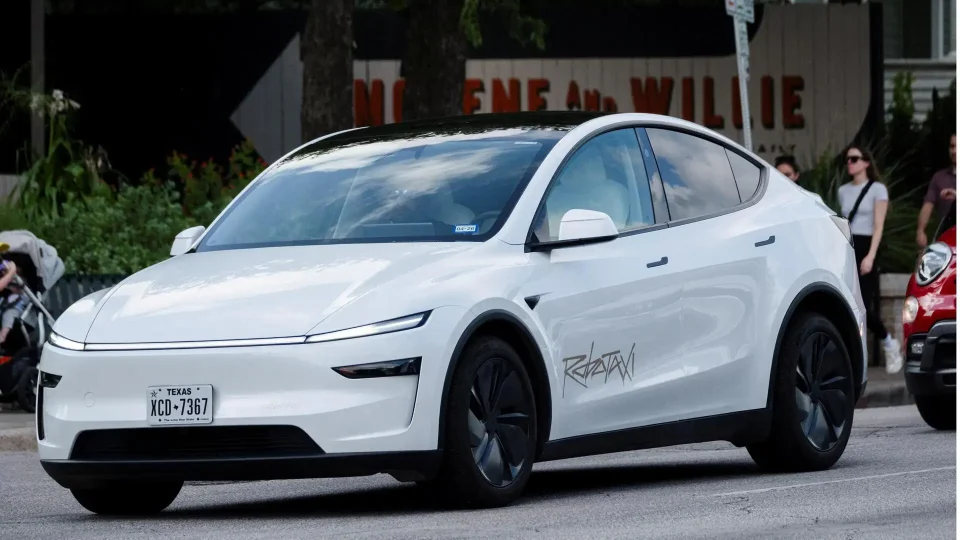
Tesla’s foray into autonomous ride-hailing is taking another step forward with a recent permit approval from the Arizona Department of Transportation. This new “transportation network company” permit authorizes Tesla to operate its Robotaxi service as a commercial ride-hailing platform in Arizona. This development adds to Tesla’s ongoing pilot program in Austin, Texas, where the company has been testing ride-hailing using vehicles equipped with its Full Self-Driving (FSD) technology since June 2025. However, human safety drivers remain onboard for now as regulators and Tesla itself continue cautious oversight of the technology.
The significance of the transportation network company (TNC) permit lies in its regulatory approval enabling Tesla to legally charge fares for rides under its autonomous ride-hailing system. It represents a commercial authorization layered on top of the existing testing permits Tesla had for autonomous vehicle trials in Arizona. Importantly, current regulations and Tesla’s operational practice still require a human supervisor inside the vehicle, either as a safety monitor in the passenger seat or a driver behind the wheel, to oversee and intervene if needed. The permit, therefore, does not yet signify fully unsupervised or driverless operation but marks a key step toward scaling the Robotaxi concept to new markets.
Tesla’s Robotaxi initiative itself is a critical avenue for the company’s broader strategy, which aims to leverage its data-rich fleet and self-driving capabilities to transform urban transportation. Since launching its invite-only pilot in Austin in mid-2025, Tesla has deployed a limited fleet primarily composed of Model 3 and Model Y vehicles that use FSD Beta software to navigate city streets while safety drivers remain actively monitoring the rides. Early experiences shared by riders show a mix of promising autonomous functions alongside notable hiccups such as occasional wrong turns, phantom braking, or unexpected stops. These issues illustrate the nascent stage of the technology and the challenges that come with moving from controlled pilot tests to wider deployment.
In comparison to rivals in the autonomous ride-hailing market, Tesla’s Robotaxi effort trails behind companies like Alphabet’s Waymo and Baidu’s Apollo Go, which have advanced their driverless services further in select cities and enjoy regulatory approvals for unsupervised operations in some instances. Tesla’s cautious approach with safety drivers still onboard reflects the regulatory environment and the technical demands of full autonomy. Elon Musk has expressed ambitious goals for Robotaxi, including removing safety drivers and scaling coverage to reach half of the U.S. population by the end of 2025. While the technology and approvals have progressed, fully driverless commercial taxi service remains just out of reach as of late 2025.
An interesting component of Tesla’s vision involves the eventual launch of purpose-built robotaxi vehicles like its upcoming Cybercab and Robovan, designed from the ground up without steering wheels or pedals. These specialized vehicles are intended to offer lower cost per mile rides compared to traditional ride-hailing options, potentially disrupting the urban mobility market if and when they achieve widespread adoption. Until then, Tesla continues to refine its fleet of autonomous-capable electric vehicles, gathering data from pilot programs to inform future improvements.
The Arizona permit is also part of Tesla’s wider plan to expand Robotaxi services into multiple U.S. cities. Elon Musk’s roadmap suggests rolling out the service to 8 to 10 additional metropolitan areas by the end of 2025, relying on these permits to move from test programs toward commercially available ride-hailing. This expansion strategy involves gaining necessary regulatory clearances, adjusting operational protocols to meet local safety rules, and accumulating performance data to build trust among regulators and the public.
In essence, Tesla’s journey with Robotaxi reflects both the promise and complexity of autonomous ride-hailing technology at this stage. Regulatory hurdles remain fundamental in shaping how quickly companies can transition from supervised testing to fully driverless services that operate at scale. Tesla’s recent Arizona TNC permit highlights incremental but important progress, allowing the company to commercially operate with the current safety driver model while setting the stage for future evolution.
As Tesla experiments with new operating models and navigates public and regulatory scrutiny, the broader driverless taxi industry continues to mature. While Tesla faces scrutiny and the reality of technical constraints, its innovations and scaling efforts keep the conversation alive about what urban mobility might look like in a largely autonomous future.
