
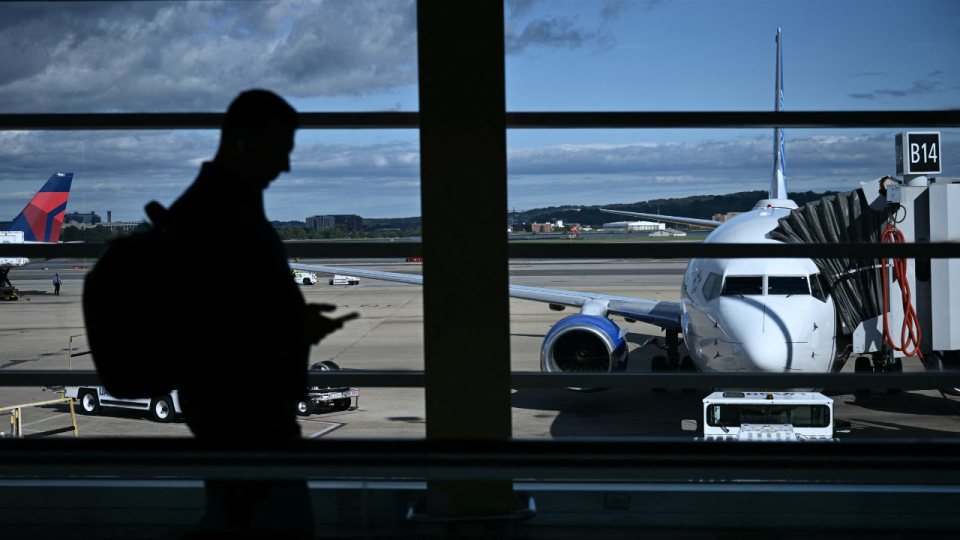
Last month’s longest government shutdown had a big effect on air travel. Air traffic controllers, the essential workers who keep our skies safe, were on the job but went unpaid. As you can imagine, that created a ripple effect of problems. Many controllers called in sick or simply couldn’t keep up with such conditions. That forced the FAA to tell airlines to cut back flights at about 40 major airports just to keep things manageable. Eventually, after some weeks, those restrictions eased, but the disruption left a clear mark on the system.
This painful episode sparked something not often seen in Washington these days: lawmakers from both parties coming together to fix the problem for good. They introduced a bill aimed at making sure air traffic controllers and related FAA employees get paid even if the government shuts down again.
The solution they’re proposing is pretty smart. Instead of waiting for Congress to pass the next budget, this bill wants to use money from the Aviation Insurance Revolving Fund. This fund, which airlines helped create, has billions set aside originally to cover rare emergencies like the government taking over planes for military use. The idea here is to tap that fund to pay the controllers during shutdowns, so flight safety isn’t compromised. Of course, there are limits. The bill says they’d stop using the fund if it drops below $1 billion, which experts say can support operations for about six weeks without new funding.
One of the key voices behind this bill is Republican Representative Sam Graves. He pointed out that air traffic controllers have one of the highest-pressure jobs out there. “They deserve to get paid no matter what’s going on with the government budget,” he said. His Democratic colleagues agree, stressing that keeping the skies safe is a responsibility beyond politics.
This bill isn’t starting from scratch, similar ideas have popped up since the last shutdown in 2019 but never quite made it through Congress. Some lawmakers worry about the cost and where the money will come from. Some alternatives suggest using the Airport and Airway Trust Fund, funded largely by airline fees, but that would cost more according to the Congressional Budget Office. So this revolving fund seems like a pragmatic middle ground, at least for now.
Whether this bill becomes law soon is still an open question. Congress has plenty to juggle, and the next funding deadline isn’t until the end of January 2026. But with a Senate subcommittee planning to review the shutdown’s impact on aviation, it’s clear the pressure is building to get something done.
Ultimately, this bill is a sign that when government shutdowns threaten critical services, lawmakers can find common ground. It aims to protect the people who keep air travel safe, and by extension, travelers themselves. Air travel touches millions every day. Making sure the system stays steady no matter what happens in Washington is a goal most everyone can get behind.
