
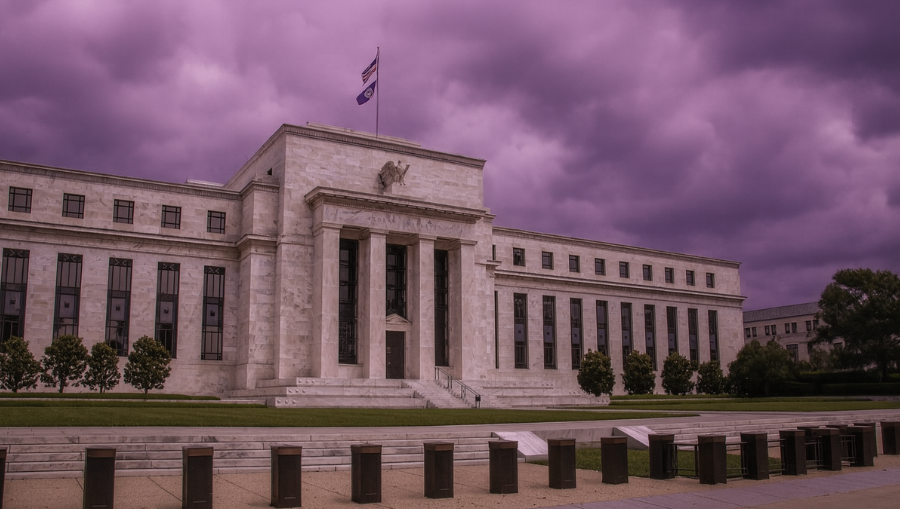
The Federal Reserve recently issued new principles for bank supervision, marking a shift in focus from broad regulatory scrutiny to targeted oversight of material financial risks. These guidelines aim to streamline examination processes, reduce compliance burdens for banks, and emphasize quicker resolution of significant supervisory issues. The changes have been welcomed by banking industry groups who see them as a move toward a more pragmatic and focused regulatory environment. However, some former regulators have voiced strong concerns, warning that the shift risks undermining the effectiveness of oversight and potentially jeopardizing financial system stability.
The reforms include a refined approach to how examiners evaluate banks, prioritizing risks that could materially impact capital, asset quality, earnings, or liquidity. Examiners are instructed to issue Matters Requiring Attention (MRAs) only when weaknesses could cause real financial harm, and there is a presumption against horizontal reviews, which are broad, across-the-board assessments. The Federal Reserve is adopting a more tailored approach that takes into account a bank’s size, complexity, and risk profile. This means that practices considered unsafe or unsound need to have a clear financial impact to trigger regulatory action.
From an industry perspective, these changes are welcomed as a step away from previous “check-the-box” style examinations that often focused on procedural issues rather than substantive risks. Banks argue that the new guidelines will foster a more growth-friendly environment, allowing them to focus resources on managing actual risks and expanding their businesses without the heavy burden of overly cautious supervision. Senior Fed officials, such as Vice Chair for Supervision Michelle Bowman, have framed the shift as a necessary correction, ensuring supervision is aligned with the true safety and soundness of institutions.
Yet former regulators offer a cautionary counterpoint. They argue that the relaxation of supervisory standards may lead to important internal governance and operational issues being overlooked. Their criticism highlights concerns about whether the new focus on “material harm” might delay the identification and remediation of emerging risks. For them, early supervisory intervention, often triggered by process flaws or non-financial risks, has helped prevent issues from escalating into crises. The worry is that a narrower supervisory lens could increase the chances of vulnerabilities going undetected until they become more severe, posing broader risks to the financial system and taxpayer-backed insurance funds.
The broader implications for the U.S. financial system are significant. On one hand, the Federal Reserve’s updated guidelines reflect a regulatory recalibration aimed at efficiency and reducing unnecessary friction on banks that are well capitalized and resilient. They signal a return to supervision that balances protecting consumers and the economy with allowing banks to take reasonable risks supporting economic growth.
On the other hand, the debate underscores the tension between easing regulatory burdens and maintaining vigilance to prevent systemic risk. Former regulators’ critiques serve as a reminder that supervisory rigor plays an essential role in confidence-building and crisis prevention. The changes come amid ongoing discussions about reforming the traditional CAMELS (Capital adequacy, Asset quality, Management capability, Earnings, Liquidity, and Sensitivity) rating system to better reflect contemporary banking risks, indicating that this evolution in supervision is part of a broader, contentious regulatory landscape.
The Federal Reserve’s move presents a pivotal moment for bank oversight with potential lasting effects on financial stability, market discipline, and the relationship between regulators and banks. Achieving the right balance between flexibility for institutions and robust risk management will require careful ongoing monitoring and possibly future adjustments. For now, the new guidelines are firmly a step in a changed regulatory direction, embraced by industry but closely watched by those wary of what it could mean for the financial system’s resilience.
