
[stock_market_widget type=”card” template=”basic2″ assets=”INTC” realtime=”true” api=”yahoo-finance”]
The Trump administration has quietly expanded its portfolio of ownership stakes in private companies considered central to national security and economic resilience, marking a new phase in government involvement in key industries. Over $10 billion in taxpayer funds have been directed to acquire minority interests in at least nine firms primarily operating in technology, rare earths, mining, and steel sectors.
Among the largest and most noteworthy acquisitions is a 10% stake in Intel Corporation (NASDAQ: INTC). This investment follows a transformation of previously allocated CHIPS Act funds into direct equity. The move aims to stabilize and preserve Intel’s foundry division, which had been struggling financially. The deal includes a warrant for an additional 5% stake if Intel’s foundry ownership dips below a certain threshold, signaling a long-term intent to influence the U.S. semiconductor supply chain.
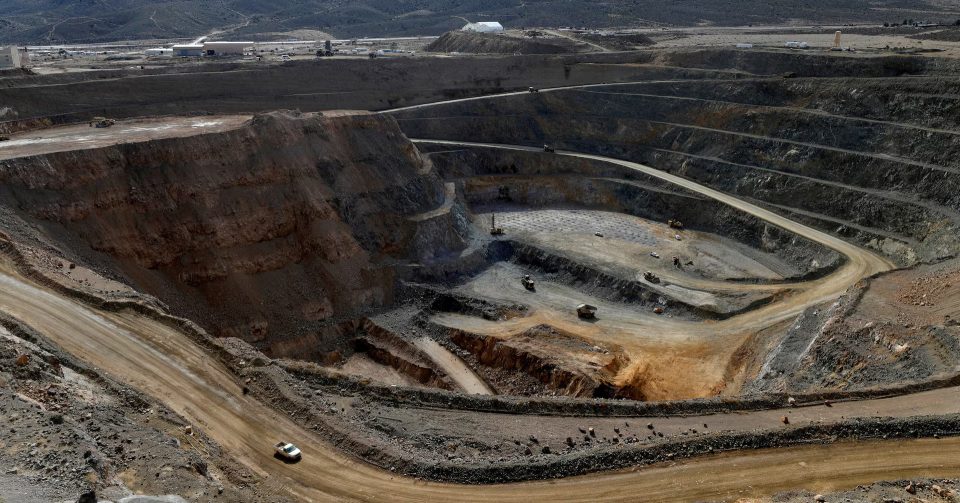
Another significant stake, amounting to approximately 15%, was acquired in MP Materials Corporation (NYSE: MP), the only fully integrated rare earth mining and processing facility operating on U.S. soil. This investment is part of a Department of Defense-led effort to counter China’s dominance in the rare earth market, which is critical for manufacturing everything from smartphones to advanced military equipment. The arrangement with MP Materials reflects a public-private partnership model and highlights concerns about supply chain security.
The administration also secured a 10% share in Lithium Americas Corp. (NYSE: LAC), a company poised to develop one of the largest lithium mines in the Western Hemisphere at Thacker Pass, Nevada. With electric vehicle production reliant on domestic lithium supplies for battery manufacturing, this stake supports the broader goal of reducing dependence on foreign sources and enhancing U.S. energy infrastructure.
In the mining sector, Trilogy Metals Inc. (NYSE: TMQ) became part of the government’s portfolio through a 10% acquisition tied to a $35.6 million investment aimed at accelerating mineral exploration in Alaska’s Ambler Mining District. This region hosts significant copper and zinc deposits, vital for various industrial applications including renewable energy technologies.
Beyond these, the Trump administration maintains a “golden share” in U.S. Steel Corporation, reflecting interest in securing domestic steel production capacity amid ongoing global supply chain concerns. Collectively, these stakes underline a strategic choice to leverage public funds not just for economic stimulus, but to ensure control and access to materials and technologies deemed essential for national interests.
The rationale behind these acquisitions is largely grounded in safeguarding critical supply chains from geopolitical vulnerabilities, particularly those linked to China. By taking ownership interests in these firms, the government seeks to influence operational decisions and secure a domestic foothold in areas crucial to defense, technology, and clean energy initiatives. These moves break from traditional government roles as regulators or contractors, entering a more active position as an investor and stakeholder.
This approach carries implications beyond market economics. The administration’s involvement may stabilize companies facing financial challenges or provide leverage in reshaping industry practices in alignment with national security priorities. It also represents an unconventional use of taxpayer funding, blending industrial policy with financial strategy.
The stakes acquired by the Trump administration reflect a growing trend of government intervention in private industry aimed at long-term resilience rather than short-term profit. While still relatively rare in peacetime, these investments signal a shift towards government accountability in securing critical infrastructure and resources.
This investment strategy is poised to have lasting effects on the U.S. industrial landscape, influencing competitive dynamics and potentially setting precedents for future administrations. The Trump administration’s willingness to buy into private firms underlines the evolving nature of economic and security policy in an increasingly complex global environment.
